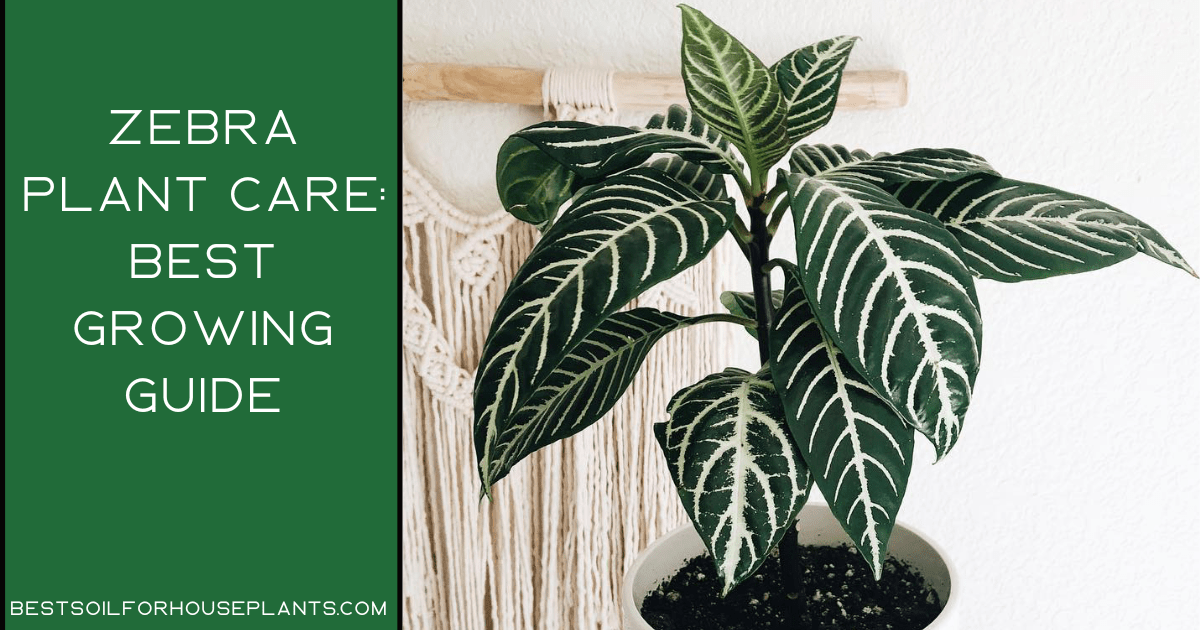
Aphelandra squarrosa rightfully belongs to the most beautiful ornamental flowering plants. The flowering period begins with this plant at a time when most of all flowers are preparing for a dormant period. Despite the decorativeness of the inflorescences, the plant looks no less impressive without them, since the leaves of the aphelandra are very attractive. So let’s speak about zebra plant care and discover everything you need to know about growing this stunning houseplant successfully.
However, caring for this exotic handsome zebra plant is quite difficult, because it is difficult and not always possible to recreate a tropical climate in an apartment. What conditions do zebra plant need for growth and lush flowering? This comprehensive zebra plant care guide will answer all your questions.
Zebra Plant Origin and Natural Habitat
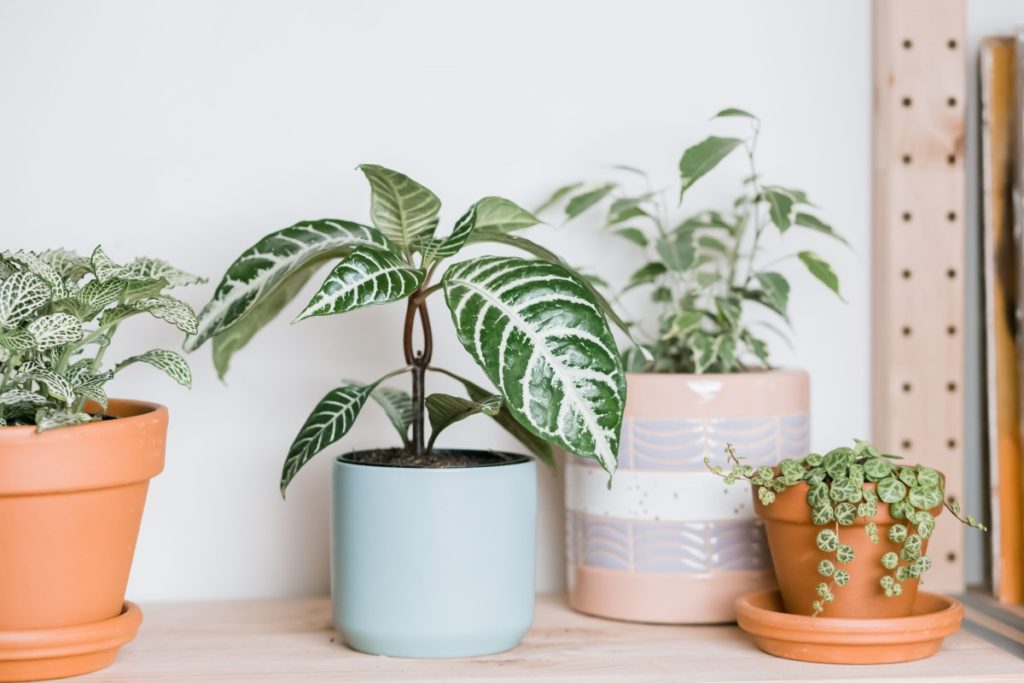
Aphelandra squarrosa is native to the tropical forests of South, Central, and North America. All representatives of the acanthus family, to which the zebra plant belongs, are evergreen shrubs and semi-shrubs. In particular, zebra plants are a shrub up to half a meter high with beautiful corrugated leaves that are arranged oppositely on the stems.
Understanding the natural environment of zebra plants helps explain their care requirements. These tropical houseplants thrive in warm, humid conditions similar to their rainforest origins.
Zebra Plant Appearance and Identifying Features
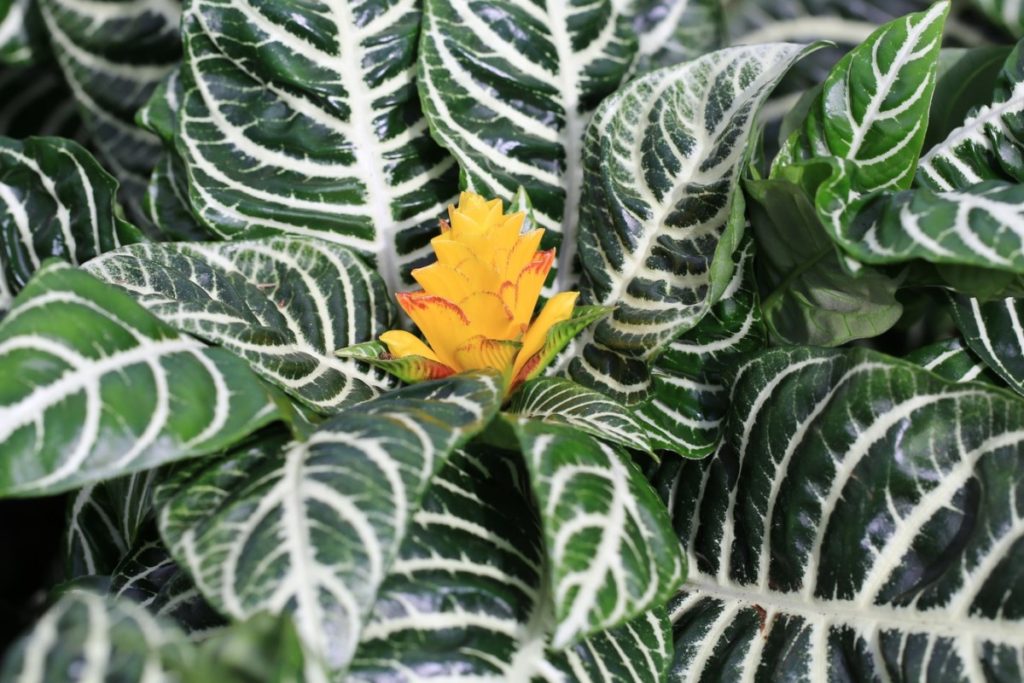
The color of the leaf plates is variegated due to the presence of silver veins on dark green leaves. Zebra plants are collected in tetrahedral inflorescences from 12 to 15 cm long. The palette of inflorescences is yellow-orange. Zebra plant bloom up to six weeks, sometimes even for 3 months.
Then it is necessary to cut off dry inflorescences so that fruits with seeds do not form. Once every three years, the zebra plant needs to be rejuvenated by rooting stem cuttings. This need arises because as it grows, the aphelandra squarrosa sheds its leaves and loses its decorative effect.
Complete Zebra Plant Care Guide for Indoor Growing
In indoor floriculture, the following varieties are popular:
- Aphelandra protruding;
- Aphelandra squarrosa golden;
- Aphelandra four-sided.
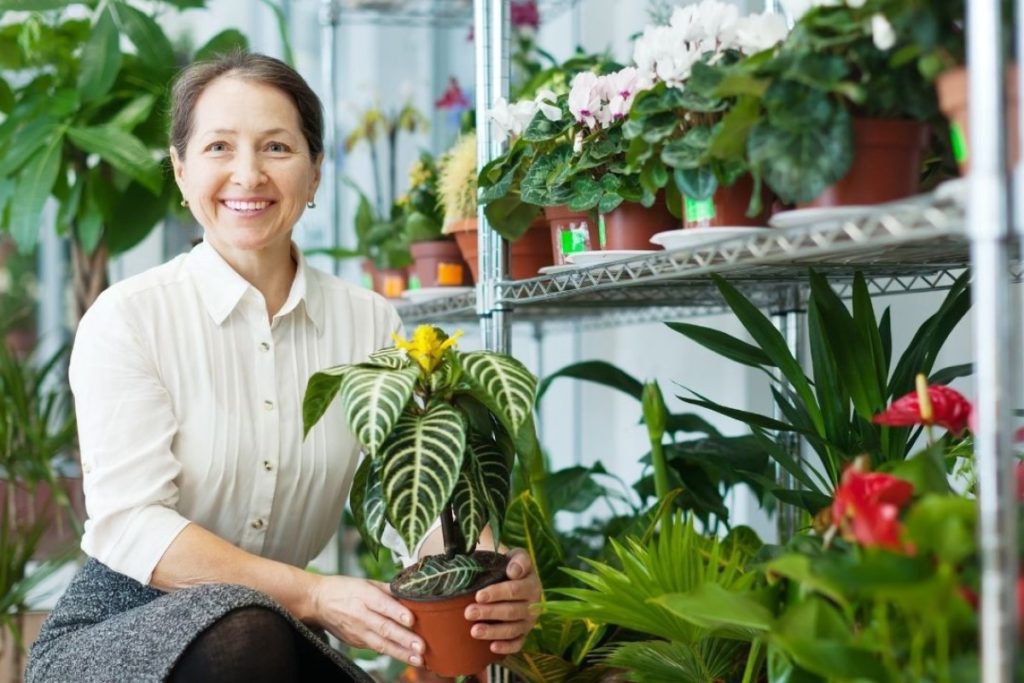
As a rule, aphelandra is used for decorative purposes to decorate the winter garden and exhibition spaces. The flower looks attractive both on its own and in a group with other indoor plants. As noted above, aphelandra squarrosa needs a tropical climate, which, alas, is not typical for city apartments.
Important conditions for the successful cultivation of a flower are high air temperature, a sufficient amount of moisture, and the complete absence of drafts. This zebra plant care guide covers all essential growing requirements.
If you are fond of floriculture, you will also be interested in learning how to care for plants:
Proper Watering Schedule for Zebra Plants
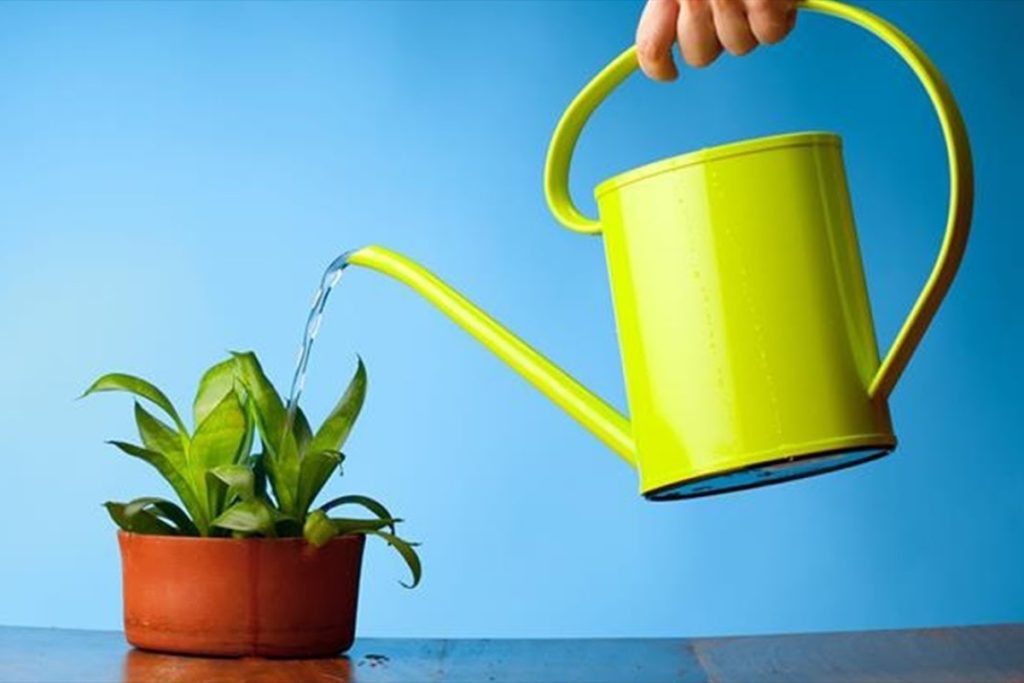
Comfortable watering frequency for zebra plant care:
- In summer, the earthen ball must constantly remain wet;
- In late summer, autumn, and winter, the earthen ball should dry out a little between waterings.
Overdrying or soil moist a lot of time leads to rapid wilting, root rot, or death of the leaves. Proper watering is essential for healthy zebra plant growth.
Best Light Requirements: Direct Sunlight vs Indirect Light for Zebra Plants
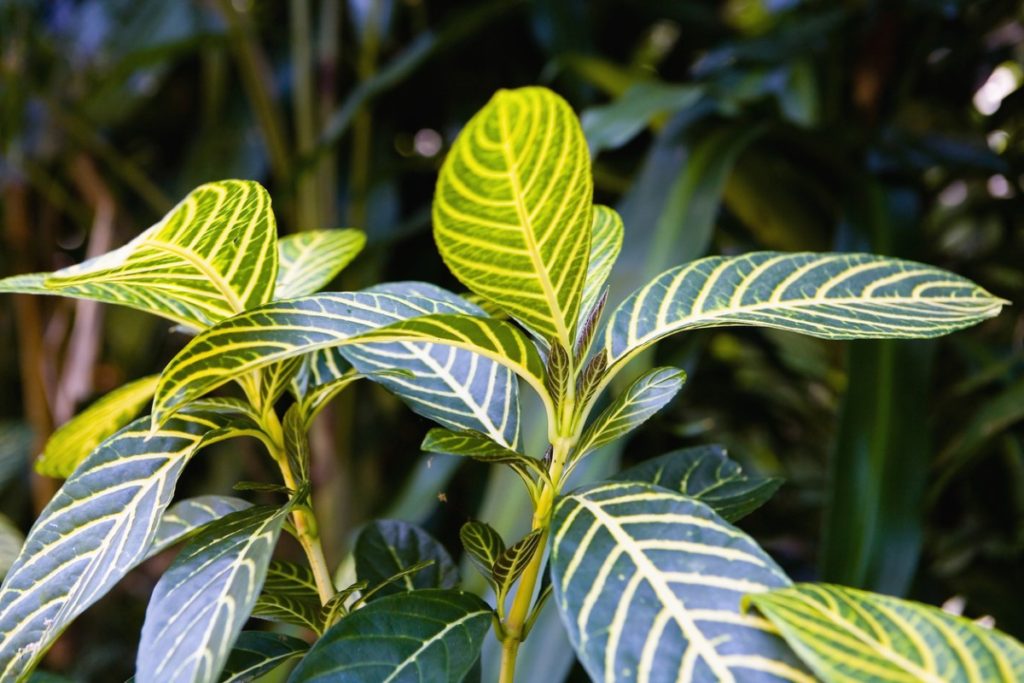
Aphelandra squarrosa feels best in bright indirect light. It can be a window where there is sufficient natural light, but in hot summer, direct sun should be avoided. If it is not possible to put the tropical plant in another place without hot bright light, adjust the positioning.
The best solution for this period for the zebra plant is indirect light, with windows east and west, where the bright light is soft. On the southern windows in late summer, from 11 to 17, it is necessary to shade to create indirect light. In hot weather, the flower feels good in the fresh air of the natural environment.
The main thing is not only the indirect light but also you need to protect the zebra plants from drafts. Proper lighting is crucial for zebra plant care and vibrant leaf coloration.
Ideal Temperature Range for Zebra Plant Care
A comfortable temperature for the zebra plant:
- Daytime – not higher than +27°C;
- Night – not lower than +18°C.
The overwhelming majority of varieties of zebra can withstand temperatures of +13°C throughout the week. The room should be regularly ventilated, but cold drafts and direct light at the same time should be avoided.
While the temperature should not fall below +18°C so that the zebra plant does not experience sudden temperature changes. For a protruding aphelandra squarrosa for several months, the temperature should be maintained no higher than +10°C. At this temperature zebra plants thrive and remain healthy.
Maintaining Proper Humidity Levels for Zebra Plants
The humidity of city apartments is not sufficient for growing aphelandra squarrosa, therefore, methods should be used to keep soil consistently moist throughout the year:
- Spraying. Held only in the summer in sunny weather. Otherwise, high moist soil can lead to the death of colorful flowers.
- Household humidifiers. Used in winter to maintain proper humidity for zebra plant care.
- Water containers. Their use is also possible in winter. They provide a long-lasting effect for house plants.
Fertilizer and Feeding Requirements for Zebra Plants
The zebra plant needs a lot of mineral and organic fertilizers. They should be applied once every few weeks on the soil line during watering. By observing the zebra plant, you can adjust the amount and composition of the applied top dressing.
If the leaves become yellowish and small, this indicates a lack of nitrogen. In the absence of buds, the amount of nitrogen should be reduced.
If the inflorescences are small and lose their brightness, this may indicate an insufficient amount of phosphorus. With a lack of potassium, the leaves may fall off, and yellow or brown spots appear on them. Proper fertilization is essential for optimal zebra plant care.
Best Soil Mix for Zebra Plant Growing
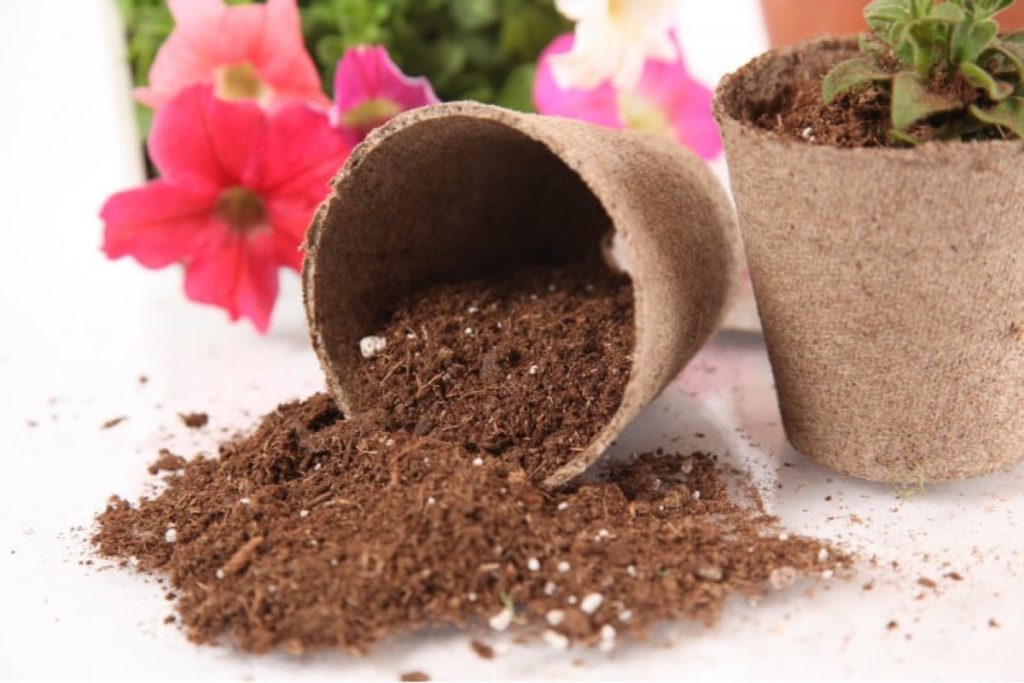
The acidity of the soil should vary from 5.5 to 6.5 pH. In the case of the zebra plant, it is the right choice of earthen mixture that largely guarantees the success of zebra plant growth. It should be loose, fibrous, and well-draining soil.
If the soil is too acidic, the foliage plant will turn yellow, and the inflorescences will become small. With an alkaline soil reaction, the plant stops growing.
For the zebra plant, you can choose one of the proposed earth mixture recipes:
- Leaf land – 4 parts, one part of sand and peat;
- Brown peat – 3 parts, one part each of moss, sand, and leafy soil, 10% crushed coal, and a few tablespoons of superphosphate;
- Leafy earth – 4 parts, humus – 2 parts, one part of moss and vermiculite, 10% coal, and a few tablespoons of bone meal;
- Leaf land – 8 parts, sod land – 5 parts, two parts of peat, charcoal, and coniferous earth, one part of vermiculite;
- Sod land – 3 parts, one part of coniferous land, peat, vermiculite, moss, and humus.
Regardless of which earth mixture is chosen for your tropical houseplants, it must be sterilized before use. Quality soil is fundamental to successful zebra plant care.