
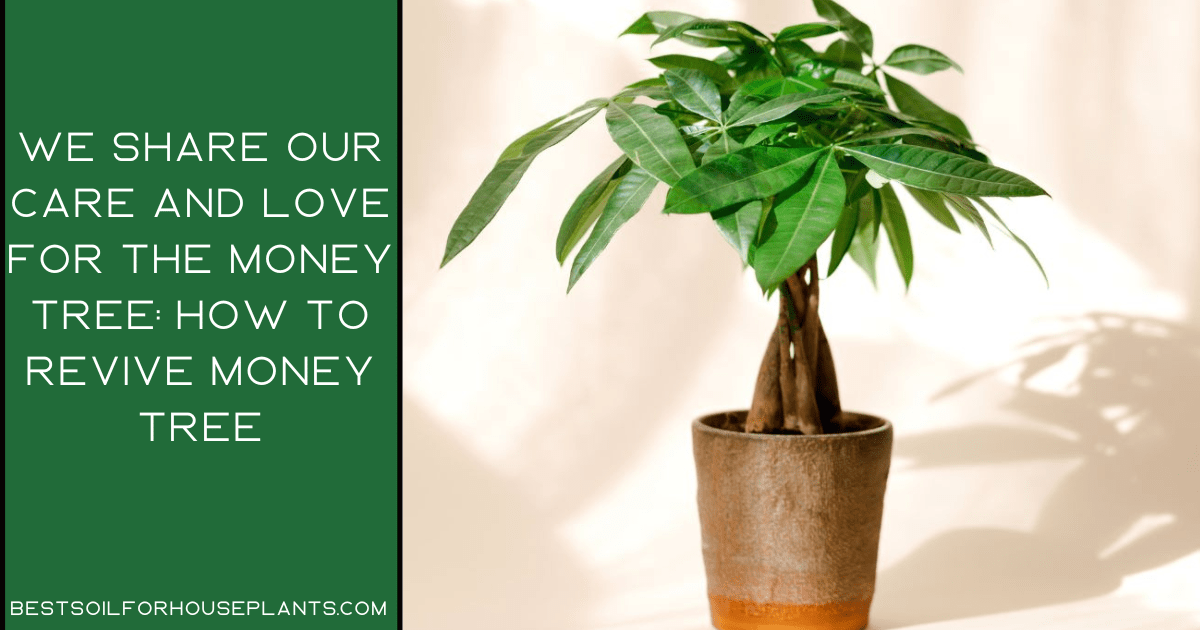
How to revive money tree? A Money tree, its second name is a wicker money plant, it is undoubtedly a magnificent money tree when it is a healthy plant. These lovely money plants grow up from 6 to 8 feet tall indoors. This can be especially concerning if you discover that your money tree is showing signs of distress or disease. But there is no need to panic – with proper care and attention, you can successfully save and revive your dying money tree.
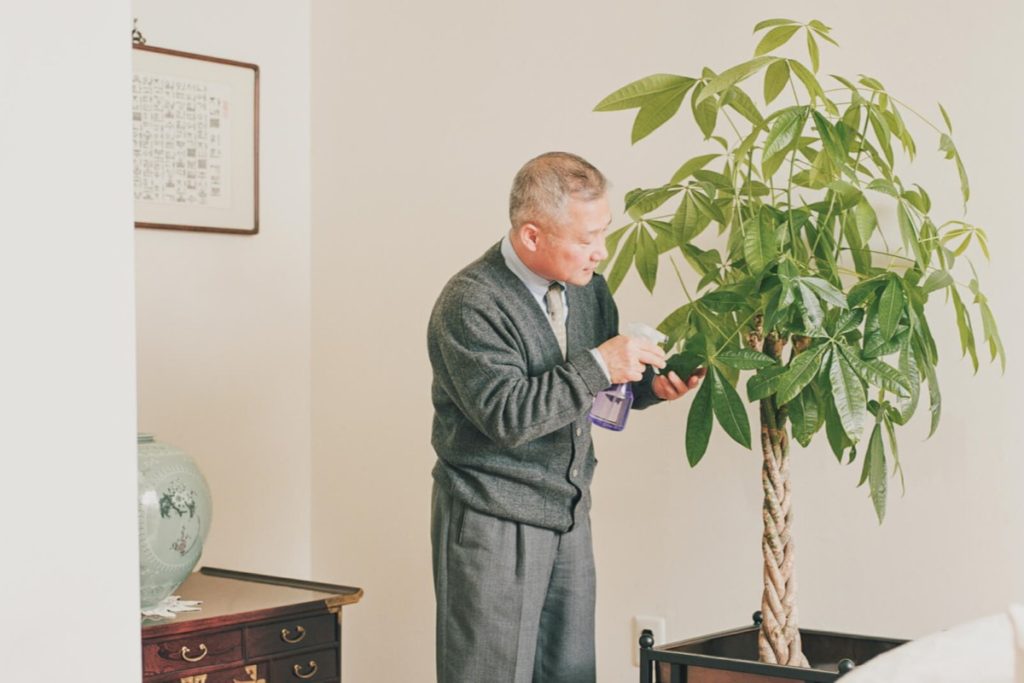
Money Tree Care Guide: Essential Tips for Healthy Growth
Money tree plants require special care and attention to thrive indoors. Neglecting their basic needs can lead to serious problems including yellowing leaves, root rot, and eventual plant death. Understanding the proper care requirements is essential for maintaining a healthy money tree.
When you notice unusual signs or symptoms on your money tree plant, the first step is to assess its current location and growing conditions. Proper placement with adequate light, humidity, and temperature is crucial for plant health.
In this comprehensive guide, we will analyze the most common money tree problems and provide expert tips on successfully reviving your dying money tree plant.
How to Identify a Dying Money Tree: Warning Signs and Symptoms
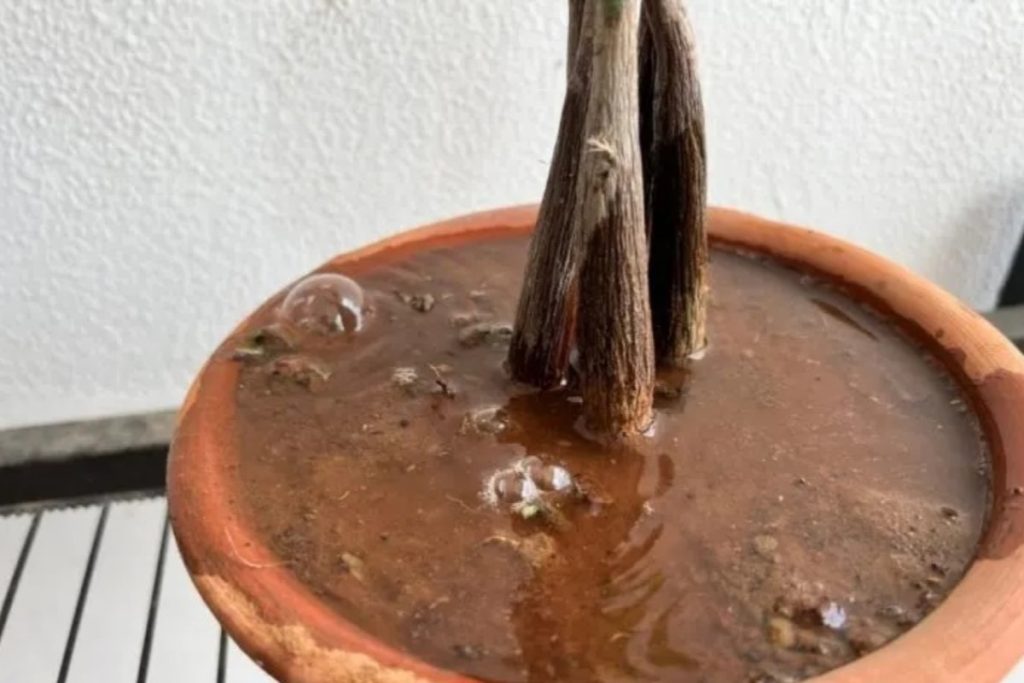
Recognizing the early signs of a dying money tree is critical for successful revival. A pot with a money tree plant should always have drainage holes in the base to prevent water accumulation. Without proper drainage, excess water collects around the money tree’s roots, creating conditions for root rot.
It is essential to empty saucers and trays under the pot regularly so water does not pool at the bottom. Standing water causes root rot, which results in brown leaves, drooping foliage, yellowing, and eventual leaf death. When your money tree receives proper bright indirect sunlight, the leaves will revive and display a healthier, greener appearance.
There are many effective solutions you can implement to revive a dying money plant. Our comprehensive article will provide you with proven methods to bring your money tree back to life and restore its natural beauty.
Money trees are relatively easy to care for when you understand their basic needs. However, neglecting these requirements can cause significant stress and damage to the plant. Regular monitoring and prompt action are key to preventing serious problems.
When you notice unusual signs on your money tree plant such as wilting, discoloration, or leaf drop, immediately assess the growing conditions. Moving the plant to an appropriate location with proper light and humidity can make a significant difference in its recovery.
Step-by-Step Process to Revive a Dying Money Tree
- Check the soil moisture level by inserting your finger 2 inches deep. Water only if the top layer of soil feels completely dry to the touch.
- Increase humidity by misting the money plant regularly and using an air humidifier to maintain optimal moisture levels around the foliage.
- Inspect and ensure proper drainage holes exist at the bottom of the pot to prevent waterlogged soil conditions.
- Remove all damaged, brown, or yellowing foliage from the money plant to redirect energy toward healthy growth and prevent disease spread.
Money Tree Light Requirements: Finding the Perfect Balance
Place your money plant in a location with bright indirect light where it receives 6-8 hours of filtered sunlight daily. Avoid placing your money tree in locations with intense direct sunlight, as this can scorch the delicate leaves and cause permanent damage.
Read also how to take care of:
Treating Pest Infestation on Money Tree Plants
Common pests like spider mites, scale insects, and mealybugs can severely damage money tree plants. Spray affected plants with neem oil solution weekly to eliminate pest infestations and prevent spider mites from spreading to healthy foliage.
When to Repot Your Money Tree: Size and Timing Considerations
A root-bound money plant that has outgrown its current container has a significantly higher risk of decline and death. Transplanting to a larger pot can revive a struggling plant and promote healthy new growth. Choose a pot that is 1-2 inches larger in diameter than the current container.
The best time for repotting money trees is during late winter or early spring when the plant enters its active growing phase. This timing allows the roots to establish quickly in the fresh soil.
Money Tree Transplant Shock: Why Plants Struggle After Repotting
Common symptoms of transplant shock include wilting leaves, browning foliage, and leaf drop. This occurs because the roots need time to establish in the new soil before they can effectively absorb moisture and nutrients. During this adjustment period, your money tree may appear to be dying.
The primary reason money plants struggle after transplantation is that their root systems have not yet anchored into the new soil medium. Until roots establish, the plant cannot sufficiently absorb the water and nutrients necessary to support healthy foliage and growth.
A newly transplanted money tree typically displays normal stress responses, and symptoms of a dying money tree may temporarily appear on the plant during the adjustment period.

Once the root system establishes properly and can effectively absorb moisture without root rot interference, the money tree will show immediate signs of recovery. With optimal growing conditions including proper watering, light, and humidity, your plant will fully revive within several weeks.
How to Revive Money Tree with Root Rot: Treatment and Prevention
If the roots still show signs of vitality despite rot damage, you can take immediate action to reverse the damage and save your money plant. Follow these essential steps to treat root rot effectively and restore your money tree to health.
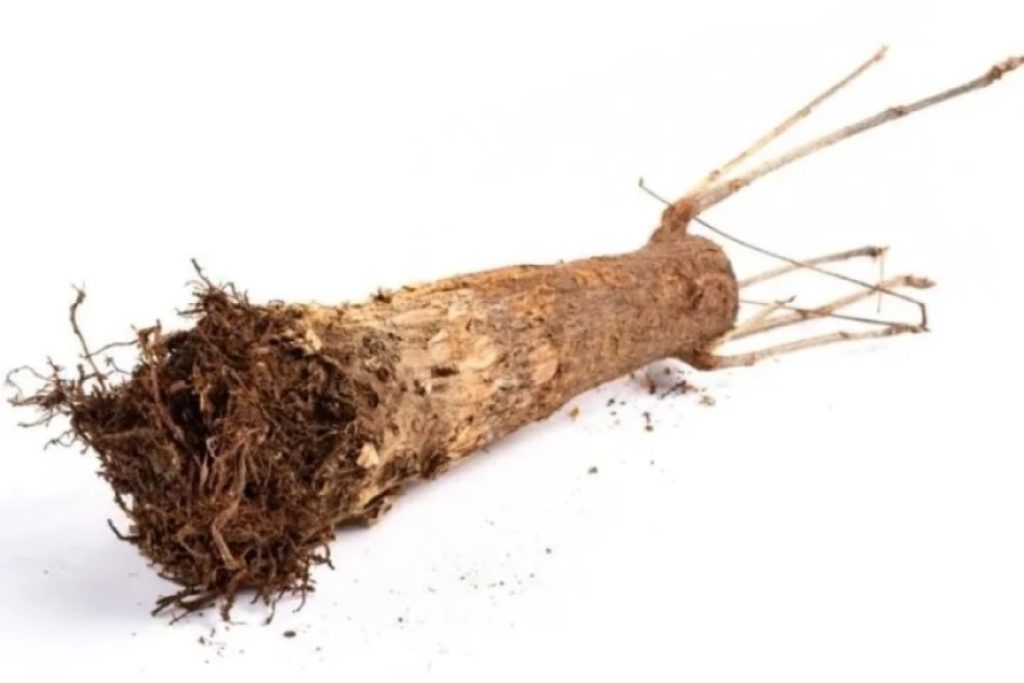
Removing Root Rot: Step-by-Step Cleaning Process
Carefully remove the money tree from its pot and gently rinse the root system under lukewarm running water from the sink to remove all contaminated soil. Use sterilized pruning scissors to cut away all brown, mushy, or black rotted roots. Preserve all firm, white, healthy roots as these will support the plant’s recovery.
Immediately transplant the treated money plant into a clean pot with proper drainage holes at the bottom. Use fresh, well-draining potting soil that is slightly moist but not waterlogged or soggy.
To prevent root rot from recurring in the future, establish a proper watering schedule and only water when the top 2 inches of soil are completely dry.
Understanding Seasonal Leaf Drop in Money Trees: Normal vs Problematic
During autumn and winter months, money trees may naturally shed some leaves due to reduced daylight hours and lower light intensity. This is typically a normal seasonal response. When spring arrives and growing conditions improve, new healthy leaves will grow back naturally.
To revive a dying money tree, recreate the plant’s natural tropical environment with humidity levels around 30-50%, temperatures between 53.6°F to 77°F, and consistent watering to keep soil evenly moist. Water when the top 2 inches of soil feel dry to the touch. Once optimal conditions are restored, the leaves should perk up and show visible improvement within 2-3 weeks, successfully saving your dying money tree.
Yellow Leaves on Money Tree: Causes and Solutions
An overwatered money tree typically develops yellow lower leaves as the first visible symptom. Excessive watering leads to oxygen-deprived soil, causing widespread wilting and yellowing of leaves. This discoloration progresses upward if the problem is not corrected promptly.
If yellowing occurs on your money tree, the plant likely has more serious underlying problems than surface symptoms suggest, particularly root rot. Immediate intervention is necessary to prevent complete plant death.
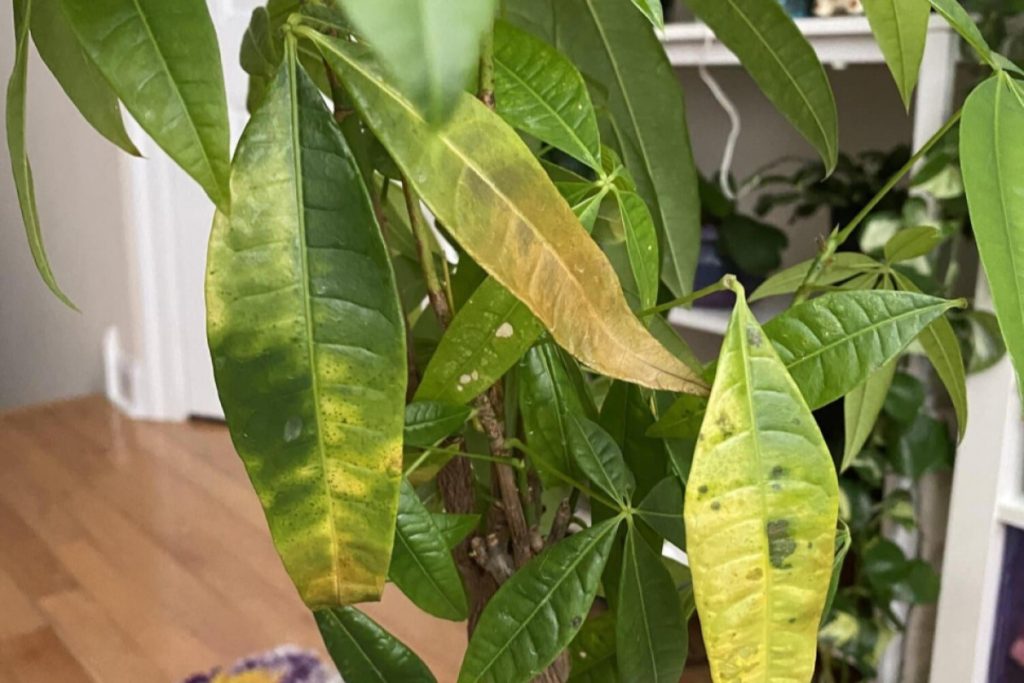
You may wonder why excess water causes leaf yellowing. Initially, the plant appears to thrive with abundant moisture. However, prolonged waterlogging eventually suffocates the roots and causes them to die from lack of oxygen. Consequently, your money tree can no longer absorb sufficient nutrients and water through the damaged root system. This nutrient deficiency leads to chlorosis, appearing as yellow discoloration throughout the foliage. Address root health immediately to save your money plant.
Brown Spots on Money Tree Leaves: Identification and Treatment
When brown spots develop on money tree leaves, this typically indicates a waterlogged root system and poor drainage. Small brown spots usually appear first, then gradually merge into larger affected areas. These water-soaked spots are often surrounded by yellow halos, and affected leaves may eventually drop from the plant.
Like yellow leaves, browning is a definitive sign of root rot damage. Do not expect brown spots to turn green again as this tissue is permanently damaged. Remove all affected leaves using sharp, sterilized pruning shears or scissors to prevent disease spread.
Note that certain bacterial