
Today we suggest that you read the article on the topic: “Do plants attract bugs?”. Factors provoking the attack of dangerous insects: We have prepared the material and tried to fully cover the topic. Dried leaves, a weak stem, damage to the root system, and nondescript buds are the result of the activity of parasites that feed on plant sap.
Spider mites, caterpillars, thrips, earwigs, and mealybugs are not a complete list of aggressors attacking indoor plants. How do you recognize pests on houseplants? Understanding how to deal with bugs, spiders, and ticks is essential for maintaining healthy indoor plants.
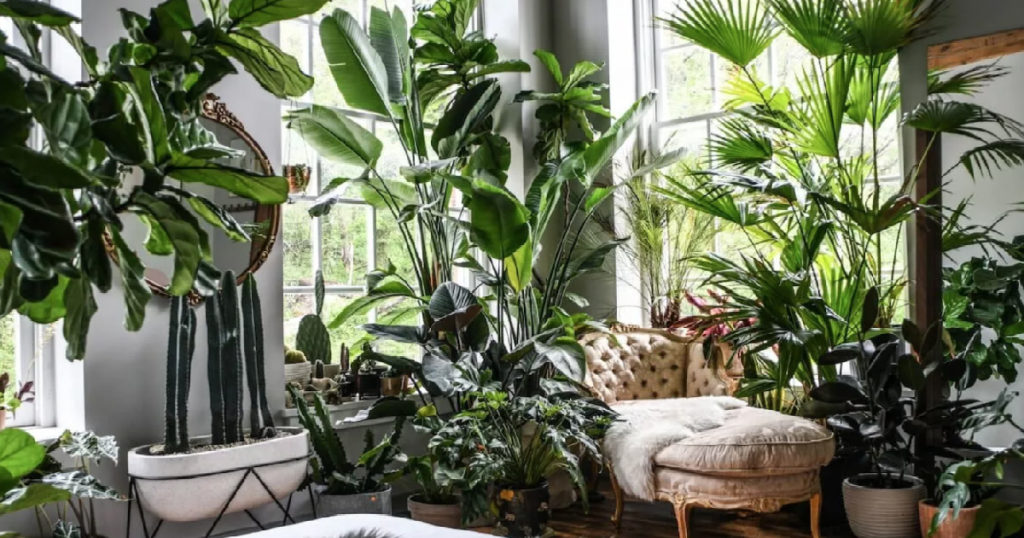
Why Do Houseplants Attract Bugs: Common Causes and Prevention
Why do my houseplants get bugs? Understanding the factors that attract pests to indoor plants is crucial for prevention:
- excessive humidity or insufficient watering, stagnation of water in the pan under the flowerpot;
- poor houseplant care, rare inspection of leaves, stems, and potting soil in containers;
- inattention to the first symptoms of an infection;
- ignorance of the characteristic features that make it possible to identify pests when settling on an indoor flower;
- insufficient loosening of the potting soil;
- rotting of vegetable fertilizers like tea brewing: a moist substrate with a certain smell attracts parasites;
- buying infected new plants with contaminated potting soil from a garden center;
- placement of the potted indoor plant in the kitchen, accumulation of grease on the leaves with poor ventilation performance.
The room where cooking is constantly taking place is not the best area for a home flower. High room temperature and excess humidity in indoor plants attract bugs and create ideal conditions for pest infestations.
How Indoor Plants Attract Bugs: Understanding Pest Behavior
Flower growers know how difficult it is to eliminate harmful pests that feed on various parts of potted plants indoors. The success of pest control largely depends on understanding what kind of bugs settled in the flowerpot and their behavior patterns.
Parasites have different shapes and sizes, but most insects and arthropods prefer succulent young shoots and buds of houseplants. Eggs are found on leaves and in the potting soil, making complete eradication challenging.
Some houseplant pests are visible on a potted plant, others hide on the underside of greenery, gather in the area where leaves attach to the stem, or hide in the upper potting mix. Regular inspection helps identify these common houseplant bugs early.
Mealybugs on Houseplants: Identification and Treatment Methods
Pest information:
- A tiny insect is difficult to see without a magnifying glass: dimensions no more than 6 mm;
- A white waxy powder-like coating protects common pests from many insecticides. The destruction of the mealybug requires thoroughness and regular processing of the affected flowers;
- Insects settle in the axils of the plant’s leaves, braid the leaves with a thin white cobweb;
- The optimal conditions for the development of a mealybug are high humidity plus a temperature of 25 degrees Celsius;
- Parasites accumulate in groups, making leaves appear covered with dirty white cotton-like substance;
- Most parasites live on stems and leaves and suck out the sap. Some species parasitize on the roots, depriving flowers of essential nutrients;
It is not by chance that amateur flower growers consider the mealybug a dangerous pest: infected plants often die without proper treatment.
Folk methods for mealybug control:
- tincture with lemon or orange zest;
- dish soap decreases fungal growth;
- indoor gardening treatment with running water;
- garlic infusion;
- decoction of field horsetail;
- the mixture of water and olive oil.
Spider Mites on Indoor Plants: Prevention and Natural Remedies
Pest characteristics:
- a spider mite no larger than 1 mm in size does significant harm: larvae and adults suck the sap from the flower, provoke the loss of chlorophyll, yellowing of the leaves;
- gradually discolored leaves dry up, curl, fall off, and the indoor flower weakens dramatically;
- the areas on which tiny mites are located are covered with a thin white cobweb;
- adult parasites are red-brown or greenish, making them difficult to recognize on leaves and stems;
- the females are fertile, with hundreds of new eggs emerging every three days. Without regular inspection, thousands of ticks will quickly suck the sap and the indoor flower will wither.
How to get rid of spider mites:
- the main thing: pay attention to the condition of the plant and inspect regularly.
- treatment with biological preparations gives an effect with a weak infection of the flower.
- folk remedies will complement chemical insecticides and kill bugs: a decoction of onions, potato tops, garlic, an infusion of dandelion and celandine;
- ticks do not like hot water: to destroy adults and larvae, wipe the leaves with a sponge dipped in heated liquid.
Thrips on Houseplants: Signs, Symptoms and Control Strategies
Description of the pest:
- small flying insects with an elongated body, the color is a combination of black or dark brown on top with reddish and yellow in the lower part;
- they are small, no more than 1.5 mm in length;
- insects lay eggs on greenery and do not live on the soil surface;
- it is not difficult to recognize the appearance of thrips: the leaves acquire a grayish-brown color from below and a silvery tint from above;
- on the underside of the leaves are colonies of tiny pests;
- with the active reproduction of harmful insects, indoor plants weaken and lose their decorative properties quickly.
How you can prevent bugs and control thrips:
- sufficient watering: thrips do not like damp soil;
- regular inspection and mechanical removal;
- treatment with fungicides and systemic insecticides that penetrate the roots, stems, and leaves of indoor flowers.
Effective Methods for Eliminating Thrips from Indoor Plants:
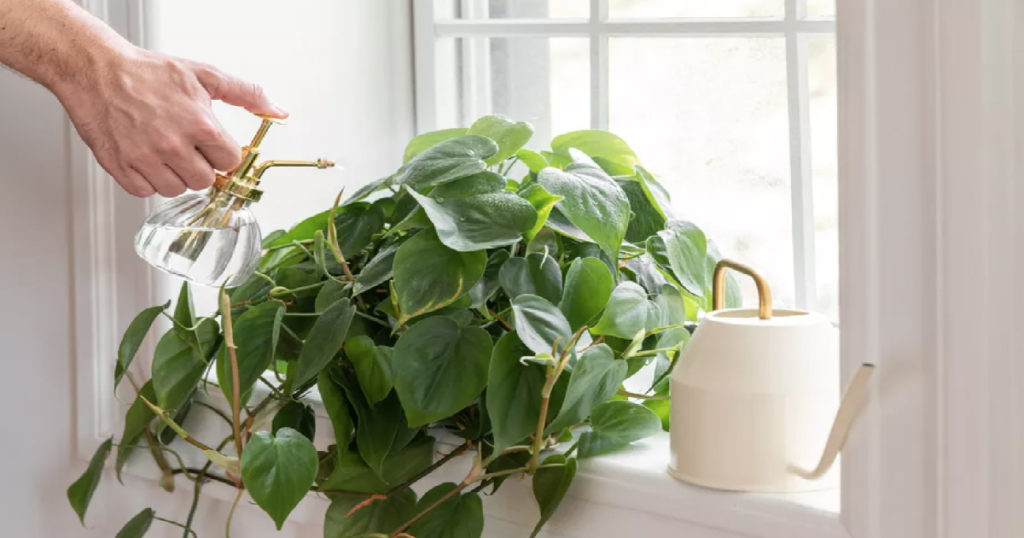
- insecticidal soap solution against thrips. Prepare a strong foam, apply liberally to problem areas, and carefully process all the leaves on which traces of the activity of harmful creatures are visible. For a noticeable effect, experienced flower growers recommend washing off the home remedy only after a day. After the procedure, rinse the greens well with clean water;
- sticky traps located near the flowers will help get rid of flying insects;
- a decoction of potato tops is a proven folk remedy against thrips. Steam half a bucket of green mass with boiling water, leave in standing water for 8 hours, remove leaves and stems, and strain the product. Spray on infected flowers daily for best results.
Whiteflies on Houseplants: Detection and Effective Treatment
The tiny whitefly prefers to settle on the underside of the leaf. These pests love fuchsia, pelargoniums, and even fragrant mint very much. How to discover it? Very easy! Just touch your plant and tiny butterflies will immediately fly into the air.
The main reasons for whitefly appearance are as follows:
- waterlogging of the soil resulting from too frequent watering of indoor plants;
- the presence in the soil of components that allow excess moisture to linger for a long time;
- infected soil purchased on the market or in a store along with a new flower;
- fertilizing flowers with tea leaves or other means that are not intended for such purposes;
- the penetration of insects into the home through a window, door, or ventilation grill.
Bugs can appear on the ground for a number of the following reasons:
- Excess moisture from excessive watering and stagnation of liquid in the pot tray.
- Insufficient loosening of the soil in potted plants.
- Transplanting a flower into contaminated soil.
- Rotting of vegetable fertilizers, which attracts insect pests with its smell.
- Acquisition of infected flowers and placing them next to domestic ones can be fraught with the spread of insects to healthy potted plants.
- Placement of flowers in the kitchen, where their pores and soil are clogged with grease that is released during cooking.
- Watering the soil with substances that are not intended for these purposes, for example, the remains of drinks.
Aphids on Indoor Plants: Identification and Organic Control Methods
Pest characteristics:
- small insect up to 1 mm, oval body, brown color;
- live along the central vein on the underside of the leaves;
- the body is covered with a shell that protects against the effects of toxic drugs;
- the longer the pest parasitizes on the flower, the worse the condition of the plant: the leaves dry, turn yellow, curl, and fall off.
How you can fight aphid infestation on houseplants:
Some insects you can remove mechanically, wipe the leaves with alcohol or soapy water. In case of severe infection, cut off the affected leaves and burn them to prevent spread.
Best Houseplants That Don’t Attract Bugs and Pests
While most houseplants attract bugs, certain plants naturally resist pests. These may be a better option for you if you want low-maintenance indoor plants. Some examples of these types of potted plants are:
- Snake plants
- Bromeliads
- Air plants
- Venus flytraps
- Dracaena
- Aglaonema
If you don’t want to attract pests to your home, these bug-resistant potted plants thrive indoors and can improve your room aesthetics without pest problems.