
No matter which one it is, the Monstera Deliciosa plant, Monstera Adansonii, or Monstera Obliqua, they all bring such a tranquil rainforest vibe to the place. Their lush, magic green leaves with slits or holes in them are a remarkable sight for any interior making them one of the favorite house plants. Understanding the Monstera leaves unfurling process is essential for optimal plant care and growth.
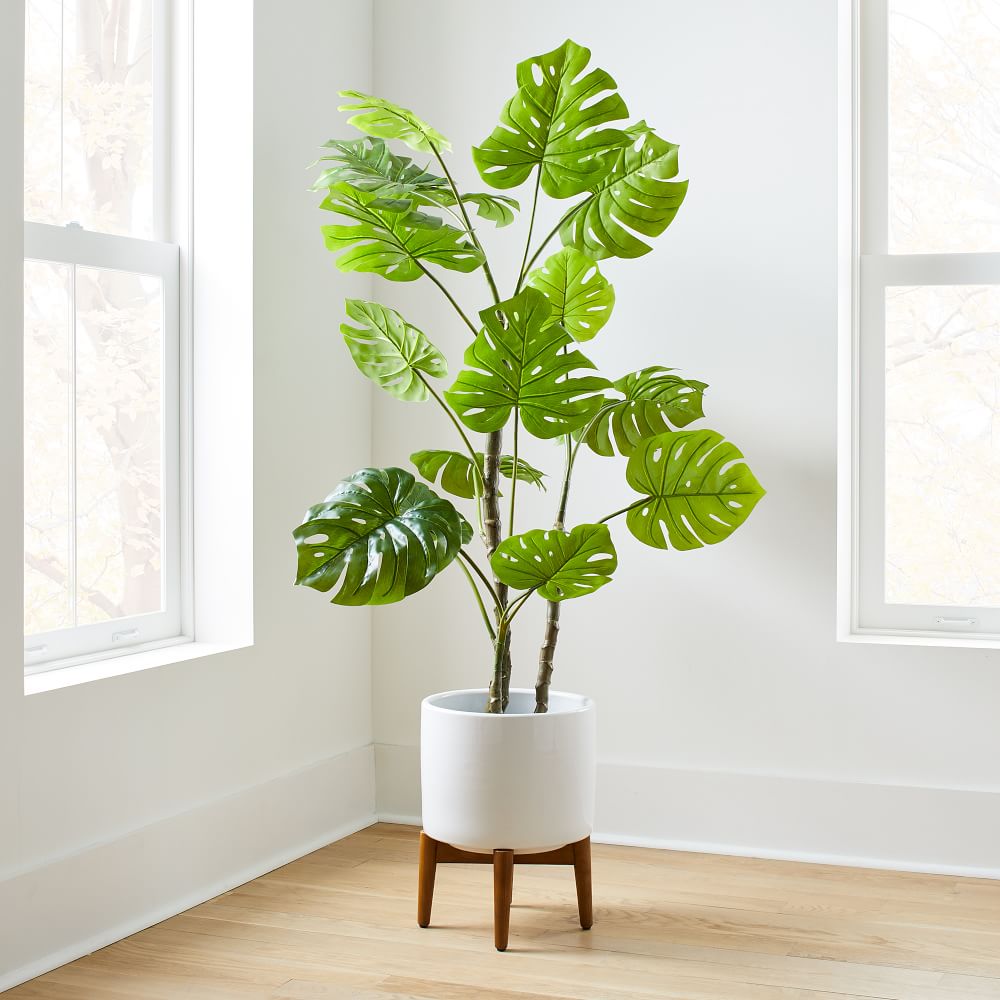
Did you know that the Monstera houseplant can reach 10 feet in height?
Monstera is a kind of plant that thrives in a light, warm and humid environment. It can grow pretty rapidly, and if you have purchased one, you will soon notice that new monstera leaves normally come out furled and will gradually unfurl when care conditions are right. This tropical houseplant responds quickly to proper environmental conditions.
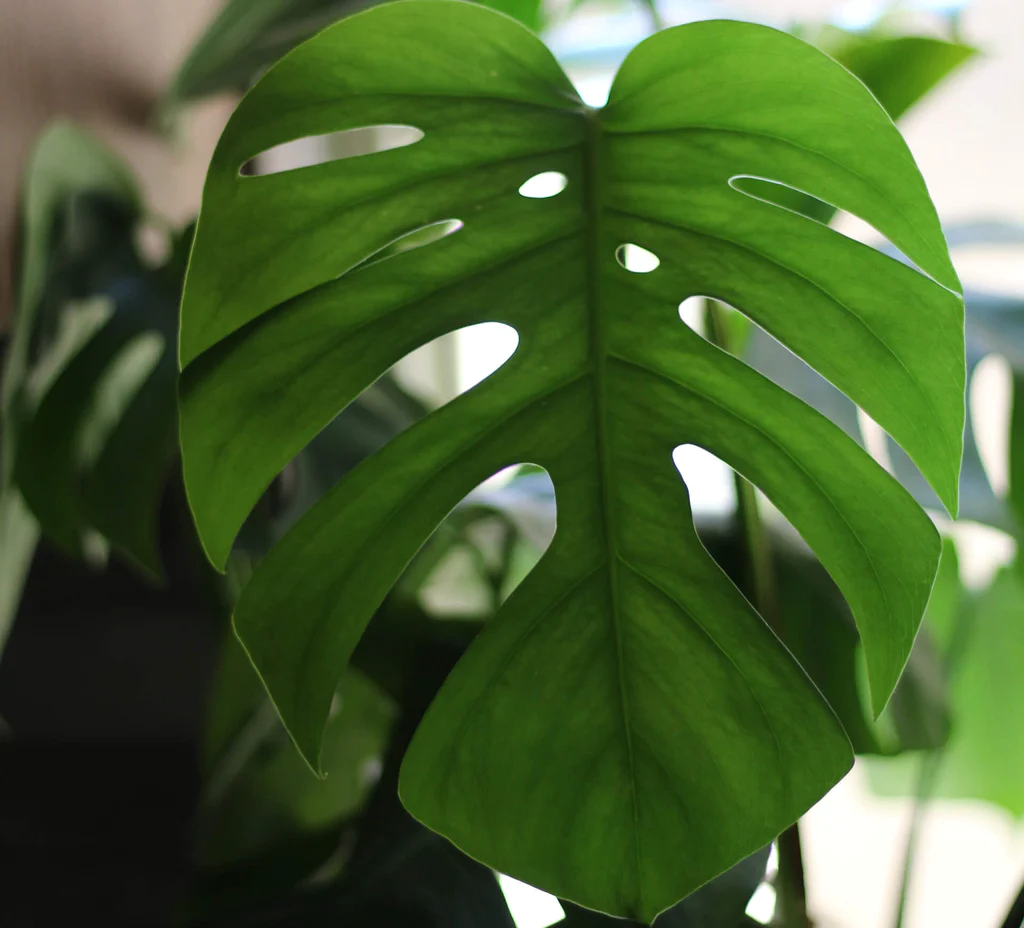
The plant is also named the “Swiss Cheese Plant” due to the unusual form of its gorgeous Monstera leaves.
Monstera can be firmly considered a beginner’s plant, which sounds a bit doubtful at the start, but once you know a few tricks, you will learn that it is incredibly easy to maintain and can make you an enthusiastic plant lover. These low-maintenance tropical plants are perfect for both novice and experienced plant parents.
When the perfect environment is provided, you will notice new growth very soon. Providing your monstera plants with bright indirect light, proper water, essential nutrients, and enough humidity you can enjoy watching monstera leaves unfurl naturally.
How Long Does It Take for Monstera Leaves to Unfurl Completely?
Now your household is complete after getting a Monstera plant. These exotic and majestic plants make an impressive wow factor indoors. It is exciting to watch your plant shoot new leaves, however, if your monstera is taking its time to unfurl, you are not alone.
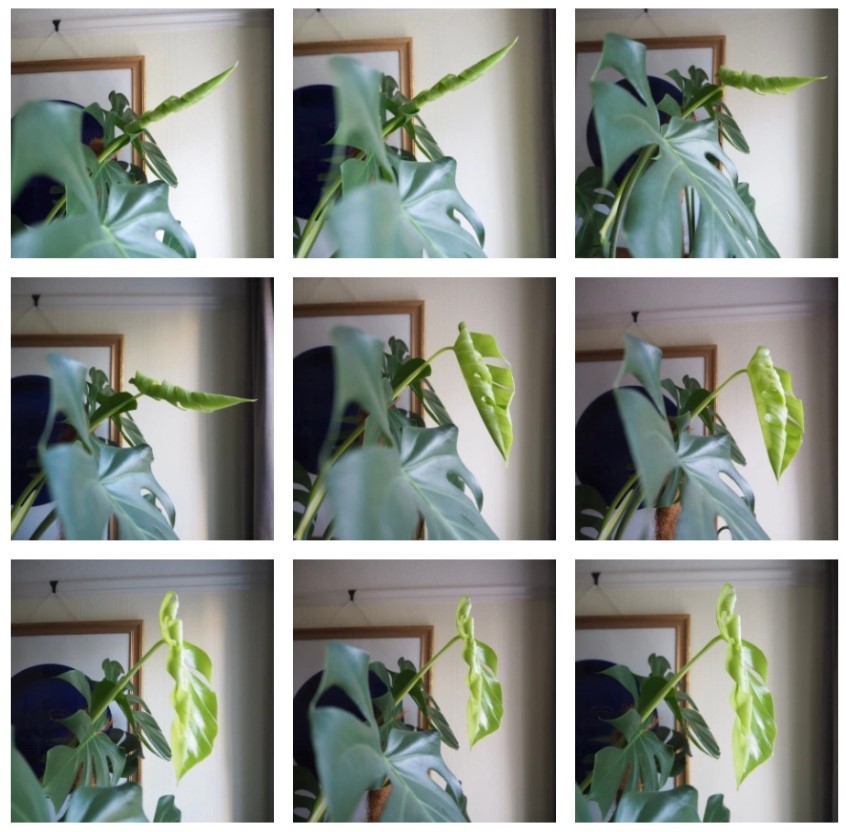
This tight curling of new leaves is common for Monstera plants. Depending on proper care and environmental conditions, leaves grow and unfurl within 1 to 7 weeks. The unfurling timeline varies based on plant health and surrounding conditions.
It also depends on what type of Monstera you have acquired and how old is that plant. However, curling could be a sign of submersion, low humidity, insect diseases or heat stress affecting the unfurling process.
Do not despair if leaves do not unfurl straight away, Monstera new leaves will unfurl by themselves naturally. If your leaves are not unfurling by themselves after a few weeks and are beginning to brown, there could be few logical causes that need attention.
Why Won’t My Monstera Leaf Unfurl? Common Problems and Solutions
The time required by the Monstera leaf to fully open is based on a number of factors, such as:
- humidity level;
- watering frequency;
- pests;
- the amount of sunlight that was received;
- age;
- nutrition of the Monstera.
You can see the leaves of the monstera plant unfurling under seven days in someone else’s garden or home, however, every plant is unique, and so it grows differently. Leaves of the very same plant may uncurl at a different rate. It is normal, and there is nothing to worry about.
Nevertheless, if it does take too long for a Monstera leaf to unfurl, or if new leaves are just sitting on the stem, does not unfurl naturally or change color to brown, there could be a reason for it. You certainly can enhance the growth of foliage of your houseplants, including magnificent Monstera, with proper care adjustments.
Helpful Tips to Make Monstera Leaves Unfurl Faster and Healthier
So if you are observing a Monstera leaf undeveloped for a while you can check these tips for help:
Important Rule to Follow: Never Force Monstera Leaves to Unfurl
Only one rule: do not try unfurling the monstera leaf yourself, if you do, the leaf will not fully develop, will not fully unfurl and you most likely will damage the leaf in the process. Allow natural unfurling to occur for healthy leaf development.
Not Getting Enough Watering: Underwatered Monstera Symptoms
Leaves of your Monstera plant will curl if there is not enough watering. Check the soil, lack of water can result in the flower pot being much lighter, also if at the edges or 1 to 2 inches down is dry soil, it is time to water. Proper watering is crucial for Monstera leaf unfurling.
Inspect soil dryness every couple of days as the water needs of your plant relies on:
- plants’ development rate;
- location of the plant;
- time of year;
- temperature;
- humidity levels.
Adjust the frequency of watering according to those conditions. If you do not remember to water your plants, make sure you set an alarm on your phone every couple of days as a reminder.
Pests: Common Monstera Pests That Prevent Leaf Unfurling
Monstera plants are vulnerable to invasions and attacks by pests like spider mites, mealybugs, and thrips. These can draw the juice from Monstera and can feast on its stems and foliage, preventing healthy leaf unfurling.
Insect attacks can also cause water loss and result in leaves curling. Pests can diminish nutrient delivery to Monstera which leads to leaf curl and stops the growth rate of Monstera. Early pest detection is essential for preventing unfurling problems.
It is easy to spot numerous insects with naked eyes however, you might require a magnifying glass to find spider mites as they are teeny-weeny. Rings or yellow spots on leaves are signs that thrips are feeding on leaves.
You can find out more information about pests, insects and the means of destructing them in my article “Do plants attract insects? Causes + Effective methods of destruction“.
Low Humidity: How Humidity Affects Monstera Leaf Unfurling
Monstera is a tropical plant, and it does not like lower humidity levels. When the humidity levels fall to around 40 percent, you will observe leaf curl as a typical reaction. Maintaining proper humidity levels is essential for successful Monstera leaf unfurling.
It will not wilt due to low humidity alone. You can utilize a digital hygrometer to keep an eye on the humidity level inside your home. It is possible to increase the humidity by making use of a humidity tray underneath Monstera and using pebbles to elevate the plant over the water level, or by using an air humidifier.
Heat Stress: Temperature Problems That Delay Monstera Unfurling
Soaring temperatures, particularly a sudden change in weather conditions, can be the cause of slow leaf unfurling. Despite the fact that tropical climates are natural for Monstera, excessive heat can cause water loss in it and a sunnier window can cause sunburn damage.
The ideal location for Monstera is shade, away from direct sunlight, reducing the intense light received which allows leaves to unfurl quicker. The perfect temperature for Monsteras is around 70 degrees Fahrenheit, and being in an area with bright indirect sunlight, can help enormously also.
Wrong Pot: Choosing the Right Container for Monstera Growth
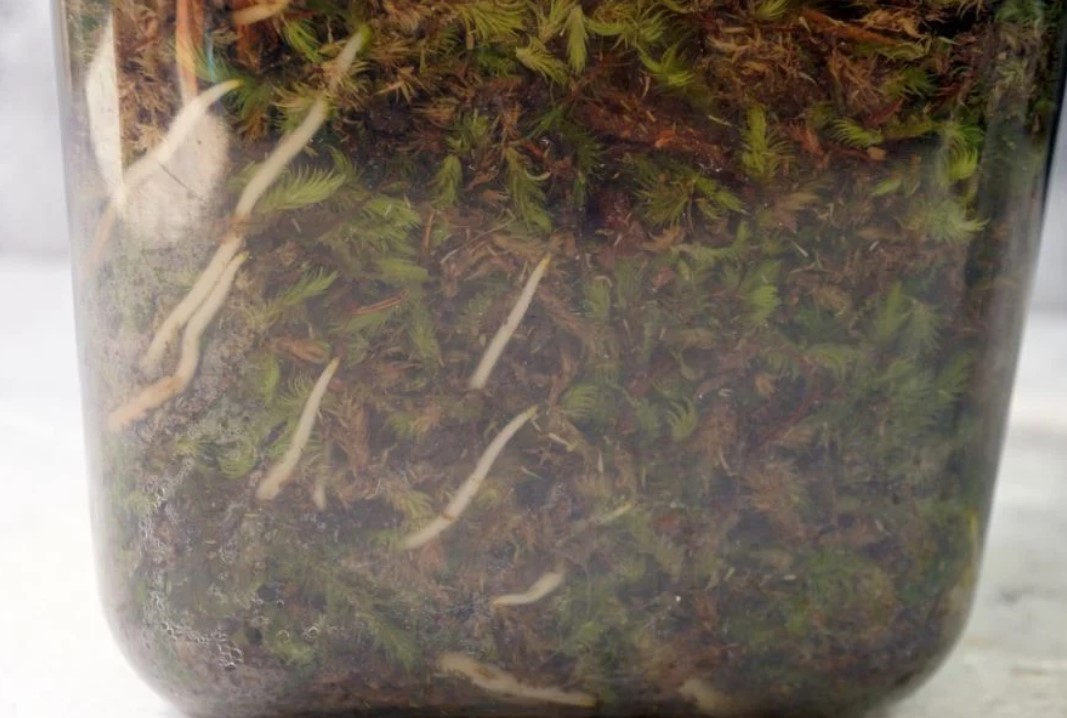
When the roots do not get adequate space to grow, Monstera leaves will stop unfurling naturally. The plant might have grown larger, but it remains inside the exact same pot in this instance, it cannot take water and nutrients enough from the soil.
Consider repotting all your home plants once in a while when they have grown big. Use a pot with drainage holes to avoid overwatering and promote healthy root growth for better leaf unfurling.
Overwatering: Signs of Overwatered Monstera Plants
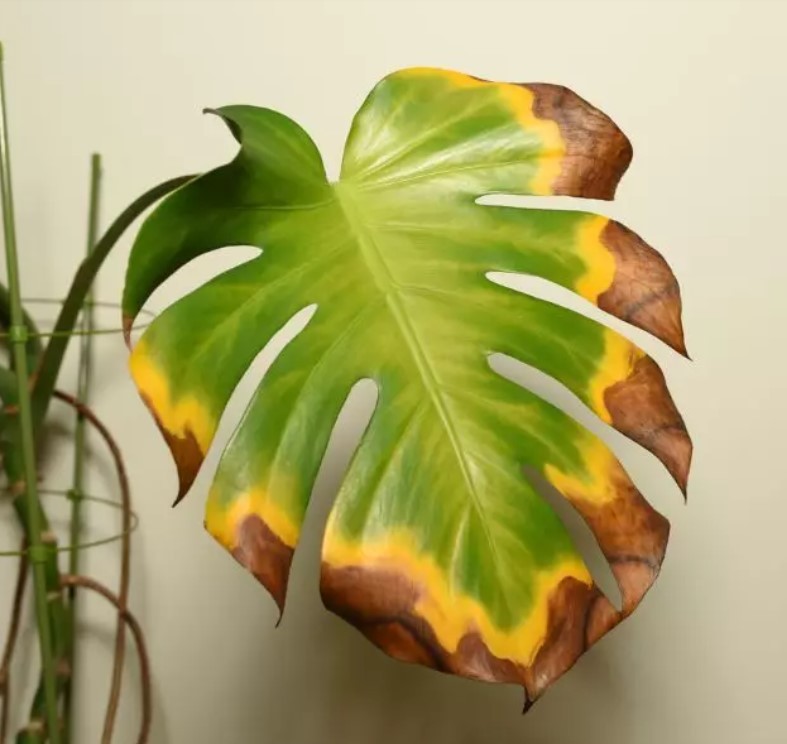
Overwatering is the most common reason behind the delayed unfurling of a new leaf. The water damage itself creates root rot and can result in fungal infestation. New Monstera leaf will not open up or develop properly if watering it excessively because the plant will experience a lack of nutrients. Signs of overwatering are:
- yellowing of leaves;
- wilting of plants;
- curling of leaves;
- brown spots on the leaves.
Do check the soil frequently for proper moisture levels. A soil moisture meter works out just as well to figure out if the soil has enough water at the moment.
Consequences of Overwatering: Root Rot Prevention and Treatment
Lift the plant to check if the roots have decomposed. Rotten roots will become brown or black in color and typically have a rotting smell. In the case you have spotted the root rotting you can try the following:
- Remove Monstera from the pot;
- Cut off mushy roots and replant;
- Wait until it dries out;
- Reduce roots by one inch higher than the rot;
- Relocate to fresh soil;
- do not water for a day.
How Long Does It Take for Monstera Leaves to Split and Develop Fenestrations?