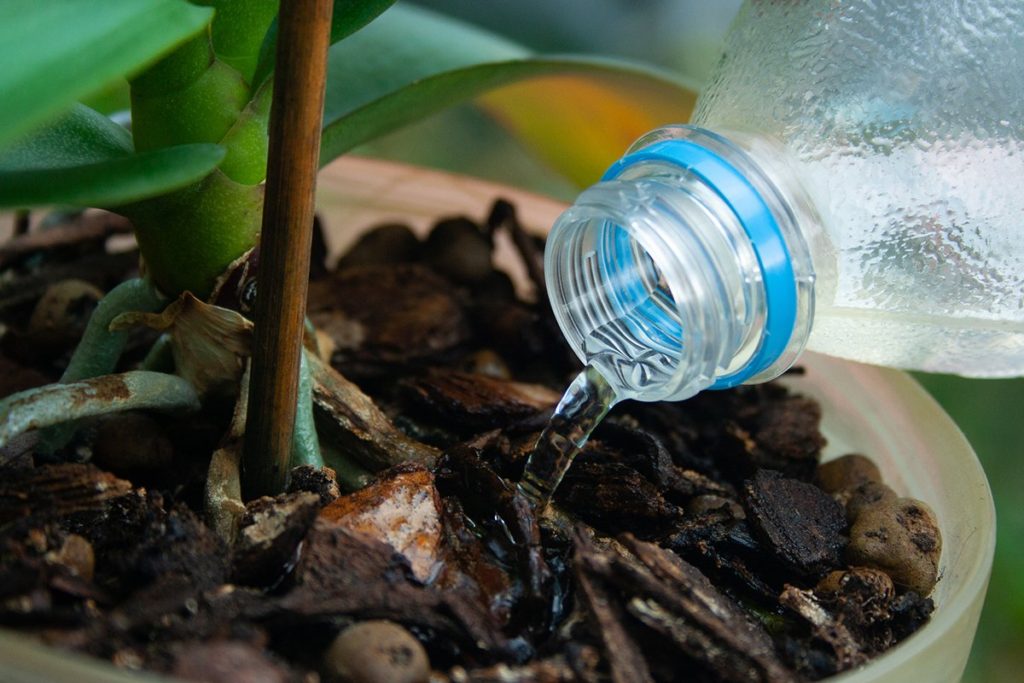
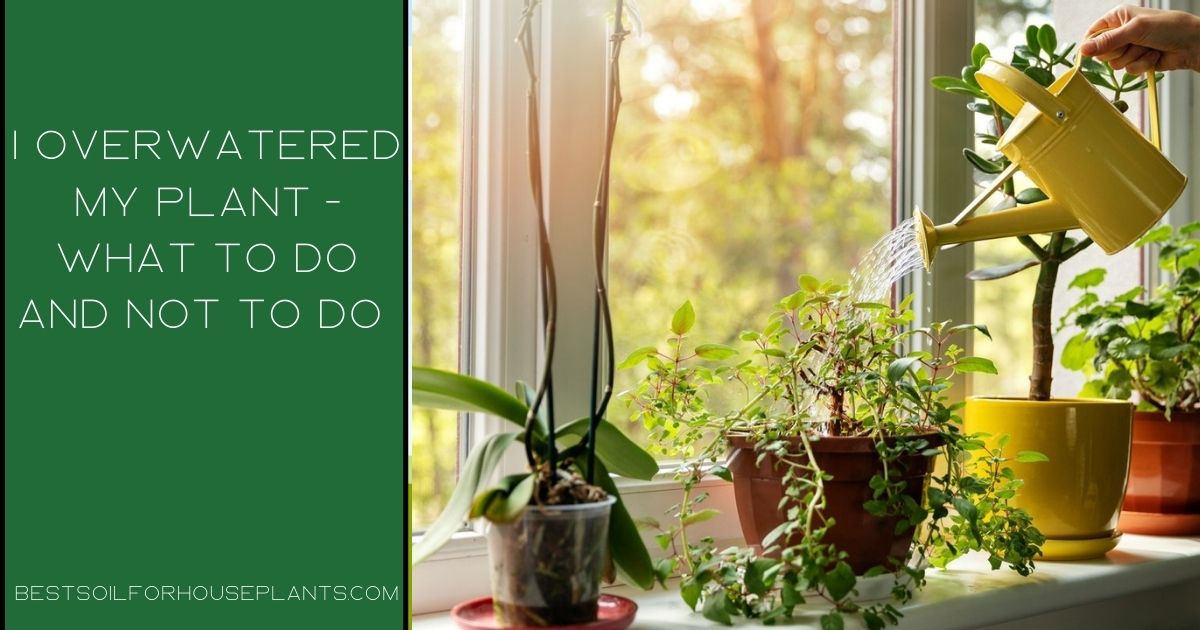
Overwatering is one of the most common mistakes in indoor gardening that can damage or kill your houseplants. Many plant owners want to take good care of their plants, so they start pouring excessive amounts of water on them. Potted plants and indoor plants are particularly vulnerable to overwatering issues.
In this article, we will tell you how to identify overwatered plants and recognize the key symptoms. We will also give you expert advice on how to save an overwatered plant and prevent overwatering in the future, so you will never have to ask “I overwatered my plant, what do I do?”
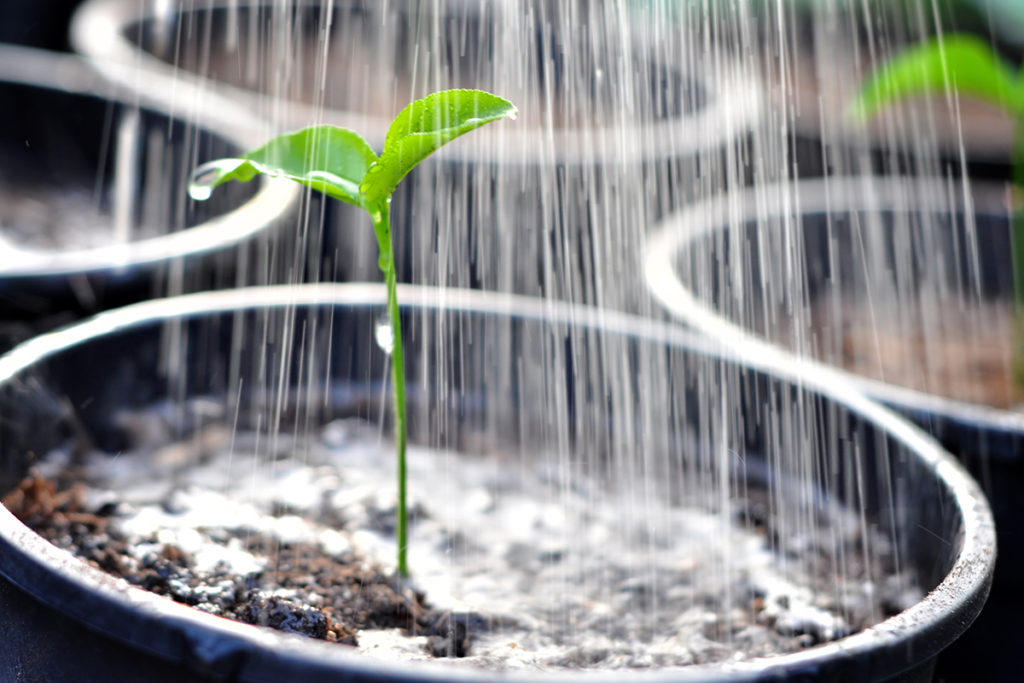
Signs of Overwatered Plants: How to Identify Overwatering in Your Houseplants
Overwatered plants often look similar to underwatered ones, which can be confusing for plant parents. Confusing these two conditions will lead to further damage and potentially kill your plant. That is why it is vital to understand and recognize the key differences between overwatering and underwatering.
Common Symptoms and Signs of an Overwatered Plant
- Soggy soil. You are sticking to your common watering routine and notice that the wet soil is not drying out between waterings. That is the most common sign of overwatering houseplants;
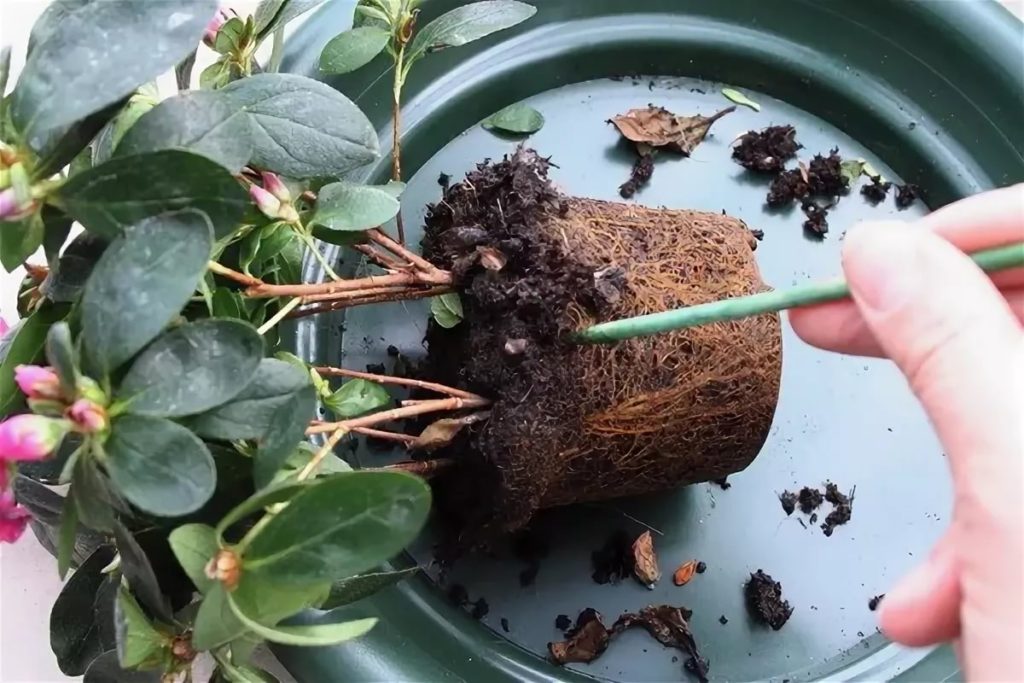
- Root rot.If your type of pot or mix allows you to examine the plants’ roots, you should check their appearance. If they are brown and soft instead of being white and strong, they are rotten. That is because they cannot handle the large amount of water you give them;
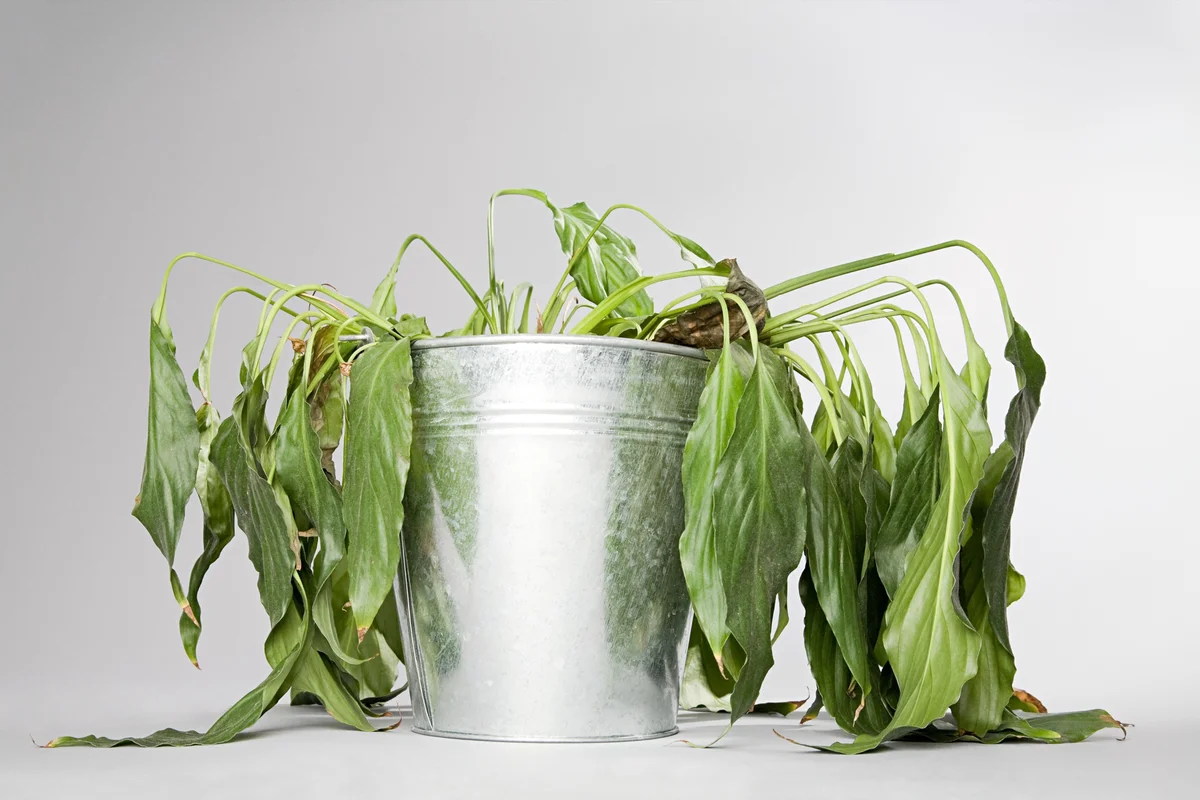
- Wilting leaves. This sign can be attributed to both under- and overwatering. In both situations the nutrient flow of the plant gets shut down;
- Swollen or soft leaves and stems;
- Changes in leaves’ color.The leaves become light green, yellow, or even brown;
- Old and young leaves fall off;
- Brown spots in some places of plants’ foliage;
- Leaf edema. This is a common condition of overwatered plants. When leaves get too much water from the plants’ roots, their cells start popping and forming patches and bubbles that look unpleasant;
- Slow growth and development problems;
- Fungus and green algae. These microorganisms love high humidity levels, so they start growing on the leaves, stems, and in the soil of an overwatered plant. They produce unpleasant smells, which helps you notice them;
- The appearance of other moisture-loving pests.These include gnats, powdery mildew, mushrooms, etc.
You do not have to check for all of those signs when examining one particular plant. For example, soggy soil and brown spots combined are already enough to confirm that the plant is clearly overwatered and needs immediate attention.
Main Causes of Overwatering Indoor Plants and Houseplants
Improper Watering Routine and Frequency
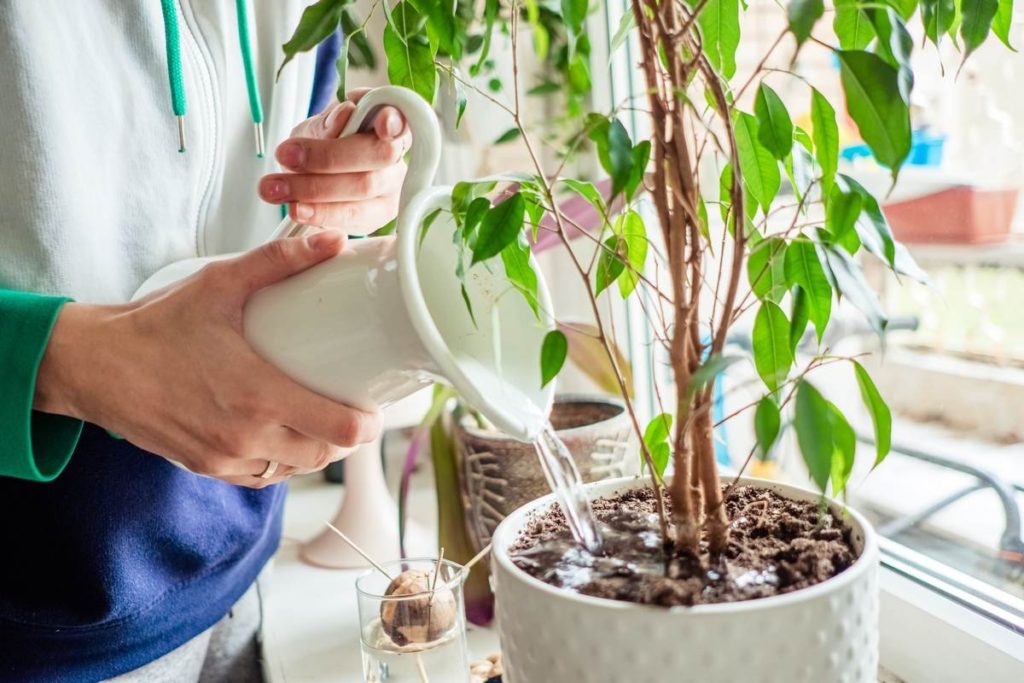
The most common reason for overwatered plants is the wrong watering practice and frequency. When you water your plants too often, the soil does not have enough time to dry out properly between waterings. That is why you should not stick to some abstract watering schedule without checking soil moisture first.
You should check the soil moisture every time you want to water the plant instead. If it has not dried out yet, then delay the watering, even if your schedule tells you to water right this day.
Poor Drainage and Compacted Soil
The reason for overwatering can lie in the soil structure and drainage issues. Poor drainage causes the water to remain around the plant’s roots and creates a soggy environment leading to overwatered plants and root rot.
Drainage is the soil’s ability to give the excess water away and dry out quickly enough.
That is why it is important to choose the right potting soil with proper drainage for your plant. But even a well-draining mix with lots of organic matter becomes compacted over time. Soil amendments like pumice, perlite, vermiculite, and coarse sand can improve the drainage significantly when added to the potting mix. If you do not repot your plants often, you can just mix these amendments into the existing soil.
Different Plant Types Have Different Watering Needs
Even if you have many different indoor plants in your home garden, you should approach each one of them individually based on their specific watering requirements. The main difference between these plants’ needs is not just the way they are watered, but what type of soil and moisture level they prefer.
The potting mix you choose for a plant should meet its needs well. The soil mix for cacti and succulents is supposed to drain relatively quickly, while Monsteras and tropical plants prefer slightly moist but not soggy soil that does not drain that fast.
If you chose the wrong type of potting soil mix, you can fix it by mixing some additives in or just use it for another plant.
Temperature and Humidity Levels Affect Watering
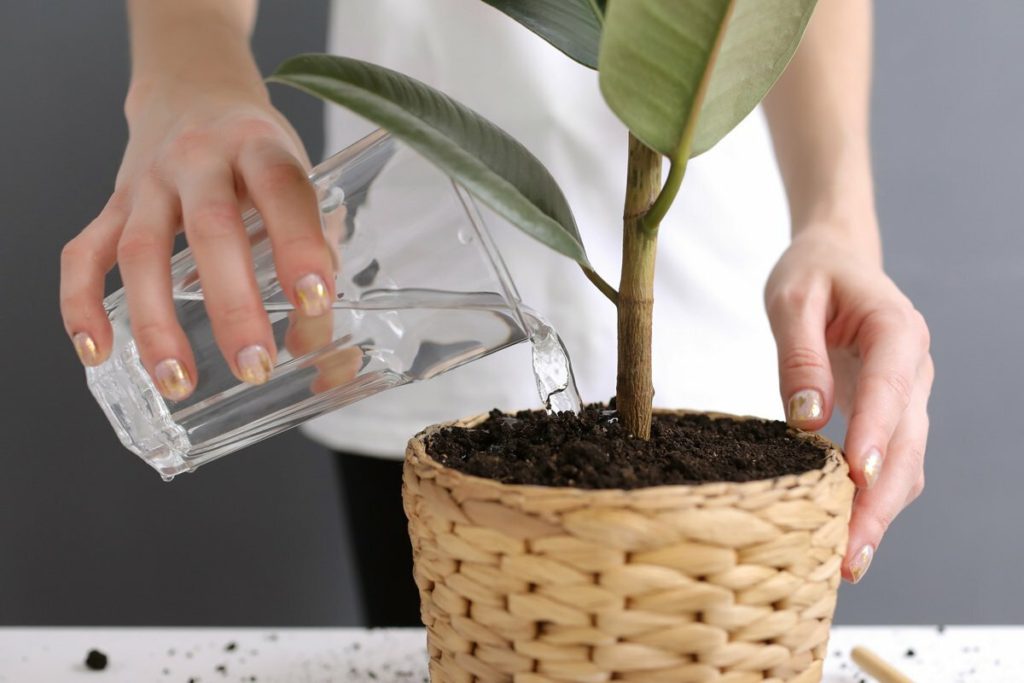
Temperature. Everything is simple here: the higher the temperature, the quicker the water evaporation and the faster the soil drying. When picking a watering schedule, consider the climate and temperature in your region: a schedule for a warmer area will be an overkill for a colder climate and can lead to overwatering.
Humidity. High air humidity level makes water evaporate slower from soil and leaves. You might have high humidity due to your humidifiers, water-filled trays, or naturally humid climate. This environmental factor can greatly affect your watering routine and frequency.
Pot Size, Materials, and Drainage Holes Matter
- Container size. The larger the pot, the more water it can hold after each watering and the longer it takes for the soil to dry out. So when you repot your plants from smaller containers to larger pots, make sure you adjust the watering frequency accordingly to prevent overwatering.
- Materials. Terracotta pots’ material is quite porous, which makes evaporation easier and prevents overwatering. Terracotta pots dry out faster, while plastic and glazed pots trap more moisture and dry out longer.
- Drainage holes.The pot you use is supposed to have at least one drainage hole at the bottom for proper water drainage. If there are no holes, you might want to check the plant’s roots for root rot and repot the plant. You can also drill some holes in the existing pot if it is a plastic one. You could use a screwdriver or even a knife for that.
Trying to make drainage holes in ceramic or clay pots is no use because you will most likely break the pots. It is better to use these decorative pots as cache pots with a plastic nursery pot inside.
Plant Dormancy Period and Seasonal Changes
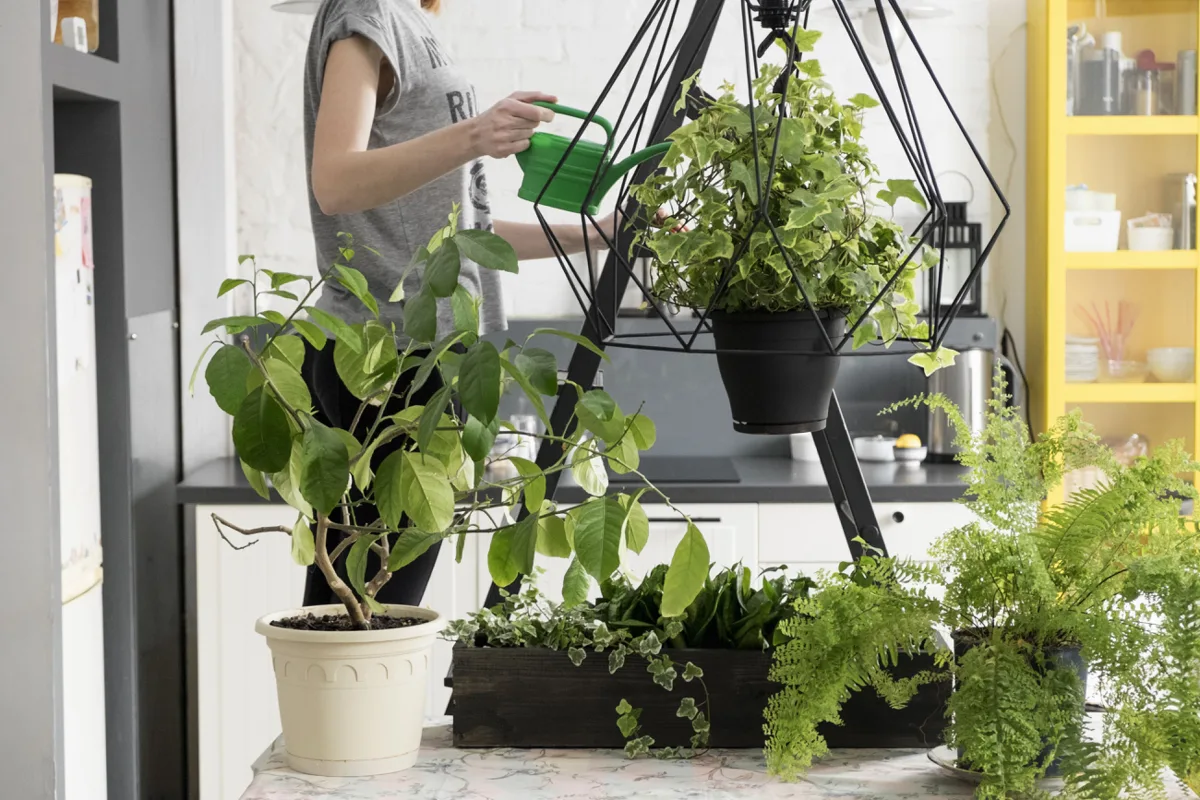
Some types of plants have regular cycles of dormancy when their water needs decrease significantly. Those are periods when the plants do not need their usual amount of water, they usually occur during cool seasons and winter months. You should know whether your plant has such cycles and adjust the waterings when the signs of dormancy are appearing to avoid overwatering during this vulnerable time.
Consequences of Overwatering: Why Too Much Water Kills Plants
Overwatering is one of the most common issues and causes of plants’ death in indoor gardening.
Even experienced horticulturalists and plant experts face overwatering issues from time to time. Some plants might tolerate poor soil, low light, dry and hot conditions, but would not stand an overdose of water. Even if you are a beginner plant parent and want to show love for your plants, you should not pour lots of water onto them.
Overwatering Drowns Plant Roots and Blocks Oxygen
The roots not only absorb water and nutrients but also engage in gas exchange with the surrounding soil. Too much water just blocks the roots from getting oxygen from the air, essentially drowning the plant from below. This oxygen deprivation is one of the primary reasons overwatered plants die.