Shade-loving and shade-tolerant indoor plants can become a real decoration of an apartment that lacks sunlight. These low-light houseplants can easily tolerate both slight shade and thick twilight, making them perfect dark room plants for any home.
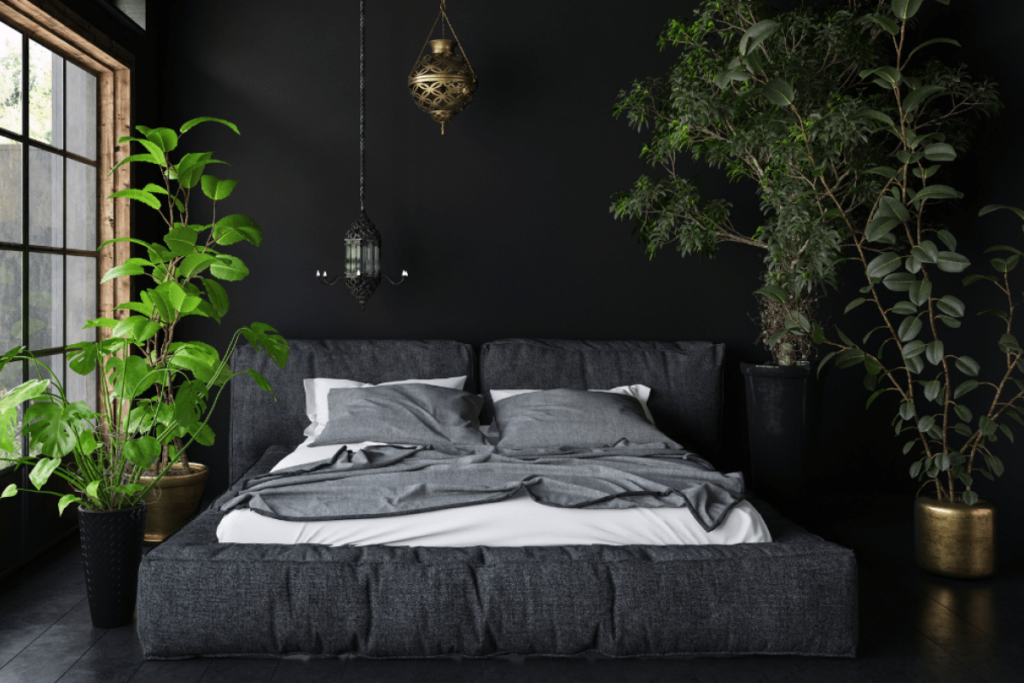
Best Dark Room Plants: Shade-Tolerant vs Shade-Loving Houseplants
All representatives of the world of decorative flora, capable of growing and developing without any problems in conditions of insufficient lighting, are divided by experts into shade-tolerant and shade-loving plants. Understanding the difference between these two categories helps you choose the perfect low-light plants for your home.
- shade-tolerant;
- shade-loving.
Shade-tolerant houseplants are herbs that can grow and develop both in sunny and shaded areas. The low light conditions, as a rule, do not negatively affect either the rate of their growth and development or the decorative effect.
The very forgiving plant usually has broad and smooth leaves arranged in a single plane, called a “leaf mosaic.” With this arrangement, the colorful leaves almost do not obscure each other and can receive the required amount of sunlight. In some shade-tolerant plants growing in indirect light conditions, foliage and stems begin to acquire a brown or purple-red hue.
The color change is explained by the fact that in low light, a special pigment called anthocyanin is produced in the leaves and stems. It is noteworthy that in several other representatives of flowers, foliage in bright light, on the contrary, becomes pale, small, and inconspicuous.
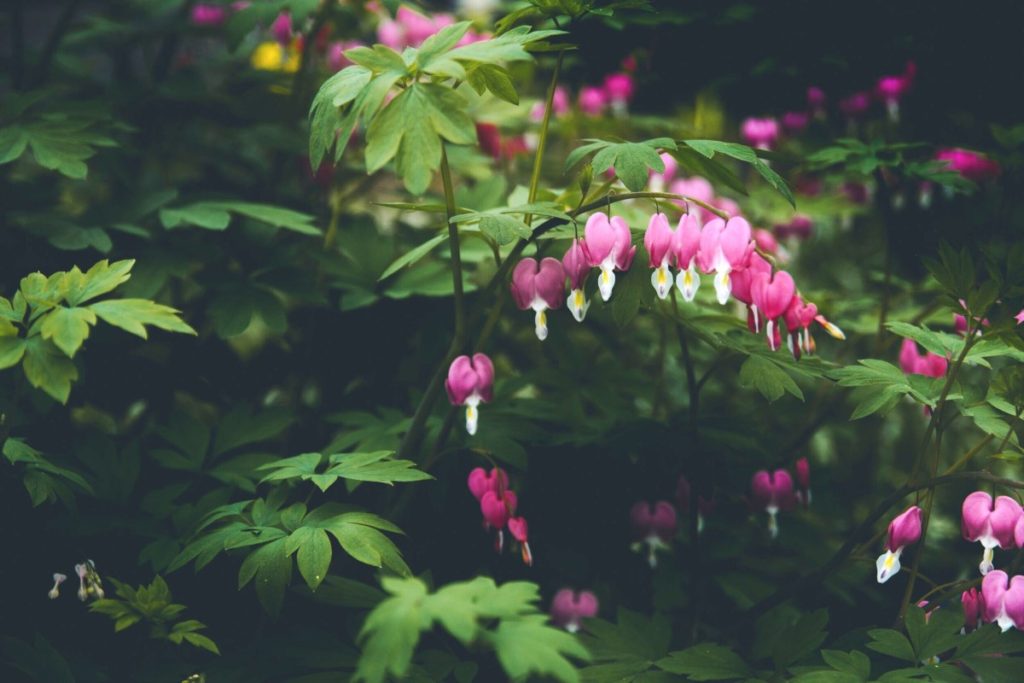
The most famous shade-tolerant houseplants are balsams, some types of begonias and violets, oxalis, zz plant, prayer plants, nerve plants, and peace lily. Shade-tolerant garden shrubs like fuchsia and dicentra also make excellent dark room plants when grown indoors. Shade-loving plants in the wild usually grow in areas where almost no sunlight penetrates.
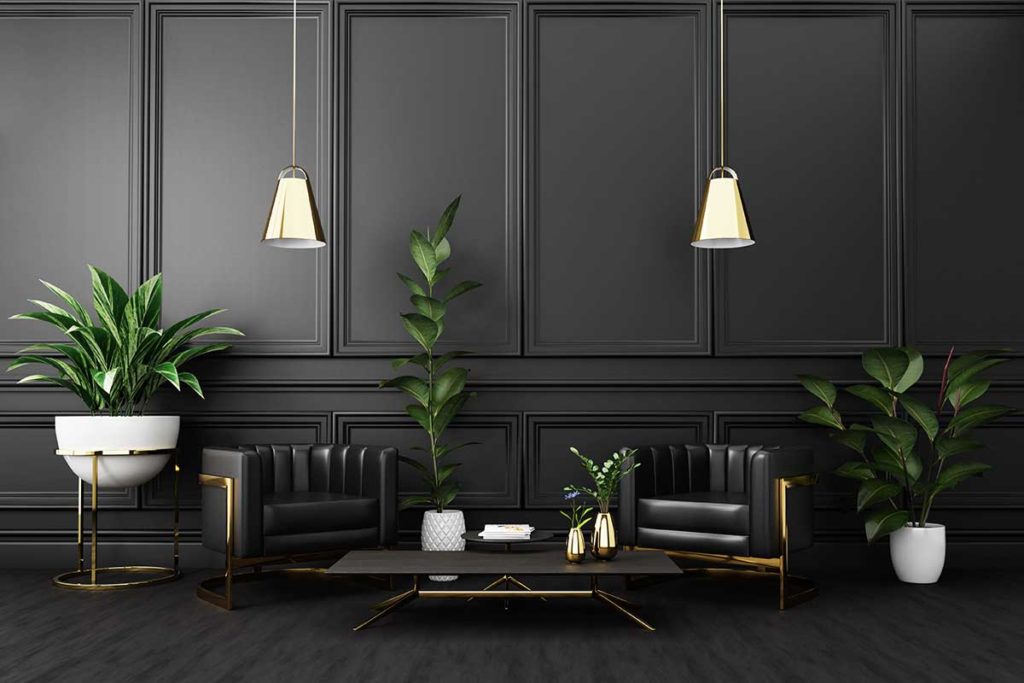
Growing shade-loving plants in open sunny places negatively affects not only their appearance but also their general condition. Direct sunlight causes severe burns on these low-light indoor plants. The most famous herbs are ferns and mosses.
A very interesting representative of shade-loving indoor plants is the dumb cane plant, peace lilies, zz plant, prayer plant, and nerve plant. These dark room plants are distinguished not only by their amazing unpretentiousness but also by their original appearance.
Types of Shade Plants for Dark Rooms: Finding Your Perfect Low-Light Houseplant
Conventionally, the whole variety of home flowers can be divided into several categories based on the characteristics of their structure and development. These categories also consider their requirements for lighting and other conditions of care.
Flowering Dark Room Plants That Thrive in Low Light
Among the shade-tolerant representatives of the decorative flora, there are many tropical plants that, during the flowering period, can radically transform even a very modest interior. These flowering low-light houseplants bring color and life to dark spaces.
Begonias
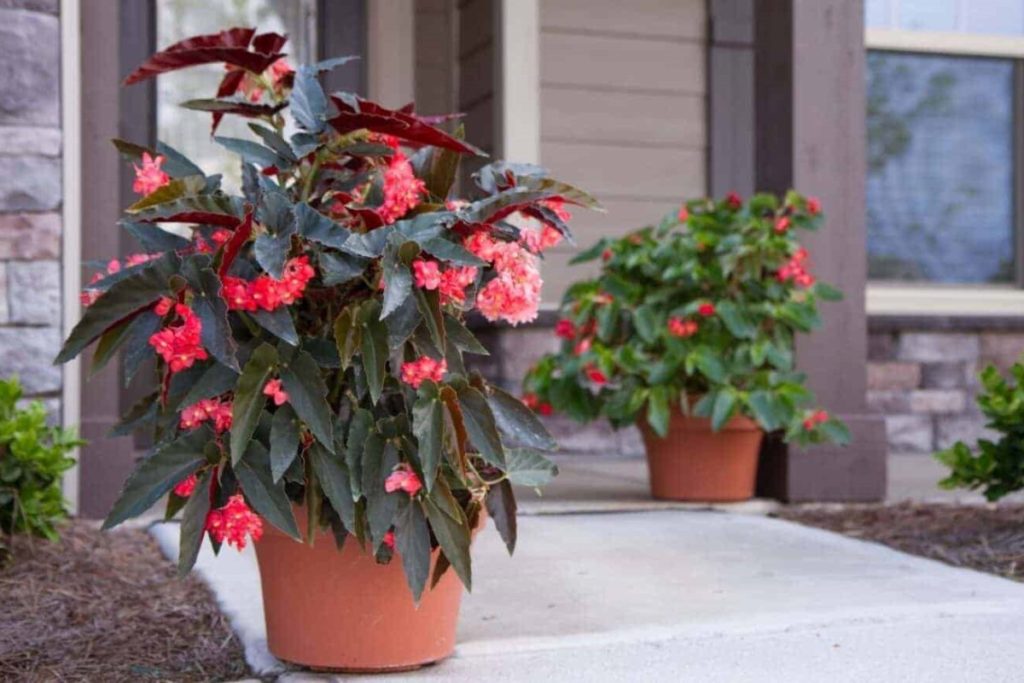
Begonias are very popular and hardy best indoor plants that grow, develop, and bloom best in low light. When grown in bright light, these shade-tolerant houseplants lose their attractiveness and spectacular appearance. Under direct sunlight, the bright patterned leaves of begonias become small, pale, and inconspicuous.
The most popular begonia varieties for dark rooms include Rex, Odorata, Mason, and Drege. These low-light plants are perfect for adding color to shaded areas of your home.
Usambar Violets
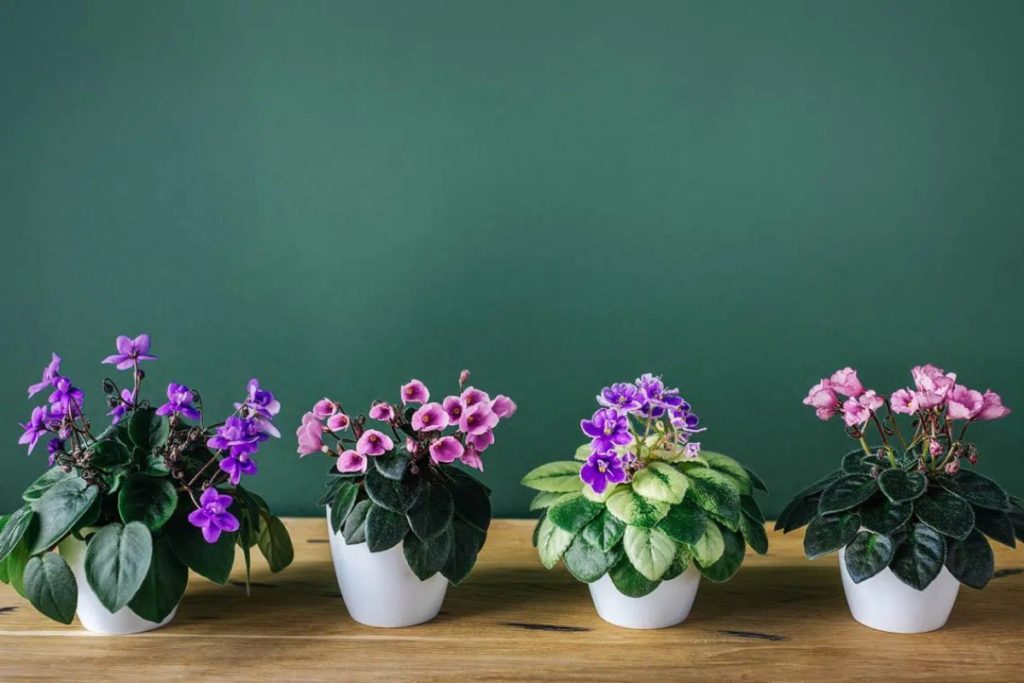
Uzambara violets are beautiful flowering ornamental perennials that are popular with both beginners and experienced growers. Under favorable low-light conditions, these shade-loving plants can bloom a significant part of the year. Experienced flower growers recommend placing saintpaulias on windowsills in the western or eastern part of the house, providing herbs with very soft, diffused lighting.
Anthurium: Tropical Dark Room Plant Needing Indirect Light
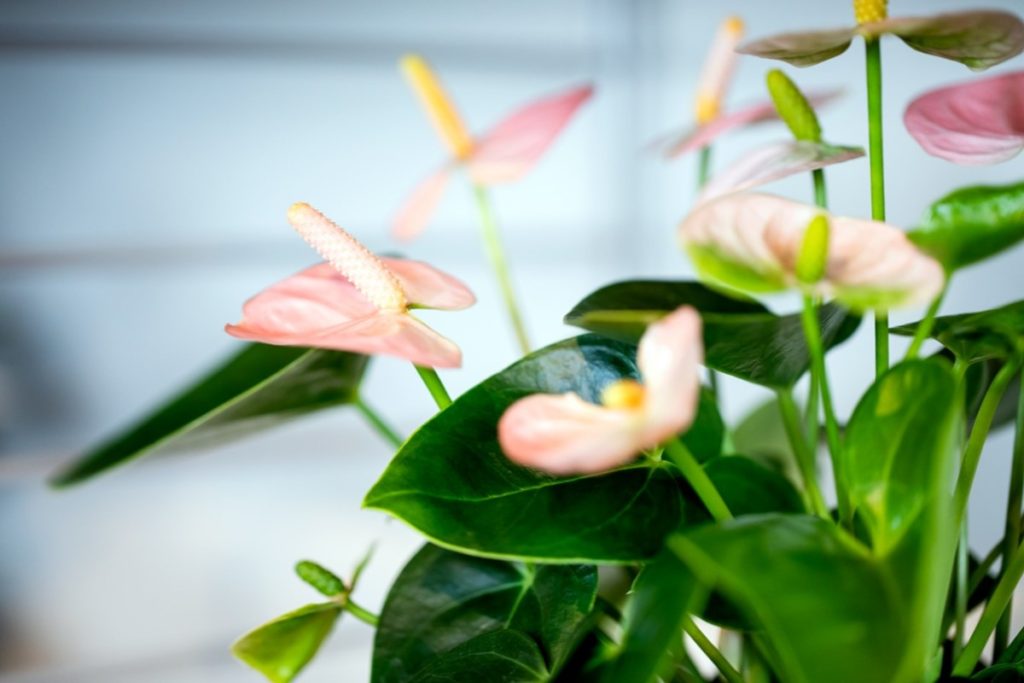
Anthurium is a very spectacular member of the Aroid family, the flowering time of which can reach several weeks. It is considered demanding of indoor growing conditions. For the anthurium to feel good, the air temperature in the room should be maintained at 23°C in summer and 17°C in winter.
Bright indirect light is necessary for full development of this shade-tolerant plant. Anthurium can survive in low light, but under such conditions, it will form rare and not very large flowers.
Clivia: Best Low Light Flowering Houseplant
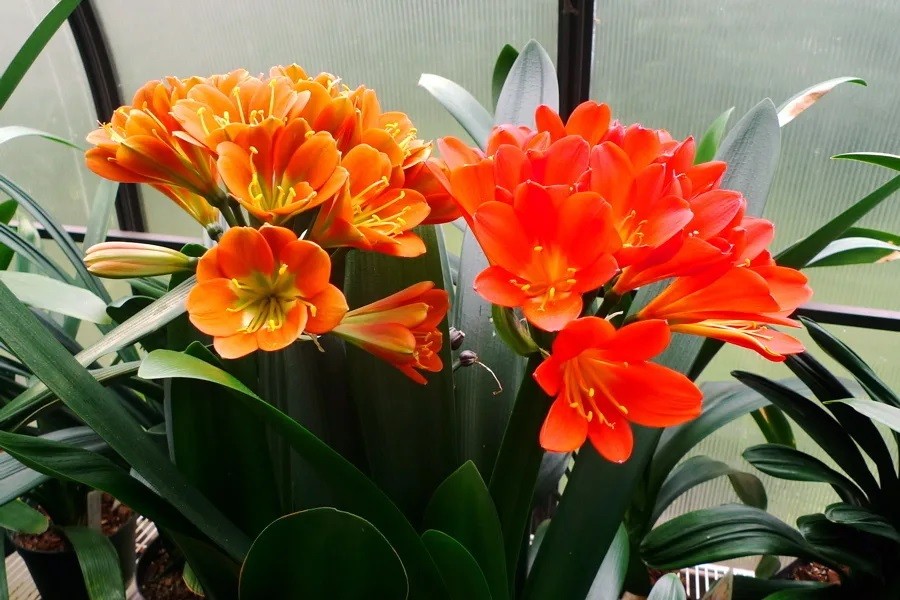
Clivia is an exotic indoor and greenhouse basket plant that blooms twice a year in early spring and late autumn. During the flowering period, clivia forms juicy ribbed peduncles about 27 cm high, making it one of the best dark room plants.
At the same time, from 10 to 25 buds can form on one peduncle. For full development and well-being, it needs warmth, regular watering, and bright indirect light. This plant stores excess water in its thick roots. Under direct sunlight, severe burns form on the bright emerald leaves of clivia, but this low-light houseplant easily tolerates slight shading.
Cyclamen
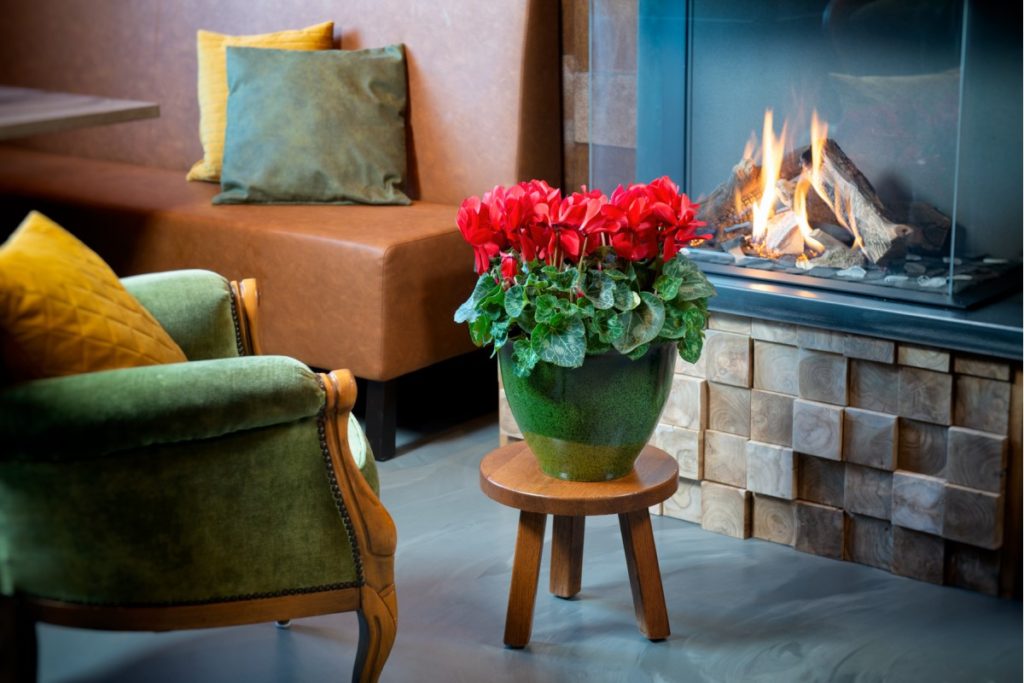
Cyclamen is an unpretentious shade-tolerant indoor plant, valued for its low-maintenance care requirements and very spectacular flowering. This dark room plant does not tolerate direct sunlight and prefers bright indirect light. Cyclamen flowers are large, solitary, and shaped like bells or butterfly silhouettes.
The color of the flowers varies from white-pink to maroon and purple-violet. The most popular varieties for low-light conditions are Persian, Cypriot, and Kos cyclamen.
Fuchsia
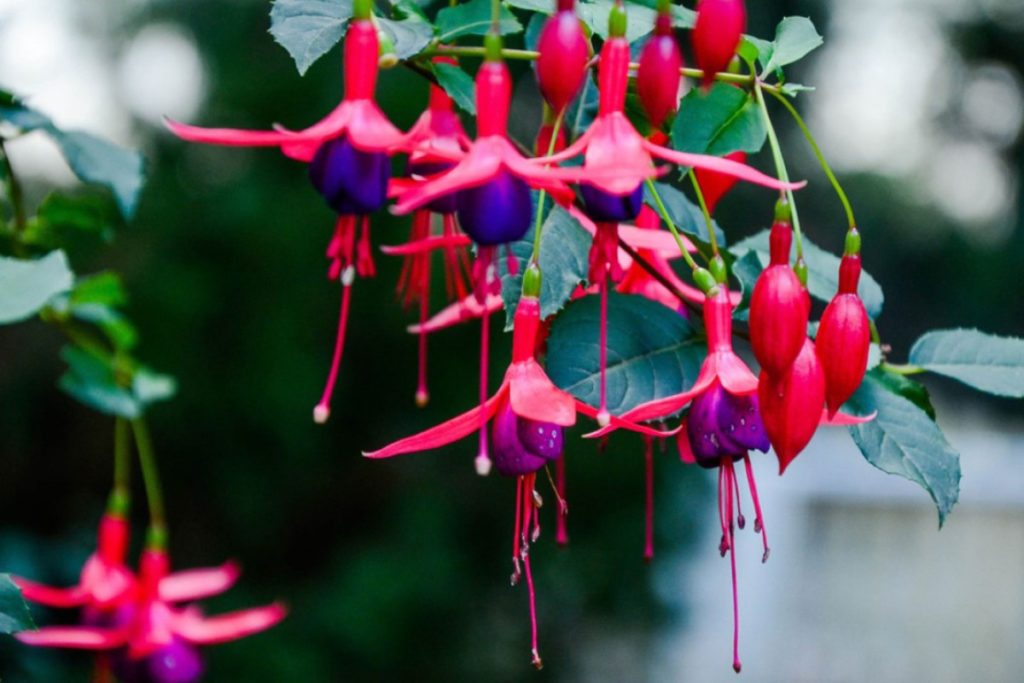
Fuchsia is a beautiful flowering indoor perennial, valued for its abundant and long flowering period. Although it is considered light-loving, this shade-tolerant houseplant can develop perfectly and bloom profusely in low light and bright indirect light, making it ideal for dark rooms.
The flower color varies from creamy pink to crimson red and lilac purple. Very popular in indoor crop production are two-color large-flowered fuchsias that thrive as low-light plants.
Dicentra