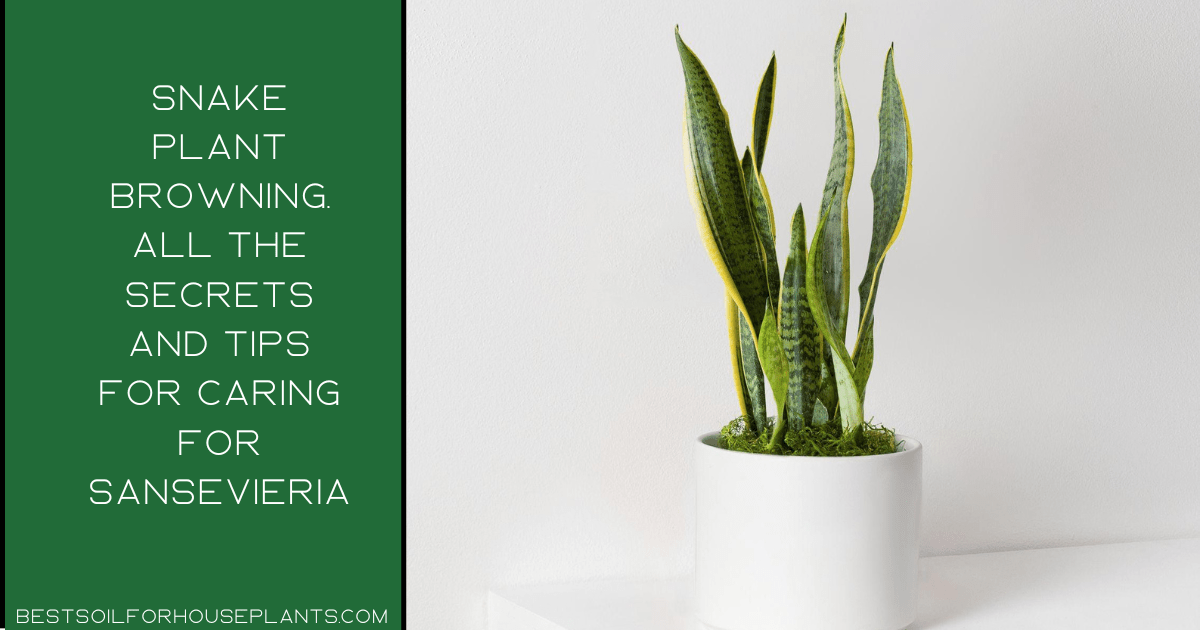
Snake plants are ornamental leafy houseplants, also known as Sansevieria, pike tail, leopard lily, and mother-in-law’s tongue. Understanding snake plant browning is essential for keeping these resilient plants healthy and thriving in your indoor garden.
Snake plants look most impressive in group plantings, which is why many gardeners choose to plant multiple specimens in one pot. This creates a stunning focal point while maximizing space efficiency.
Snake Plant Characteristics and Growing Features
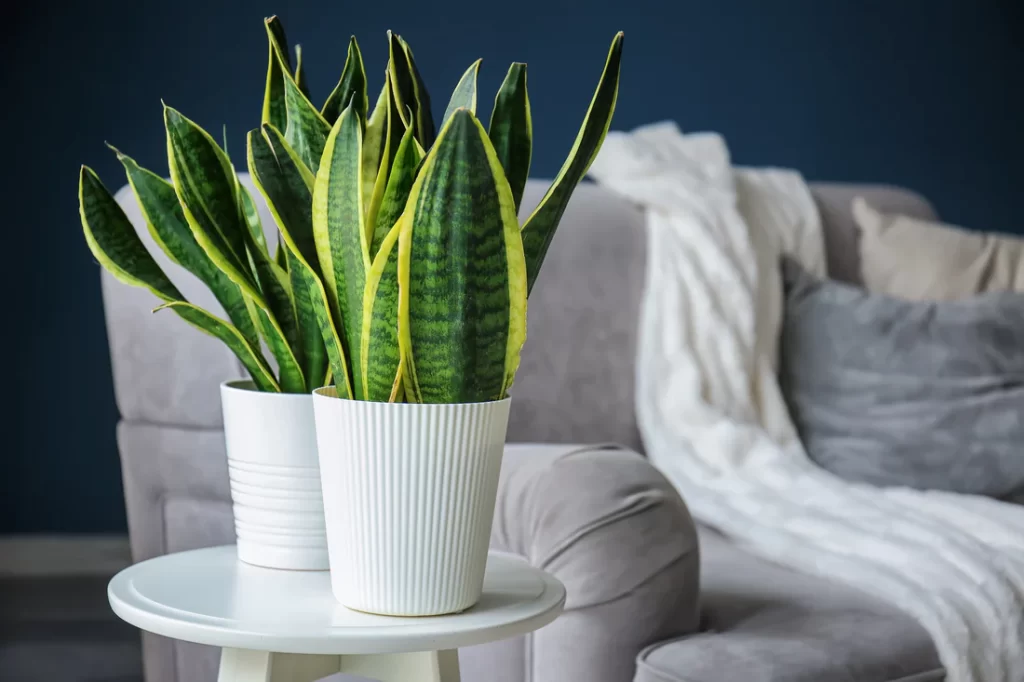
The most distinctive feature of snake plants is their stemless growth pattern. Spring is the optimal growing season for snake plant.
These houseplants produce broad, sword-shaped leaves that taper toward the top and emerge from a central rosette. The leaves grow vertically, reaching upward in a striking architectural display.
Therefore, a solid bush really resembles pike tails stuck in the ground.
Leaf height varies significantly depending on the specific variety. Some snake plants develop leaves reaching one meter tall, while dwarf varieties produce numerous short leaves clustered tightly together from a single growing point.
Popular Snake Plant Varieties and Types
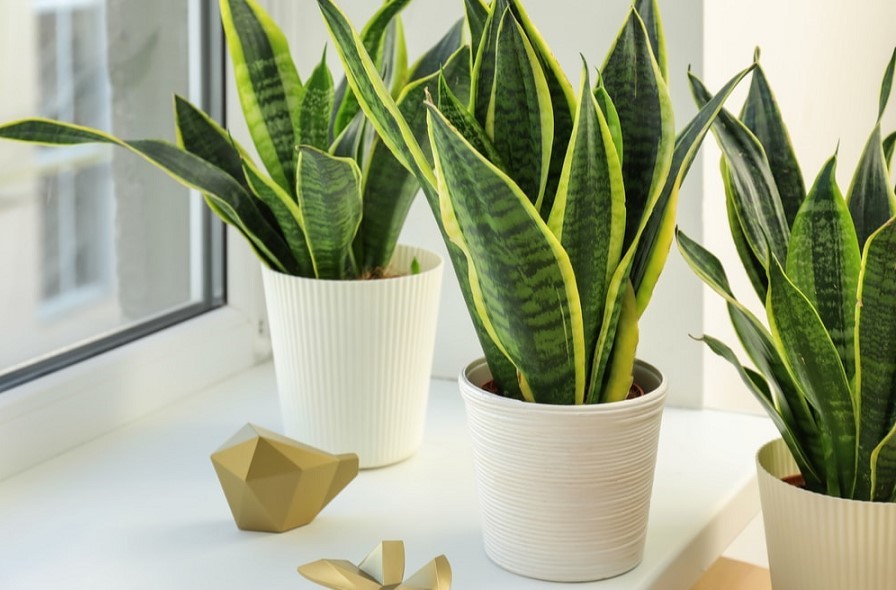
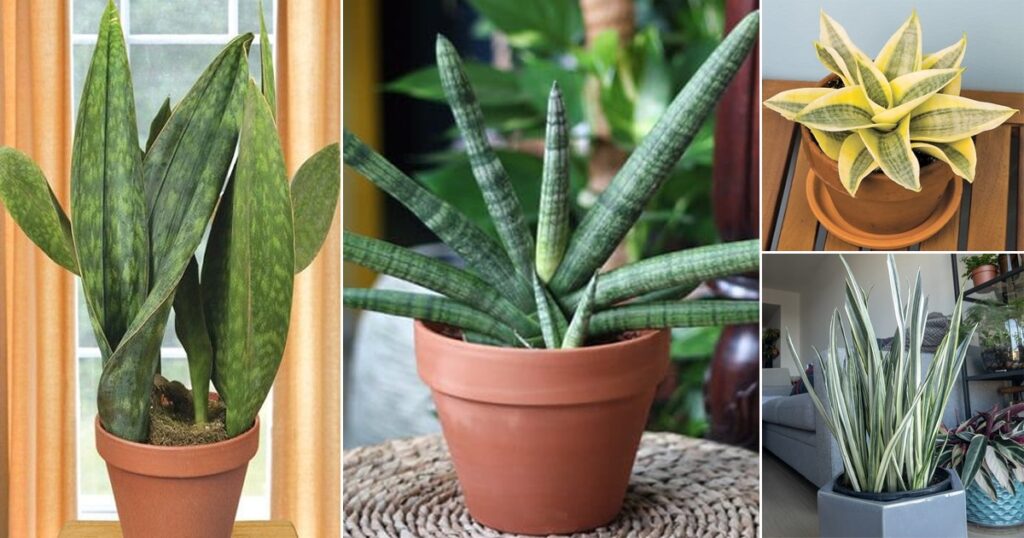
Science has identified approximately sixty varieties of Sansevieria, each displaying unique characteristics in leaf shape, color patterns, and length. Only about ten varieties are commonly cultivated as indoor houseplants.
- Sansevieria gracilis (Graceful Snake Plant): A perennial succulent with fleshy, erect leaves growing from a thick 5-6 centimeter stem. The dense, rectangular leaf plates feature bluish-green coloring decorated with transverse cream-colored fuzzy spots.
- Sansevieria Hyacinthoides (Hyacinth Snake Plant): This variety reaches 50 centimeters tall with erect, fleshy leaves emerging in groups of 3-4 from each rosette. Leaf dimensions range from 15-40 centimeters long and 6-8 centimeters wide, displaying swamp-green coloring with angular lighter patterns and narrow white or pink edging.
- Underwatering and low humidity are the primary causes of brown tips on snake plant leaves, affecting overall plant health and appearance.
- Sansevieria Dooneri: A succulent variety featuring large basal rosettes producing two dozen vertical leathery leaves. These leaves reach 35-40 centimeters in length but only 2-3 centimeters in width, displaying rich green backgrounds with darker geometric patterns.
- Sansevieria Kirkii (Kirk’s Snake Plant): Distinguished by sparse rosettes with relatively thin green leaves featuring white spots and brown-burgundy borders. Some cultivars display entirely brown leaves or reddish-brown leaf coloring.
How to Prevent and Fix Snake Plant Browning Problems
Optimal Light Placement for Snake Plants
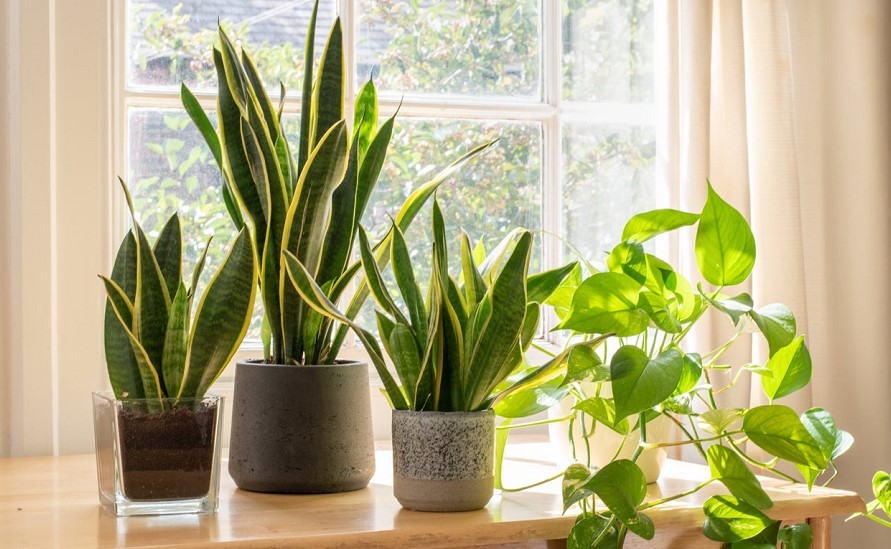
Southwest and southeast-facing window sills provide ideal lighting conditions for snake plants. These hardy houseplants tolerate both direct sun and darkened rooms, though insufficient light prevents flowering.
With adequate sunlight exposure, snake plants develop strong, large leaves with vibrant coloring and may produce elongated flower stalks bearing small white blooms with delicate fragrance.
Green-leaved varieties can safely develop in shaded environments. However, providing 2-3 months of annual sun exposure ensures continued growth and new leaf formation, preventing common browning issues.
Ideal Temperature Range for Snake Plants
Snake plants thrive in consistent year-round temperatures between 60°F – 77°F, making them excellent indoor houseplants for most homes.
It is curious that the snake plant does not have a dormant period—it can develop all year round.
To encourage flowering, allow snake plants to rest in cooler conditions for one month. Extended cold exposure beyond this period can trigger root rot and leaf browning issues, so return plants to warm conditions promptly.
Proper Watering Schedule to Prevent Brown Leaves
When an underwatered plant receives sudden excess water, this shock can trigger leaf browning and stress symptoms.
Snake plants tolerate irregular watering and dry conditions exceptionally well. Avoid spraying leaves, as excessive watering causes root decay and brown spots. Sap-sucking pests damage leaves, causing dehydration and browning.
Water abundantly once weekly during summer months and reduce to monthly watering during winter rest periods. Always monitor soil dryness before watering to prevent overwatering problems.
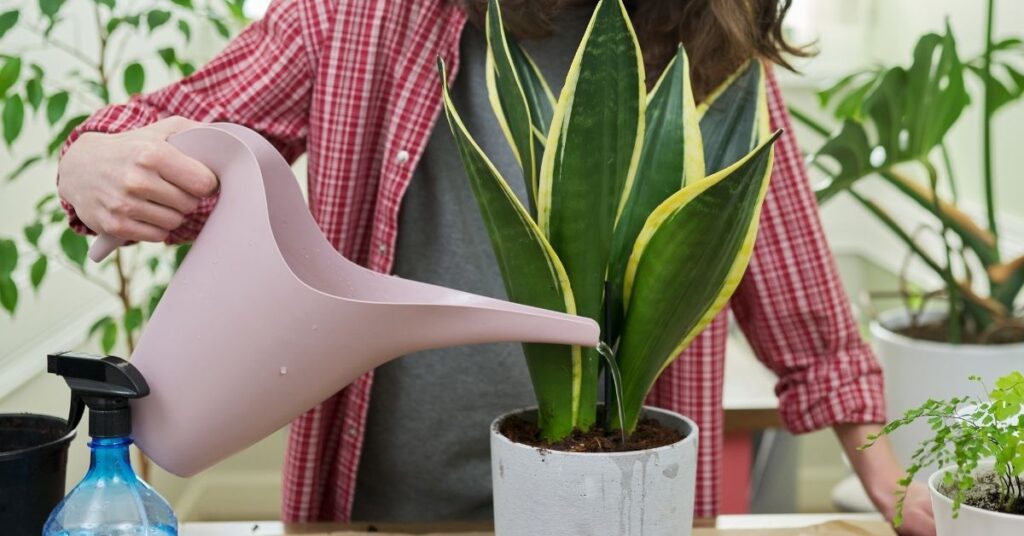
Direct water toward pot edges using a watering can, keeping water away from the central rosette. Ensure pots have adequate drainage holes to prevent waterlogging. Wet brown areas with white thread-like growths indicate fungal infections like southern blight. Remember that overwatering is the leading cause of snake plant death.
Snake Plant Hygiene and Maintenance
Large snake plant leaves accumulate dust quickly, requiring cleaning with a damp cloth every 2-3 weeks. Use clean, sharp pruning shears to remove damaged or brown leaves at the base of the plant.
Overwatered snake plants develop root rot situations that attract pests like spider mites and mealybugs. Pests often transfer from other infected houseplants, causing additional browning and damage.
Best Soil Mix for Snake Plants
Snake plants require low-nutrient, well-draining potting mix for optimal health. Purchase ready-made succulent substrate or create your own mixture using potting mix and sandy soil in a 2:1 ratio.
Choosing the Right Pot to Prevent Browning
Select shallow, wide pots to accommodate snake plant rhizomes that spread horizontally. Excess fertilizer causes nitrogen burn, resulting in brown leaves and damaged tips.
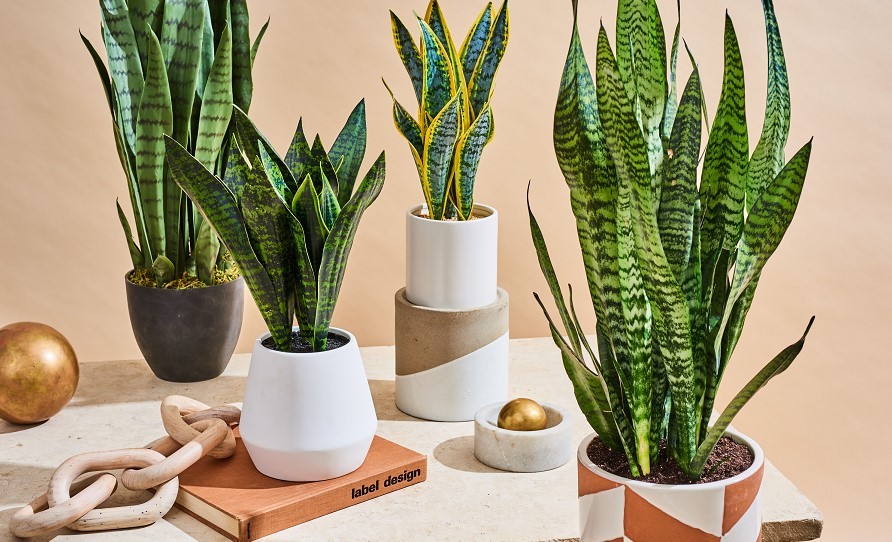
Snake plants grow well in clay, plastic, and ceramic containers. However, thick-walled clay or ceramic pots are superior choices, as plastic containers may crack under pressure from powerful snake plant roots.
Monitor your snake plant leaves for brown discoloration caused by over-fertilization, adjusting your fertilizer schedule accordingly to prevent further damage.
Snake Plant Propagation Methods
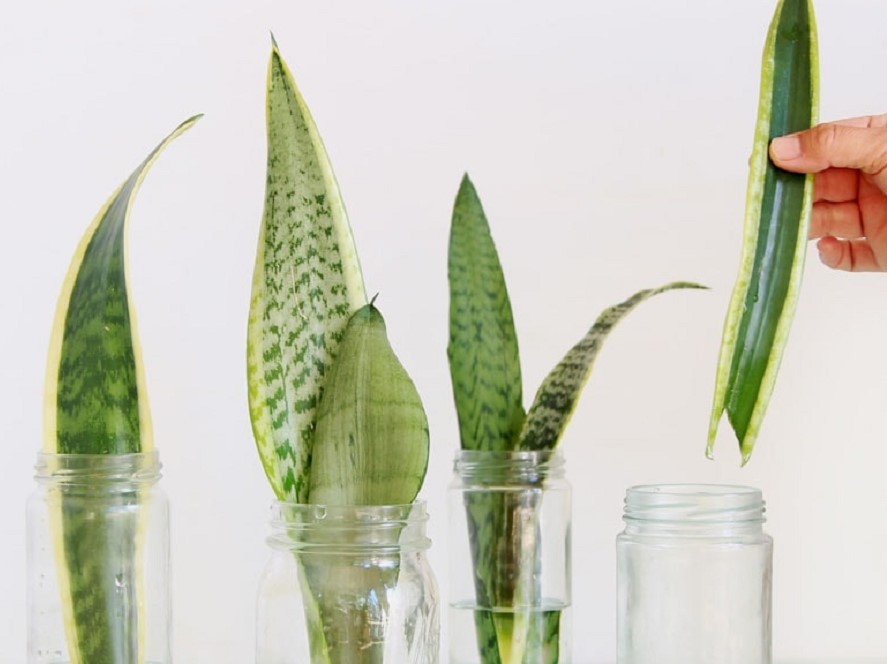
Propagate snake plants in early spring for best results. Remove the adult plant from its container and carefully divide into 3-4 sections using a sharp, disinfected knife, ensuring each division has a growth point.
Treat cut surfaces with crushed charcoal for disinfection purposes. Plant separated divisions in sandy soil, maintaining warm temperatures with moderate watering frequency. New shoot emergence indicates successful rooting, allowing transplantation into permanent containers.