
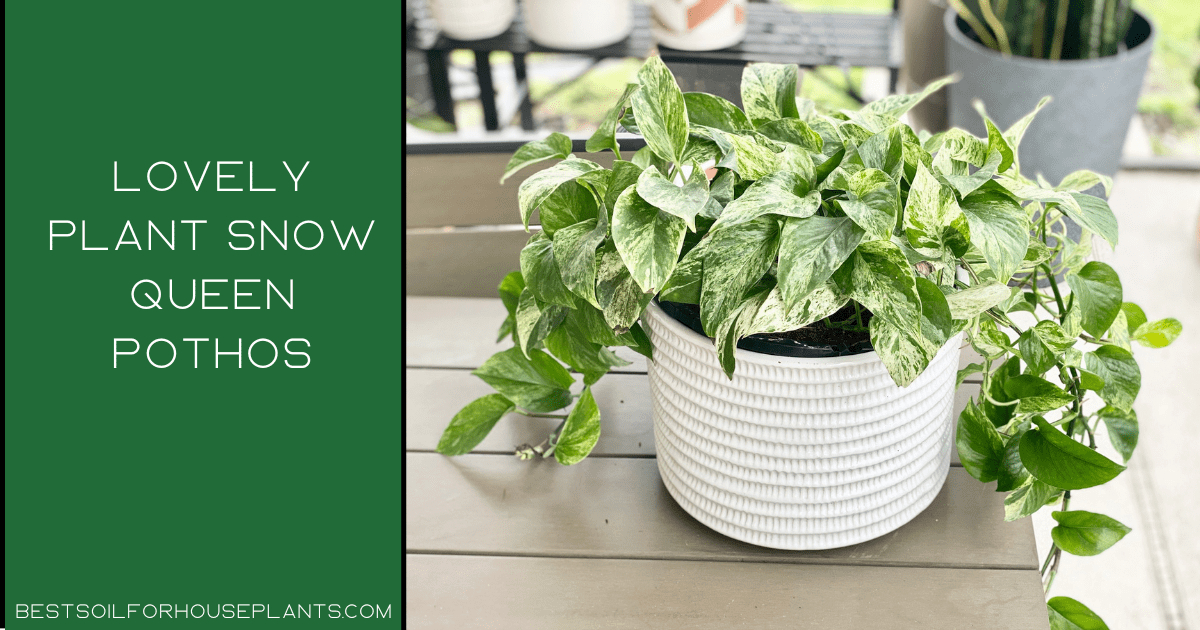
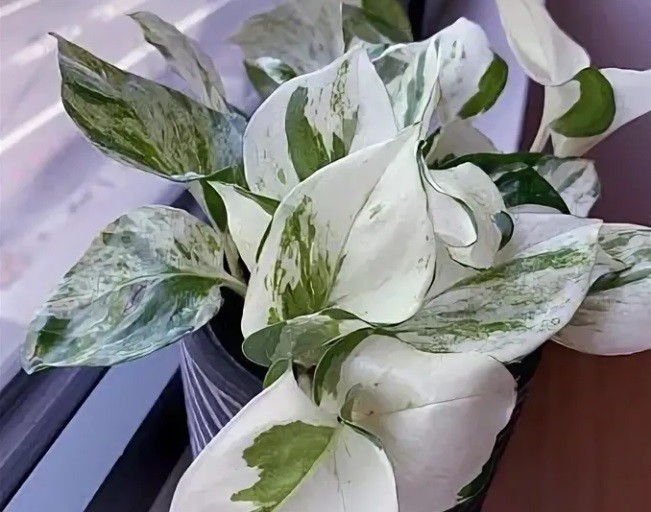
Snow Queen pothos is a stunning variety of epipremnum aureum that has gained massive popularity among indoor plant enthusiasts. This comprehensive guide will help you understand everything about growing and caring for this beautiful, low-maintenance houseplant with distinctive white variegation.
This evergreen tropical houseplant features heart-shaped green leathery leaves adorned with striking white variegation. As a vigorous climbing vine, it can grow over 1 meter in length, making it perfect for hanging baskets or tall plant stands. Snow Queen pothos is highly effective at purifying indoor air by removing harmful chemicals like xylene, formaldehyde, and benzene. Proper drainage is essential for this plant’s health and longevity.
When purchasing your Snow Queen pothos, inspect the drainage holes in the pot and check under the leaves for any signs of pests. Consider the lighting conditions in your home before bringing it home. Follow the detailed care instructions below to ensure your pothos thrives.
Snow Queen Pothos Origins and Natural Habitat
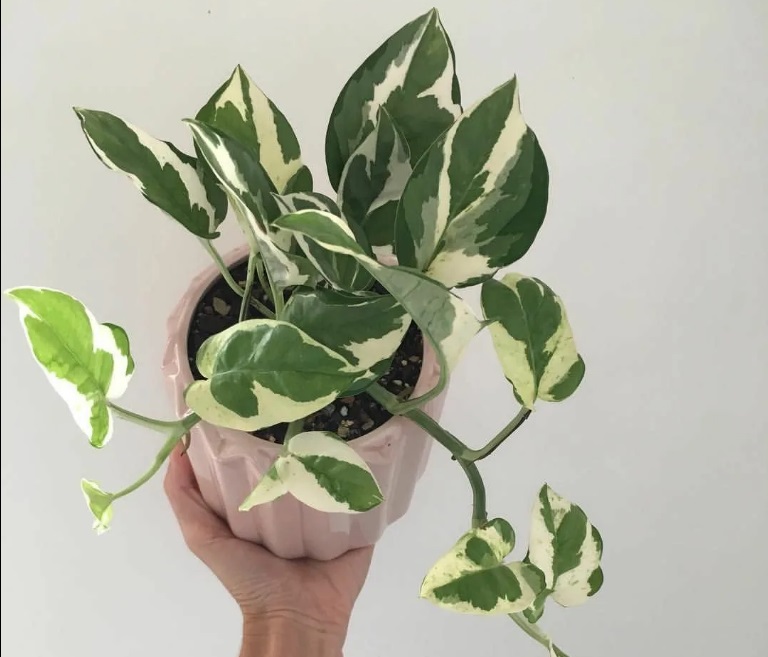
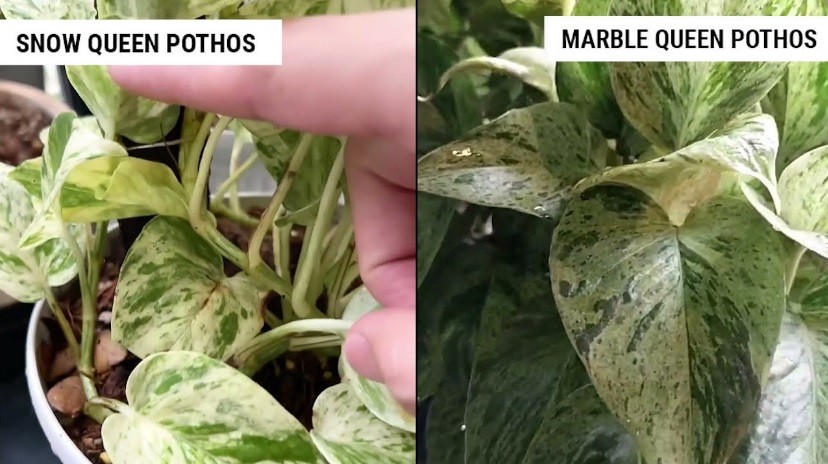
Native to Southeast Asia, the Snow Queen pothos belongs to the pothos family of tropical climbing plants. This cultivar is a unique hybrid prized for its exceptional white variegation covering most of the leaf surface. The heavily variegated leaves display abundant white patches, spots, and speckles that distinguish it from other pothos varieties. The Marble Queen pothos is often confused with Snow Queen, so understanding the differences is important for proper identification and care.
Snow Queen Pothos vs Marble Queen Pothos: Key Differences Explained
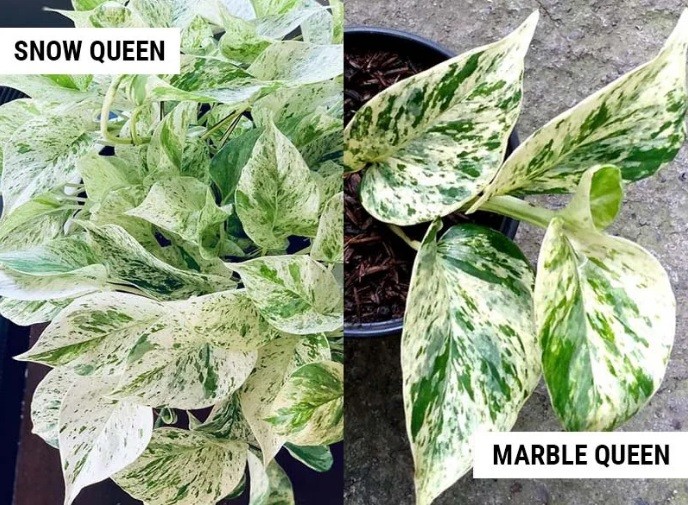
For beginner plant parents, distinguishing between Snow Queen and Marble Queen pothos can be challenging due to their similar appearance. The most reliable identification method is examining the variegation pattern and color distribution on the leaves carefully.
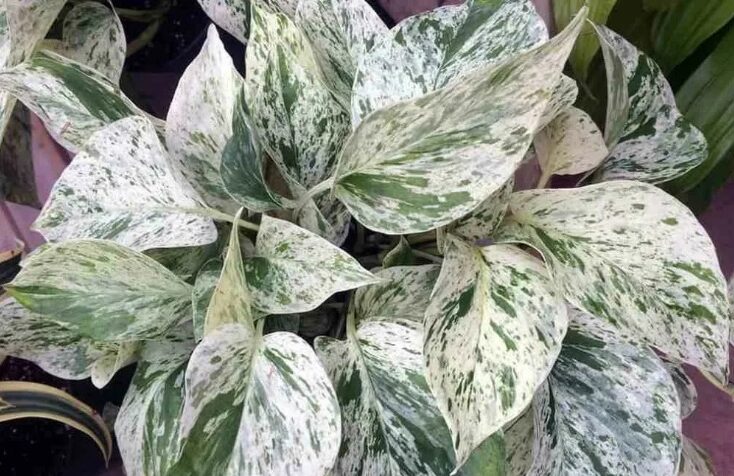
Marble Queen pothos displays green and cream-colored marbled leaves with a balanced 50-50 ratio of green to white variegation. In lower light conditions, Marble Queen leaves develop more green coloration. Snow Queen pothos exhibits predominantly white leaves with minimal green variegation, often showing 80% white and only 20% green. Due to reduced chlorophyll content compared to Marble Queen, Snow Queen pothos grows slower but maintains brighter white coloration.
The slower growth rate of Snow Queen pothos makes it ideal for small spaces and compact indoor gardens.
Both varieties share the same parent plant species and genus, epipremnum aureum, meaning their basic care requirements and growing conditions are nearly identical.
Common Pests and Diseases Affecting Snow Queen and Marble Queen Pothos
If you notice signs of illness or pest infestation on your Snow Queen pothos, immediately quarantine it from other houseplants to prevent disease spread. Both Snow Queen and Marble Queen pothos are susceptible to common indoor plant pests including spider mites, scale insects, aphids, mealybugs, and thrips. Root rot is another serious concern that develops from chronic overwatering and poor drainage.
Snow Queen Pothos Toxicity: Important Safety Information
Unfortunately, all pothos varieties including Snow Queen contain calcium oxalate crystals, which are toxic to pets and humans when ingested. Keep this houseplant out of reach of cats, dogs, and small children to prevent accidental poisoning. Symptoms of pothos ingestion include mouth irritation, excessive drooling, vomiting, and difficulty swallowing.
Complete Snow Queen Pothos Care Guide for Beginners
Snow Queen pothos has minimal care requirements, making it an excellent choice for beginner gardeners, busy adults, and even children learning about plant care. This forgiving houseplant tolerates low water conditions and doesn’t require direct sunlight. Let’s explore the essential Snow Queen pothos care requirements in detail.
Optimal Light Requirements for Snow Queen Pothos
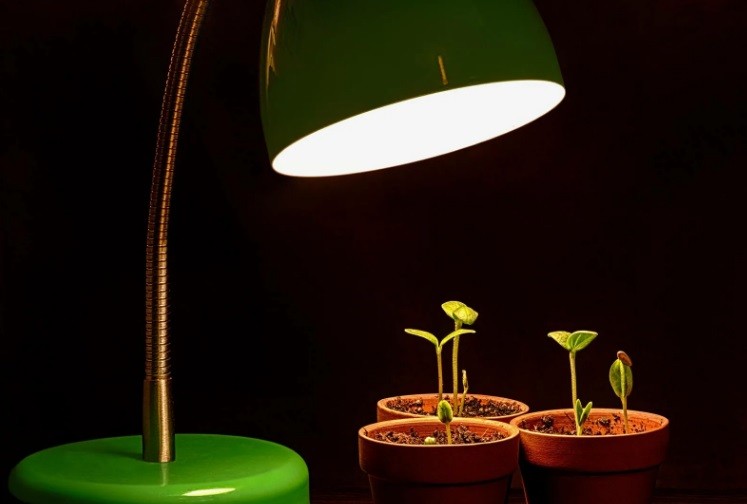
Without adequate bright indirect light, Snow Queen pothos will lose its signature white variegation. The white portions of leaves lack chlorophyll needed for photosynthesis and energy production. Insufficient lighting causes the plant to produce more chlorophyll, reverting white areas back to green.
Unlike other pothos varieties that tolerate low light conditions well, Snow Queen pothos requires more illumination to maintain its striking appearance. Keep your plant away from harsh direct sunlight that can scorch the delicate white foliage. Snow Queen pothos needs approximately 4-6 hours of bright indirect light daily for optimal growth and variegation.
Best Water Type and Watering Schedule for Snow Queen Pothos
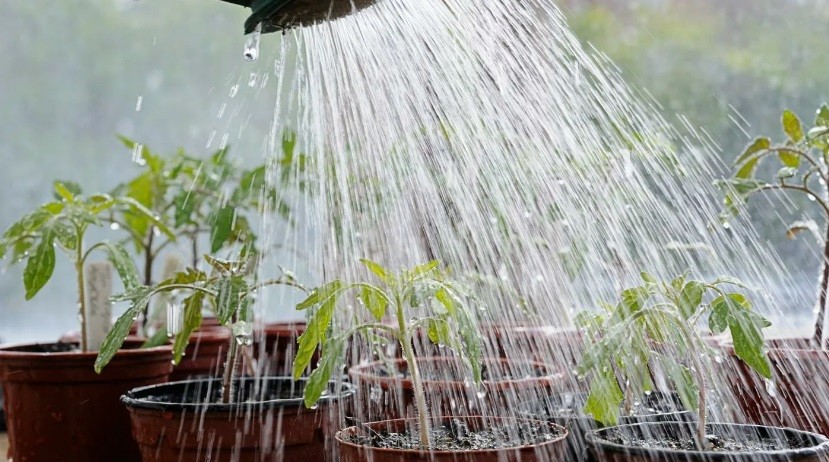
Water quality significantly impacts your Snow Queen pothos health. Always use chemical-free water without chlorine, fluoride, or heavy minerals. Avoid tap water that may contain harmful additives. Use filtered water, distilled water, or collected rainwater for best results.
Overwatering is one of the most common causes of Snow Queen pothos problems. Water thoroughly until excess drains from the bottom holes, then wait 3-4 weeks before the next watering. Establish your own watering schedule based on your home’s humidity and temperature. Always allow soil to dry completely between waterings to prevent root rot.
Ideal Temperature and Humidity Levels for Snow Queen Pothos
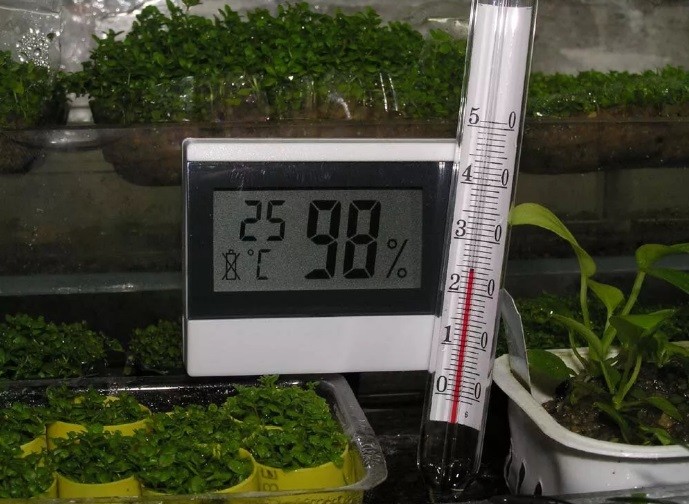
Snow Queen pothos thrives in typical household humidity levels and temperatures ranging from 60-85 degrees Fahrenheit. Higher humidity combined with proper lighting and stable temperatures helps preserve the brilliant white variegation.
Maintain optimal humidity for Snow Queen pothos by using a humidifier near your plant. Alternatively, mist the foliage with a spray bottle once or twice weekly, or place your pothos in a naturally humid bathroom with adequate light.
Best Soil Mix for Snow Queen Pothos
Snow Queen pothos requires well-draining, aerated potting soil to prevent root rot and promote healthy growth. The ideal soil pH ranges from 6.0 to 6.5. You can purchase quality pothos soil mix from garden centers or create your own blend. Essential soil components include perlite for drainage, peat moss for moisture retention, and vermiculite for aeration.
Fertilizing Snow Queen Pothos for Optimal Growth
High-quality nutrient-rich potting soil often provides sufficient nutrition, meaning Snow Queen pothos doesn’t require frequent fertilization. Apply a balanced liquid fertilizer containing nitrogen, phosphorus, and potassium once monthly during the active growing season in spring and summer. Avoid fertilizing during fall and winter when the plant enters dormancy.
How to Prune Snow Queen Pothos Properly
While not mandatory, pruning helps control size and encourages bushier growth in Snow Queen pothos plants. The best time for pruning is spring or early summer during the active growing phase.
Use clean, sharp scissors to remove yellowing leaves and trim long trailing vines to promote fuller growth. Pinch back stem tips to encourage branching. Save healthy cuttings for propagation by rooting them in water before planting in soil to create new bushy Snow Queen pothos plants.
Easy Snow Queen Pothos Propagation Methods
Snow Queen pothos propagates easily through stem cuttings, making it simple to expand your collection. Use sharp, sterilized scissors to take cuttings with 3-4 nodes, which are the small bumps along stems where leaves and roots emerge.
Remove lower leaves leaving 1-2 nodes exposed, then place the cutting in clean water with nodes submerged and leaves above the waterline. Keep away from direct sunlight and refresh the water weekly. Ensure all growth nodes remain underwater.
Once roots develop to 2-3 inches long, transplant your cutting into well-draining potting soil in bright indirect light. Water regularly during the acclimation period, which typically takes one month for roots to establish in soil.
Common Snow Queen Pothos Problems and Solutions
Snow Queen pothos may experience several common growing problems. Here are the most frequent issues and how to resolve them.
Temperature Stress and Environmental Changes
The ideal temperature range for Snow Queen pothos is 65-85 degrees Fahrenheit. Heating vents, air conditioners, and cold drafts cause plant stress and damage. Relocate your pothos away from temperature extremes and air flow sources.