
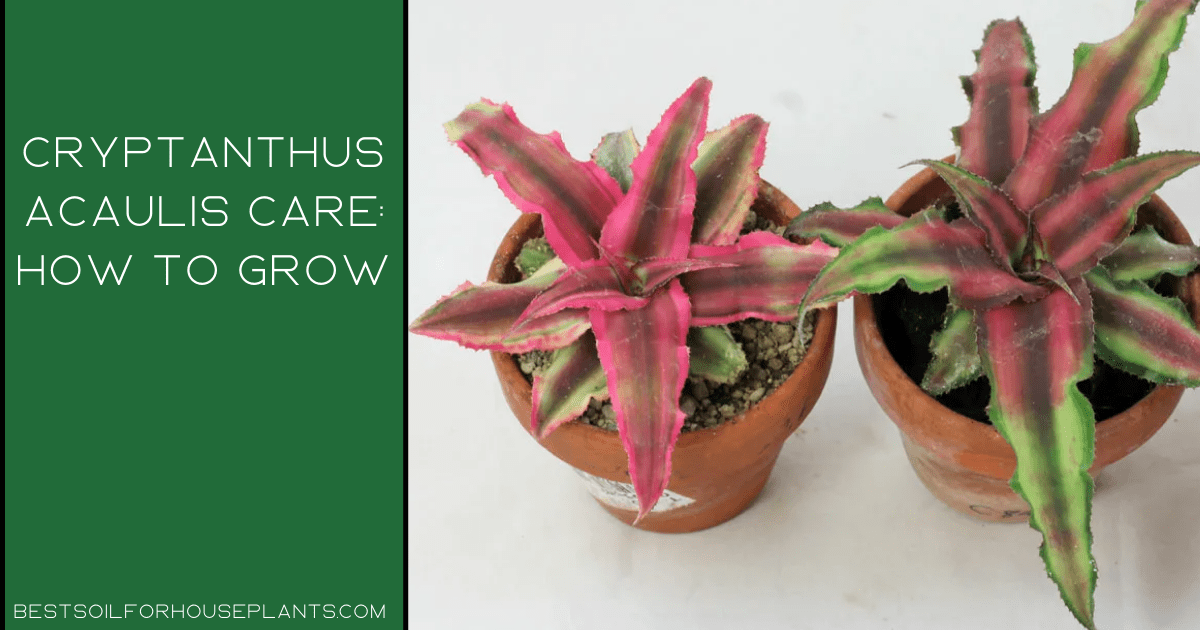
Many gardeners and summer residents can enhance their indoor space with cryptanthus (Cryptanthus acaulis), a stunning bromeliad from the Bromeliaceae family. This stemless houseplant features elongated leaves arranged in a small flat rosette, earning it the popular nickname “earth star.” While commonly grown indoors in Europe and America, cryptanthus also thrives in its natural Brazilian habitat.
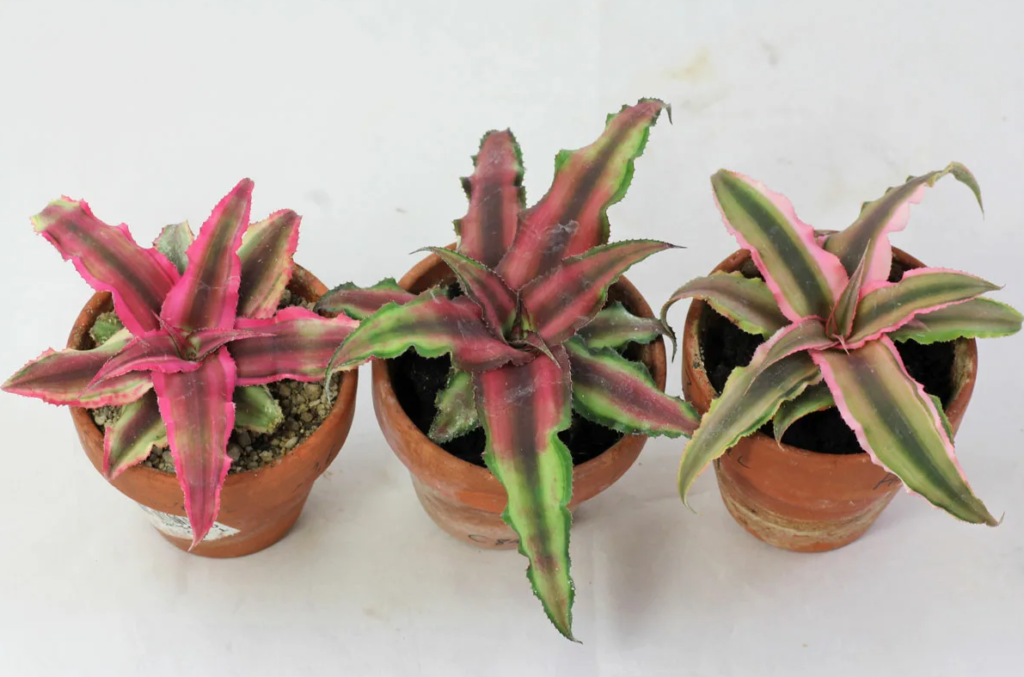
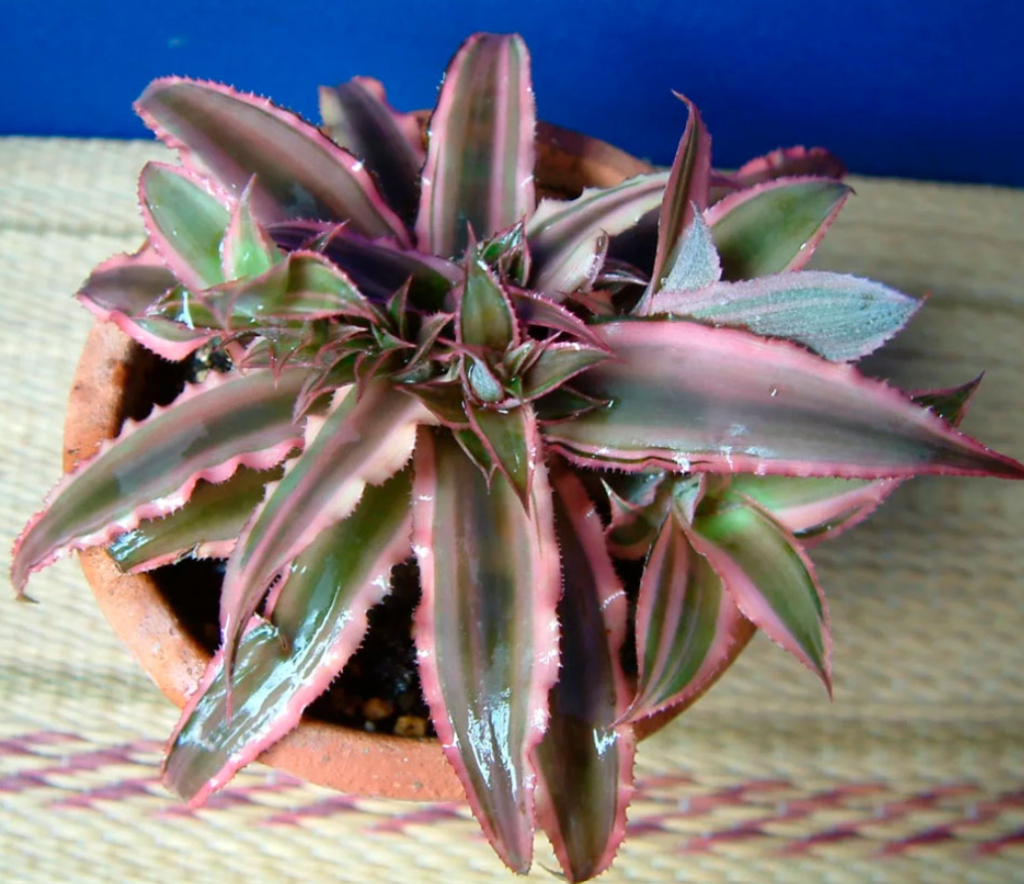
The cryptanthus acaulis leaves are quite long and wide at the base, becoming narrower towards the tips with characteristically wavy edges. These colorful leaves display stunning shades of brown-red, white, green, pink, or yellow. Indoor gardeners particularly appreciate varieties with patterned or striped foliage that add visual interest to any plant collection.
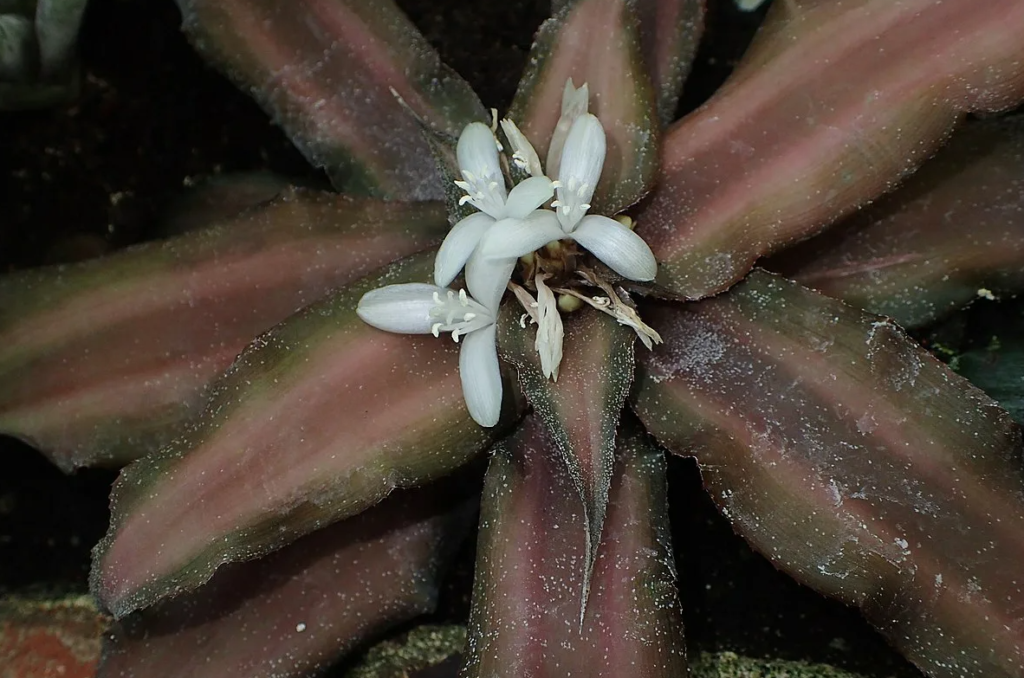
Small inflorescences appear within the leaf rosette during the blooming period. After flowering ends, the mother plant naturally dies back, but new growth emerges through numerous offsets or pups that develop nearby. Cryptanthus acaulis stands out from other bromeliad varieties with its well-developed shallow root system requiring nutrient-rich soil and compact, powerful leaf rosettes.
Growing Cryptanthus Acaulis as an Indoor Houseplant
Cryptanthus acaulis is exceptionally popular for indoor cultivation and adapts beautifully to home environments. This earth star plant has no stem or only a very short one, with pointed, narrow-lanceolate leathery leaves featuring distinctive wavy edges. The leaves can reach up to 20 cm in length and display small sharp teeth along the margins.
The attractive green foliage often showcases lighter-colored stripes, while some varieties feature stunning green-pink leaves. The plant produces delicate white flowers that add to its ornamental appeal.
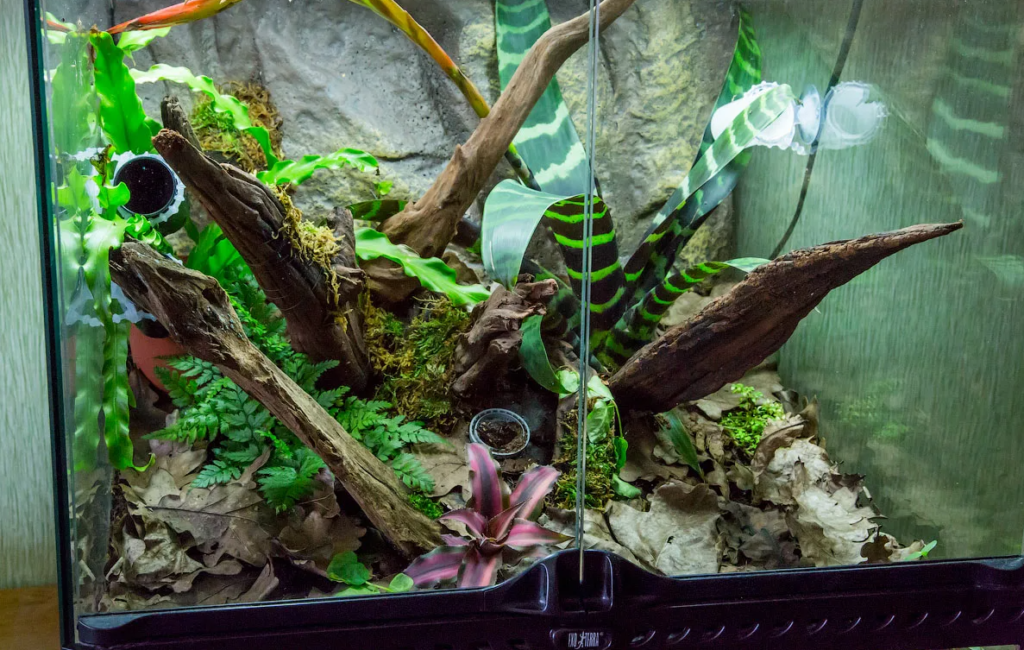
For optimal growth in room conditions, it’s recommended to place cryptanthus acaulis in a half-closed or closed glass container, such as a terrarium or florarium. This moisture-loving bromeliad also makes an excellent addition to miniature bottle gardens combined with other humidity-loving houseplants.
Is Cryptanthus Acaulis a Succulent Plant?
No, cryptanthus acaulis is not a succulent but rather a terrestrial bromeliad that grows on the ground. Bromeliads originate from South American rainforests where most species grow in tree crotches and limbs. However, cryptanthus acaulis is unique among bromeliads as it anchors its roots into the forest floor rather than growing epiphytically.
Complete Cryptanthus Acaulis Care Guide: How to Grow Earth Star Plant
Proper Lighting Requirements for Cryptanthus Acaulis
Cryptanthus acaulis adapts to various lighting conditions at home, except direct sunlight which can cause leaf burn. During periods of short daylight hours, provide supplemental illumination using fluorescent grow lights. Bright, indirect light enhances the unusual patterns and vibrant colors on cryptanthus acaulis leaves, making them even more visually striking.
Optimal Temperature Range for Earth Star Plants
Cryptanthus acaulis thrives in warm conditions with temperatures of 22-24°C during summer months and 18-20°C throughout autumn and winter. While the plant can briefly tolerate temperatures as low as 15°C, this is not recommended for healthy growth. Avoid temperature fluctuations and drafts as these can stress this tropical bromeliad houseplant.
Maintaining Ideal Humidity Levels for Cryptanthus
High humidity similar to greenhouse or terrarium conditions is ideal for growing cryptanthus acaulis successfully. Maintain optimal moisture levels through daily misting with a spray bottle and gently wiping leaves with a damp cloth. These moisture-loving bromeliads truly flourish in humid environments.
As an additional humidity boost, place the plant pot on a tray filled with wet expanded clay, ensuring the bottom doesn’t touch the water directly. Insufficient air humidity causes leaf tip browning and drying. Trim affected leaves and increase room humidity levels to prevent further damage to your earth star plant.
Watering Schedule for Cryptanthus Acaulis
Water cryptanthus acaulis thoroughly, but only after the top layer of soil has dried. From March through September, provide regular, generous watering to support active growth. During remaining months, reduce watering frequency significantly, waiting a couple days after the topsoil dries before watering again.
Avoid both waterlogged conditions and complete soil drying, as both extremes harm the plant. Always use room-temperature, filtered or settled water for watering cryptanthus acaulis. Empty drainage trays regularly within 20-30 minutes after watering to prevent root rot from standing water.
Best Potting Soil Mix for Cryptanthus Acaulis
For growing healthy cryptanthus acaulis, use either commercial bromeliad potting mix or create your own blend. Combine humus (half part), sphagnum moss, leaf soil, and peat moss (one part each) with chopped pine bark (three parts). Fill one-third of the pot with drainage material and two-thirds with this loose, well-aerated soil mix that promotes healthy root growth.
Fertilizing Earth Star Plants: Essential Nutrients
Feed cryptanthus acaulis only during the growing season from April through September for optimal health. Apply diluted low-nitrogen liquid fertilizer formulated for flowering houseplants every two weeks. Transplant cryptanthus acaulis as needed when it outgrows its container or requires fresh potting mix. Monitor for leaf browning.
Propagating Cryptanthus Acaulis: Growing New Earth Star Plants
Propagation Using Pups and Offsets
Multiple offspring or pups appear at the base of cryptanthus acaulis after flowering completes. Within six to eight weeks, these offsets develop 3-4 young leaves and a root system. Carefully separate the pups from the parent plant without causing injury, then plant them in individual containers.
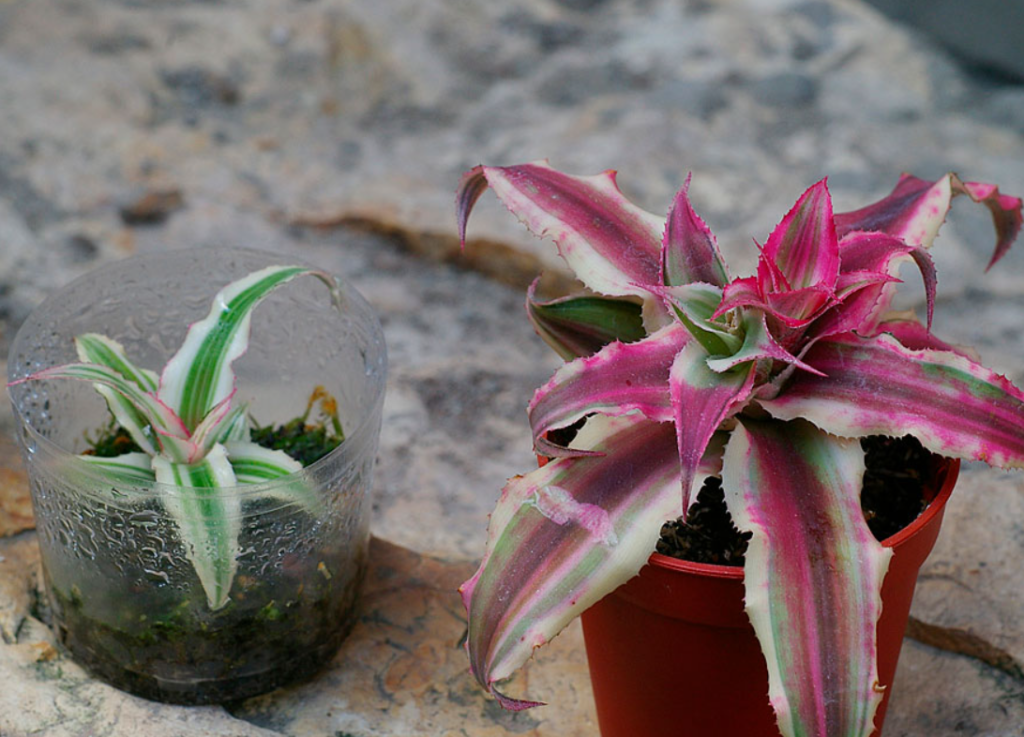
Use a propagation mix containing three parts leaf soil, one part river sand, and one part crushed pine bark for young cryptanthus plants. Alternatively, plant small bromeliad offsets in pure sphagnum moss. Place containers in a warm location with temperatures of 25-28°C away from direct light, covering with a loose plastic bag or glass dome.
Remove the cover daily for 15-minute ventilation periods. Once leaves begin actively growing, transition to standard cryptanthus acaulis care for mature plants.
Growing Cryptanthus from Seeds
Use only fresh cryptanthus seeds for best germination rates. Plant seeds gently in a mixture of sand and peat, maintaining greenhouse conditions with temperatures of at least 26°C until sprouts emerge. Seed propagation requires patience but can produce numerous new earth star plants.
Common Pests and Diseases Affecting Cryptanthus
With proper care, cryptanthus acaulis rarely suffers from pest infestations or diseases. Maintaining correct environmental conditions and following care guidelines keeps these bromeliad houseplants healthy and thriving.
Troubleshooting Common Cryptanthus Growing Problems
Growing problems occur only when care requirements are neglected. Excessive moisture causes root and leaf rot in cryptanthus acaulis. Direct sunlight exposure leads to unsightly leaf burn. Insufficient watering results in wilted, drooping leaves, while low air humidity causes leaf tip browning and drying. Briwning is also very imbortant.
Following proper care guidelines and tips ensures your cryptanthus acaulis rewards you with its unusual beauty and colorful foliage year-round.
Popular Cryptanthus Varieties and Species with Photos
Beyond cryptanthus acaulis, numerous other stunning varieties can enhance your indoor plant collection. Discover which cryptanthus species pair beautifully with your earth star plants.
Cryptanthus Bivittatus Earth Star
This compact variety features leaves measuring 7-10 cm in length forming dense rosettes up to 15 cm in diameter. The pale green leaves display two distinctive longitudinal light stripes, while some cultivars showcase scarlet foliage with contrasting light stripes. Small white flowers add charm to this miniature species, making cryptanthus bivittatus perfect for glass terrariums and bottle gardens.
Cryptanthus Bromelioides
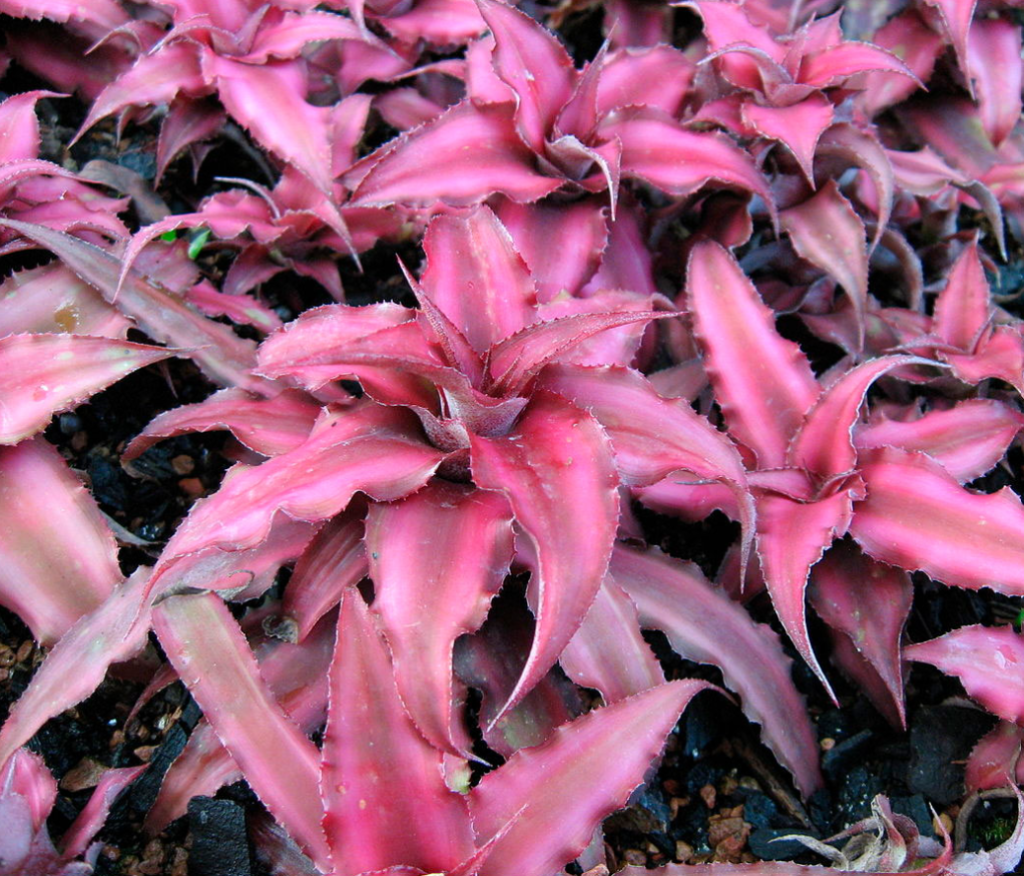
This distinctive cryptanthus variety features a pronounced short trunk unlike stemless species. The brightly variegated mottled leaves range from copper red to green with serrated, wavy edges. The popular “Tri