
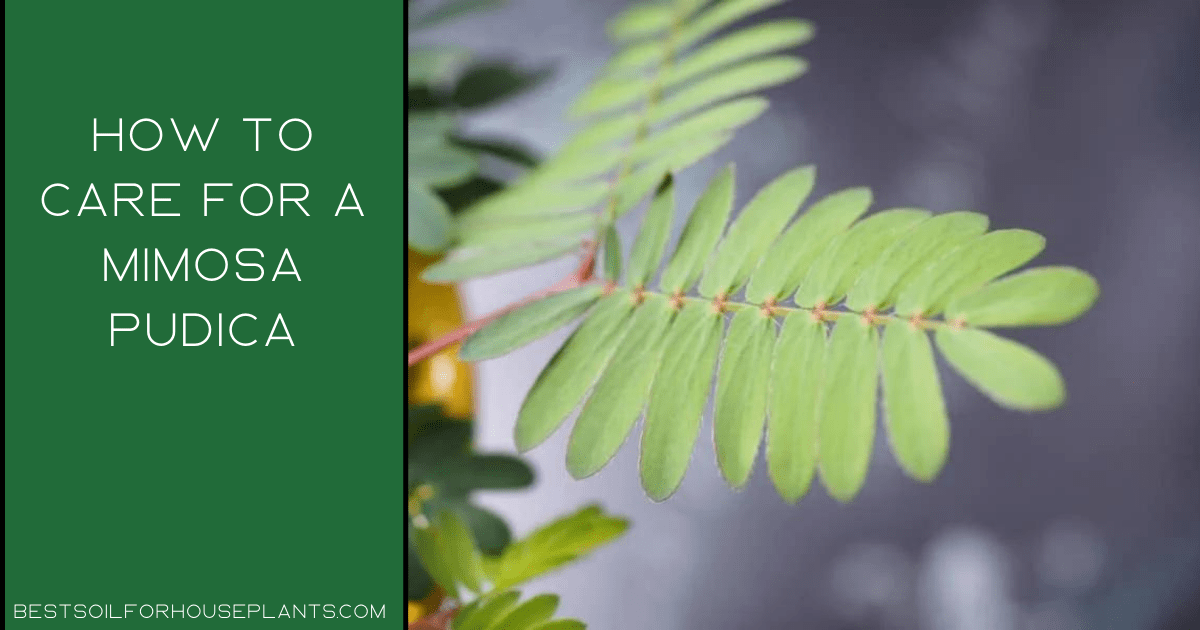
The sensitive plant, commonly known as the shy plant or Mimosa pudica, is a tropical member of the Mimosa genus native to Central and South America. Like any other plant, this fascinating houseplant can be placed in your home to bring wonder and delight to your family. Mimosa pudica features unique compound pinnate leaves that fold when touched, making it an excellent conversation starter.
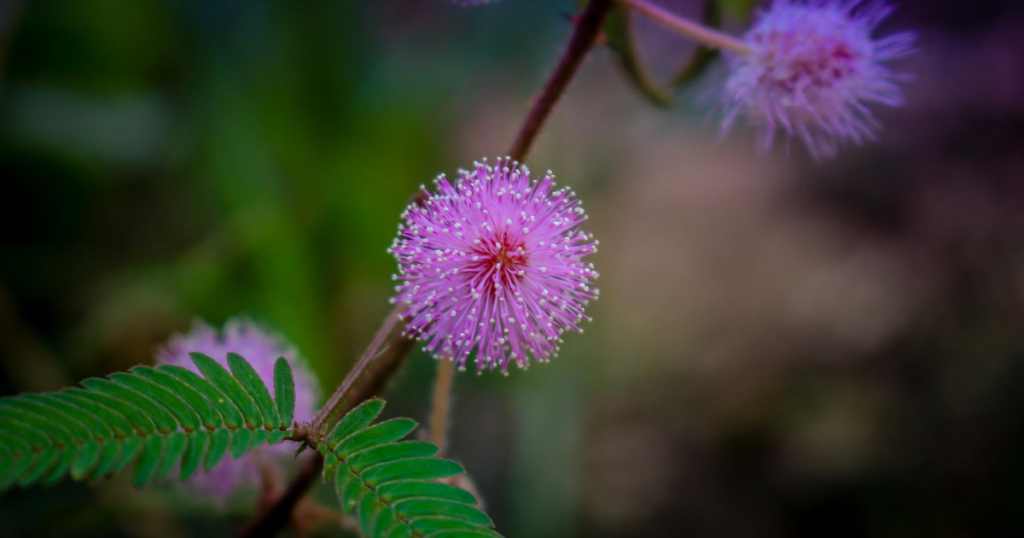
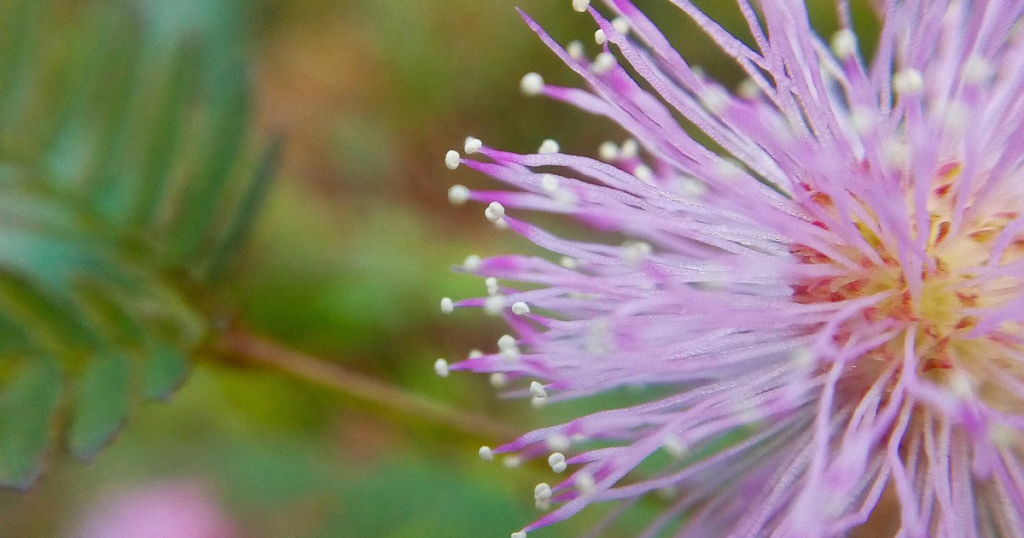
Mimosa pudica plants are an excellent choice for bright indoor spaces and sunny windowsills. The Latin name “pudica” means shy or bashful, referring to the plant’s remarkable leaf-folding behavior. This tropical houseplant blooms with attractive pink spherical flowers and thrives as an indoor plant with proper care.
Why Is Mimosa Pudica Called the Sensitive Plant?
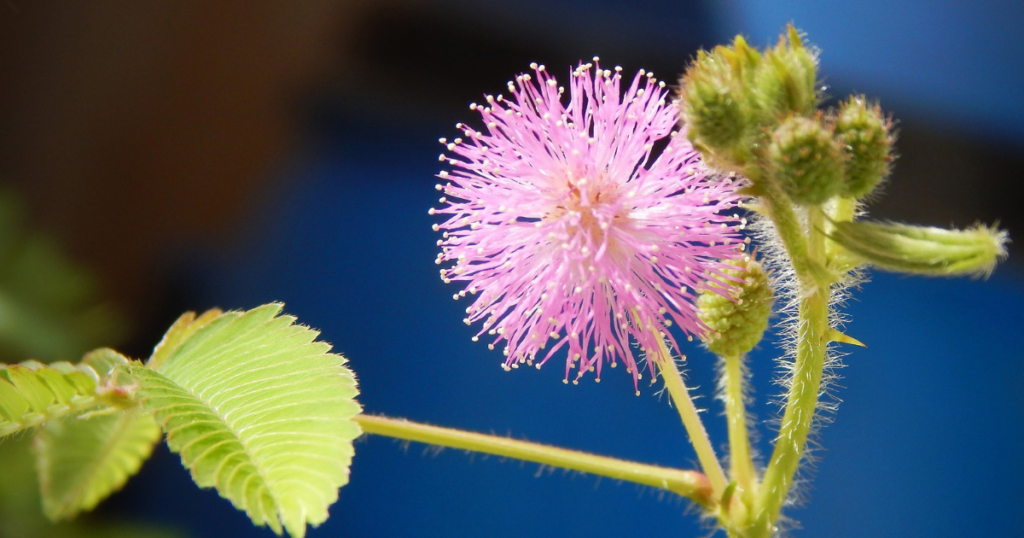
Mimosa pudica is native to the tropical regions of Central and South America. This spreading shrub or perennial is commonly called the “sensitive plant” or “touch-me-not” because of its fascinating leaf movement when touched or disturbed. The fernlike leaves fold inward and droop within seconds of contact, then slowly reopen after several minutes.
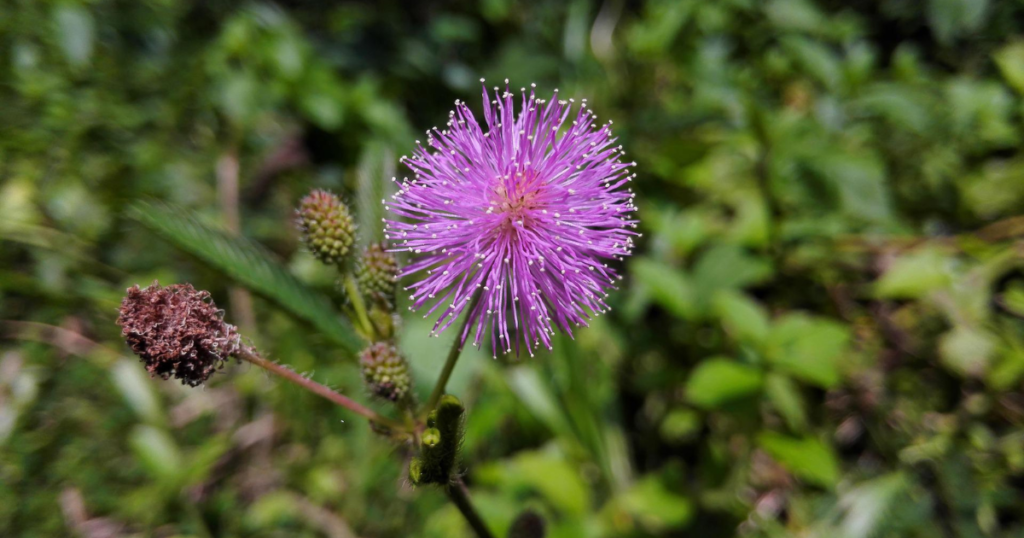
This unique plant also exhibits nyctinasty, closing its leaves at night and reopening them during daylight hours. The globose pink flowers and delicate foliage make Mimosa pudica a captivating addition to any houseplant collection.
How to Grow Mimosa Pudica: Complete Growing Guide
Growing a sensitive plant is relatively straightforward with proper care and attention. Mimosa pudica thrives in well-drained soil rich in organic matter and requires consistent moisture without waterlogging. Choose a potting mix that provides excellent drainage while retaining some moisture for optimal growth.
For best results, fertilize your Mimosa pudica with a diluted liquid fertilizer high in potassium every two weeks during the growing season. This feeding schedule supports healthy foliage development and promotes abundant flowering in summer months.
Mimosa Pudica Watering Requirements and Soil Needs
Proper watering is essential for Mimosa pudica care. Keep the soil consistently moist but never waterlogged, as this tropical plant is susceptible to root rot. A recommended potting mix consists of two parts loam, two parts peat moss, and one part perlite for optimal drainage and moisture retention.
Select a medium-sized pot with adequate drainage holes to prevent water accumulation. Always allow excess water to drain completely and never let your sensitive plant sit in standing water.
Mimosa pudica adapts well to typical household temperatures. The ideal temperature range for healthy growth is 60 to 85 degrees Fahrenheit. Avoid placing your sensitive plant near cold windowsills during winter months in temperate climates, as sudden temperature drops can stress the plant and inhibit its characteristic leaf movements.
Essential Mimosa Pudica Care Tips for Thriving Plants
Caring for Mimosa pudica is easier than many people expect. This sensitive plant requires bright, direct sunlight for several hours daily, consistently moist soil with excellent drainage, and moderate to high humidity levels. Position your plant near a sunny window where it receives plenty of natural light.
Use a container with drainage holes to prevent root rot and ensure proper air circulation around the plant. With these basic care requirements met, your Mimosa pudica will reward you with lush foliage and delightful pink flowers throughout the growing season.
Growing Mimosa Pudica from Seeds: Step-by-Step Propagation Guide
Mimosa pudica seeds should be sown in spring for best results, unless you can provide artificial lighting and controlled temperatures year-round. Begin by thoroughly moistening quality seed-starting soil and allowing excess water to drain completely before planting.
Sow seeds on the soil surface and cover lightly with a thin layer of potting mix. Scarifying or soaking seeds in warm water for several hours before planting significantly improves germination rates.
With adequate warmth, light, and moisture, Mimosa pudica seeds typically germinate within 7 days. Under less than optimal conditions, germination may take up to 4 weeks. When grown as a houseplant, sensitive plants are typically treated as annuals rather than perennials.
When and How to Repot Mimosa Pudica Plants
Mimosa pudica grows rapidly and may require repotting multiple times annually when container-grown. Watch for roots emerging from drainage holes as a clear sign your plant needs a larger container. Choose a pot one size larger with adequate drainage holes for proper root development.
If your sensitive plant becomes unsightly after flowering, collect the seeds and start fresh plants. Many gardeners prefer growing new Mimosa pudica from seed each year rather than maintaining older specimens.
Continue feeding your sensitive plant with diluted high-potassium liquid fertilizer every two weeks throughout the active growing season. This consistent fertilization schedule supports vigorous growth and promotes the plant’s fascinating touch-sensitive responses.
Mimosa Pudica Growth Rate and Lifespan
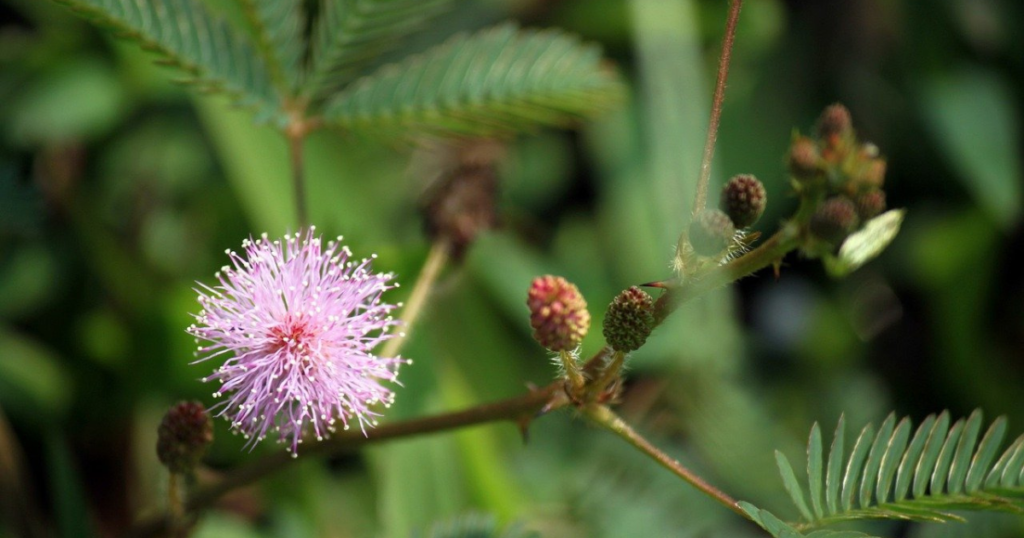
In tropical climates, Mimosa pudica can live for two years or longer as a perennial. In temperate regions, sensitive plants typically behave as annuals, completing their lifecycle after flowering and seed production. Indoor growing conditions often result in annual growth patterns regardless of climate.
When cultivating Mimosa pudica as a houseplant, most growers treat them as annuals. After the plant flowers and produces seeds, allow it to complete its cycle, collect seeds for propagation, then start fresh plants the following season.
Place your sensitive plant in a sunny window that receives several hours of direct sunlight daily. Bright light is essential for healthy leaf development, robust growth, and the plant’s characteristic touch-sensitive responses.
Common Pests and Problems Affecting Mimosa Pudica
Several pests commonly affect Mimosa pudica houseplants. Spider mites and mimosa webworms are particularly problematic, as they produce webs that interfere with the leaves’ natural closing mechanism. These pests can significantly reduce the plant’s fascinating touch-sensitive behaviors.
Mimosa pudica is also susceptible to mealybugs, thrips, and fungal diseases common to many houseplants. Regular inspection helps catch infestations early before they become severe.
Treat pest problems with non-toxic horticultural oil sprays or insecticidal soap applications. Spray affected plants thoroughly, covering both upper and lower leaf surfaces for effective pest control.
Mimosa Pudica Propagation Methods and Seed Collection
Propagating Mimosa pudica from seeds is the most reliable method for home gardeners. The seeds have a tough brown seed coat that benefits from scarification to improve germination rates. Gently nick or file the seed coating, or soak seeds in warm water for several hours before planting.
This preparation softens the protective layer and allows moisture to penetrate more easily, resulting in faster and more reliable germination. Plant treated seeds in well-draining potting soil and maintain consistent moisture until seedlings emerge.
Sensitive plants grown outdoors in tropical climates with ideal temperature ranges and well-draining soil often self-seed readily. Collect mature seed pods before they split open to ensure you capture seeds for next season’s plantings.
Optimal Temperature Range for Mimosa Pudica Care
The most fascinating rapid leaf movements of Mimosa pudica occur within the ideal temperature range of 60 to 85 degrees Fahrenheit. Maintaining stable temperatures within this range is crucial for the plant’s characteristic touch-sensitive responses and overall health.
Avoid exposing your sensitive plant to sudden temperature fluctuations, which can stress the plant and diminish its leaf-folding abilities. Keep Mimosa pudica away from cold drafts, heating vents, and air conditioning units.
Adequate lighting is equally important for Mimosa pudica care. Insufficient light causes weak, leggy growth and reduces the plant’s sensitivity. Provide bright, direct sunlight for several hours daily, and note that the spherical pink flowers naturally close at night.
Fertilizing Mimosa Pudica for Optimal Growth and Leaf Movement
Feed Mimosa pudica with diluted liquid fertilizer every three weeks from spring through summer for best results. Use a balanced or high-potassium formulation diluted to half the recommended strength to avoid fertilizer burn on sensitive roots.
Proper fertilization provides the nutrients necessary for healthy growth and gives the plant sufficient energy to power its remarkable leaf movements. Well-fed sensitive plants exhibit more pronounced touch responses and produce more abundant flowers.
Best Soil Mix for Mimosa Pudica and Drainage Solutions
Mimosa pudica cannot tolerate waterlogged soil and quickly develops root rot when drainage is inadequate. Create an ideal growing medium by incorporating peat moss or coconut coir to improve drainage while maintaining appropriate moisture levels. The soil should feel consistently moist but never soggy.
While sensitive plants naturally grow in nutrient-poor soils in their native habitat, they perform better as houseplants with regular feeding. Standard commercial potting mix works well for container-grown Mimosa pudica.
Sensitive plants prefer slightly root-bound conditions but should not become severely pot-bound. Monitor root development and repot when roots begin circling the container or emerging from drainage holes.
Pruning Mimosa Pudica to Maintain Attractive Plant Shape
Regular pruning keeps Mimosa pudica looking tidy and encourages bushier growth. As a creeping plant, sensitive plants tend to develop long, leggy stems over time, especially when light levels are insufficient. Prune elongated stems throughout the growing season to maintain a compact, attractive form.
Use a small trellis or plant support to train upward growth and prevent stems from trailing over the pot edges. This approach creates a fuller appearance and makes the plant’s touch-sensitive leaves more accessible for observation.
Repotting Guidelines for Container-Grown Sensitive Plants
The ideal container size for mature Mimosa pudica is approximately 6 inches in diameter. Since sensitive plants are typically grown as annuals indoors, repotting is often unnecessary unless you’re maintaining a specimen for multiple seasons.
If using a humidity tray, place the pot on pebbles or stones rather than directly in water. This arrangement increases ambient humidity without allowing the soil to absorb excess moisture that could lead to root rot.
Growing Mimosa Pudica Outdoors in Tropical Climates
Mimosa