

Indoor plants can bring a variety of benefits to your home, including increased oxygen levels and vibrant colors. However, you may have heard that keeping houseplants could attract pests, such as bugs. Do indoor plants attract bugs?
The answer is yes and no, depending on the type of plant in question. Some plants are more prone to attracting insects than others, as they provide a food source or habitat for bugs. However, there are steps you can take to make your houseplants less attractive to pests.
Keeping the leaves clean and dust-free will help reduce the number of insects drawn to them, as well as regularly checking plants for signs of infestation and promptly treating any issues. Proper plant care and maintenance are essential for preventing bug infestations in indoor plants.
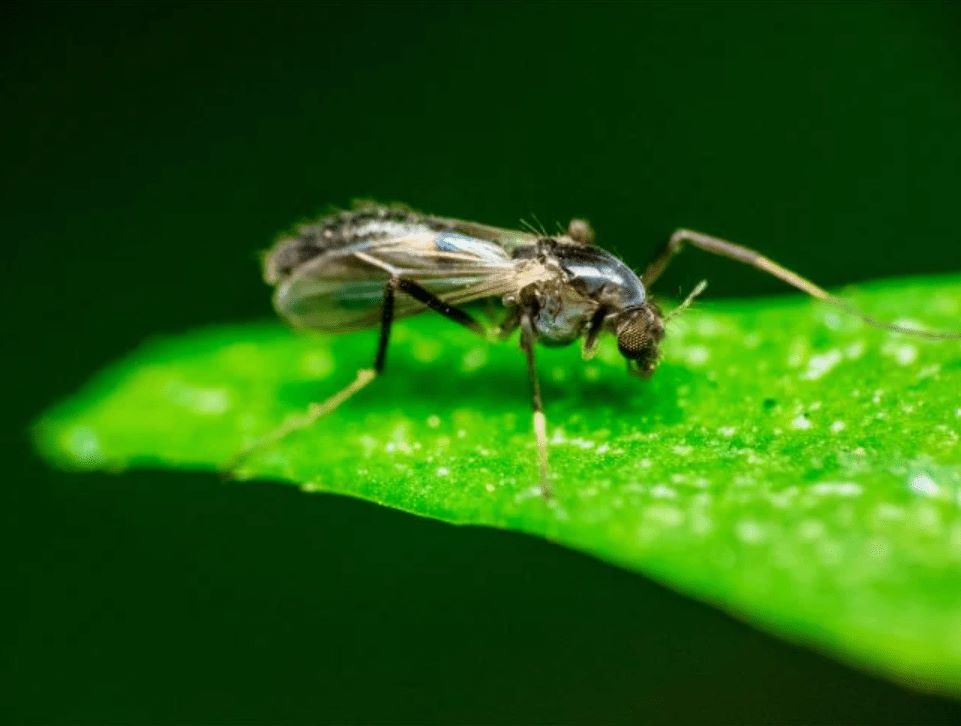
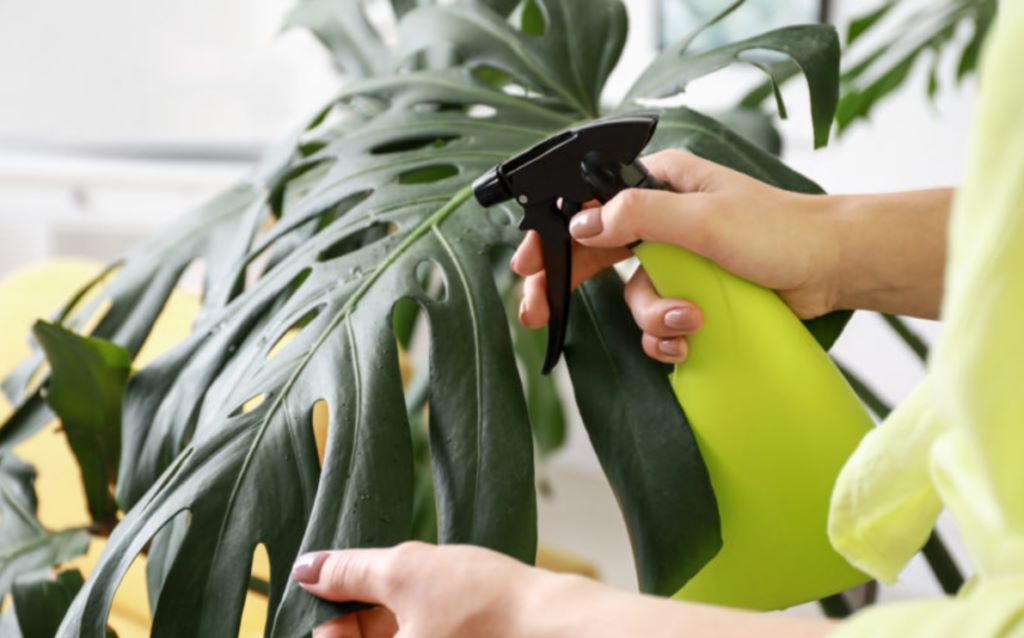
In order to make your houseplants less attractive to pests, it’s important to practice good hygiene when caring for them. Start by regularly cleaning the leaves of your plants with a soft cloth and lukewarm water. This will help remove any insects that are already on the leaves, as well as any residue such as dust or sap that can attract bugs.
What Growing Conditions Attract Houseplant Pests and Bugs
Houseplant pests such as aphids, mealybugs, whiteflies, mites and fungus gnats can be a real nuisance to any indoor gardener. Growing conditions that attract these pests are often related to excessive humidity, dampness or overwatering. Understanding these conditions is crucial for preventing indoor plant bug problems.
Poor air circulation, overcrowding of plants and lack of light can also contribute to infestations. To prevent plant pests, it is important to create a favorable environment for the plants and keep an eye out for any signs of infestation. Growing conditions that can draw in plant pests include high humidity, standing water, and poor ventilation.
High humidity levels above 55% create the perfect breeding ground for fungus gnats, mealybugs and spider mites. These conditions make your indoor plants more susceptible to pest infestations and can quickly lead to serious plant health issues.
Why High Humidity Attracts Pests To Indoor Plants
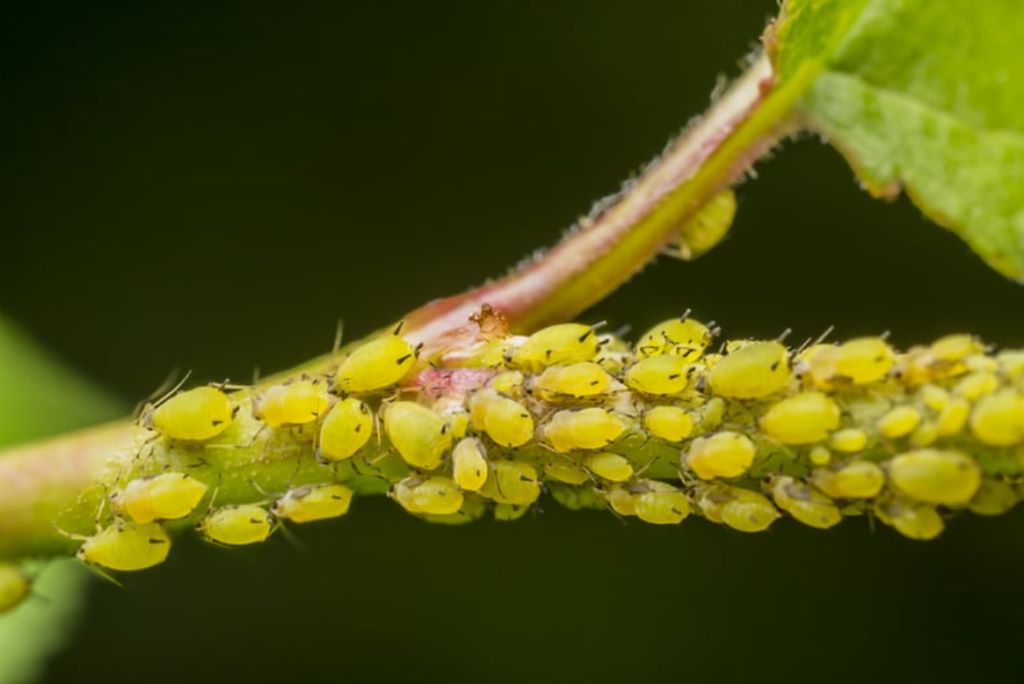
Humidity is one of the major contributors to pest infestation in indoor plants. High humidity levels can provide an ideal environment for many different types of bugs, such as mites, aphids, whiteflies and mealybugs, to thrive and reproduce. These pests feed on the sap of the plant and can spread quickly throughout the leaves and stems, causing extensive damage and stress to the plant.
High humidity can also provide an ideal environment for mold and mildew growth which can further weaken the plant and make it more susceptible to pest infestations. In order to keep your indoor plants safe from pests, it is important to maintain low humidity levels in your home or office by using a dehumidifier.
Controlling moisture levels around your houseplants is essential for preventing bug attraction and maintaining healthy indoor plants. Proper humidity management can significantly reduce the risk of pest problems.
Common Causes of High Humidity That Attract Bugs to Houseplants
Climate and Regional Weather Conditions
Climatic conditions play an important role in determining the humidity level of a home. Areas close to large bodies of water, such as the South, Pacific Northwest, and other coastal regions typically experience greater amounts of precipitation and consequently have higher relative humidity levels compared to desert areas such as Arizona, New Mexico, and parts of the Intermountain West.
Regional climate affects indoor humidity and can make your houseplants more attractive to bugs and pests. Understanding your local climate helps you take appropriate preventive measures against plant pests.
Overwatering Indoor Plants Attracts Insects and Pests
Overwatering is a common issue for indoor gardeners, whether they reside in a hot, dry climate or one that is more temperate. Overwatering can cause an increase in the humidity levels around the plants due to water evaporating from the soil surface. Overwatering your plants not only increases the relative humidity but can also bring about other issues like root rot and nutrient deficiencies.
To avoid overwatering, it is important to only water when the soil is dry to the touch and never more than once a week. If you think you may have already overwatered your plants, try using a dehumidifier or fans near your indoor garden to help reduce the humidity levels around them.
Proper watering techniques are essential for preventing bugs in houseplants. Excess moisture creates the perfect breeding environment for fungus gnats and other common houseplant pests.
Standing Water Problems in Houseplant Care
Standing water can be a major issue for plants. Standing water occurs when too much water is given to the plant at once, leading to drainage that cannot escape and accumulates in the container or saucer below. Standing water can cause several issues for the plant, such as root rot, fungal growth, and nutrient deficiencies that attract bugs and pests.
Poor Air Circulation Makes Indoor Plants Attract More Bugs
Air circulation is a vital factor to consider when growing plants indoors, as it can determine the health of the plant and its ability to fight off bugs. Lack of air circulation can have a number of adverse effects on your plants and their environment. For example, when air isn’t moving around your plants, the humidity level increases which can lead to fungal growth.
This in turn makes your plants a more ideal environment for bugs to live, eat, and reproduce in. Lack of air can also cause the soil to become overly saturated with water which can lead to root rot or other issues. It is therefore essential that proper air circulation is provided when growing plants indoors to prevent pest infestations.
Good airflow around your houseplants helps prevent bugs and keeps plants healthy. Stagnant air combined with high humidity creates conditions that attract insects to indoor plants.
No space: Placing plants too close together can have a number of negative consequences, which is why it’s important to provide adequate space between individual plants. Without enough space between them, air circulation through the foliage will be significantly reduced. This lack of circulation can cause the plants to become stressed and even lead to disease and pest infestations.
No air movement: If your home has areas without sufficient air movement, your plants can quickly become affected. This lack of airflow can lead to stagnant air and excessive heat, which can cause plants to become dry, wilted, or even die. In order to prevent this from happening, it is important to provide adequate ventilation for your plants through fans or open windows.
No one likes to have bugs in their houseplants, but it’s something that can happen to the best of us. Luckily, there are some great natural treatments available to help get rid of them without resorting to harsh chemical sprays or other artificial solutions. In this article, we’ll look at how you can use environmentally friendly methods to eliminate pests from your indoor plants.
Common Bugs and Pests Found on Indoor Plants
Common bugs on indoor plants can be a major nuisance to anyone who enjoys having greenery indoors. Aphids are small insects that suck the sap from plants and can be found in large numbers on leaves or stems. These bugs also come with a sweet scent, which attracts ants, so you may also find lots of these crawling around your plant.
Aphids on Houseplants: Identification and Problems
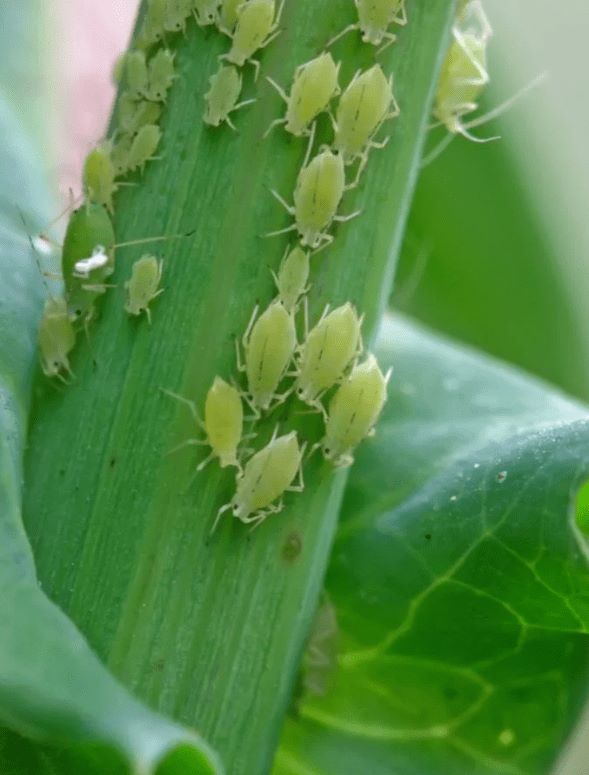
Aphids are one of the most common pests in houseplants, thriving in warm humid climates. They are small, pear-shaped insects that can range in color from green to brown, yellow or black. Aphids have piercing mouthparts which they use to extract sap from plants, and as a result, weaken them.
Aphid infestations can be identified by a white powdery coating on leaves, as well as distorted or curling foliage. Aphids secrete honeydew, a sticky liquid, which encourages the growth of black sooty mold and attracts other pests such as ants, flies and wasps. These bugs are among the most common insects attracted to indoor plants.
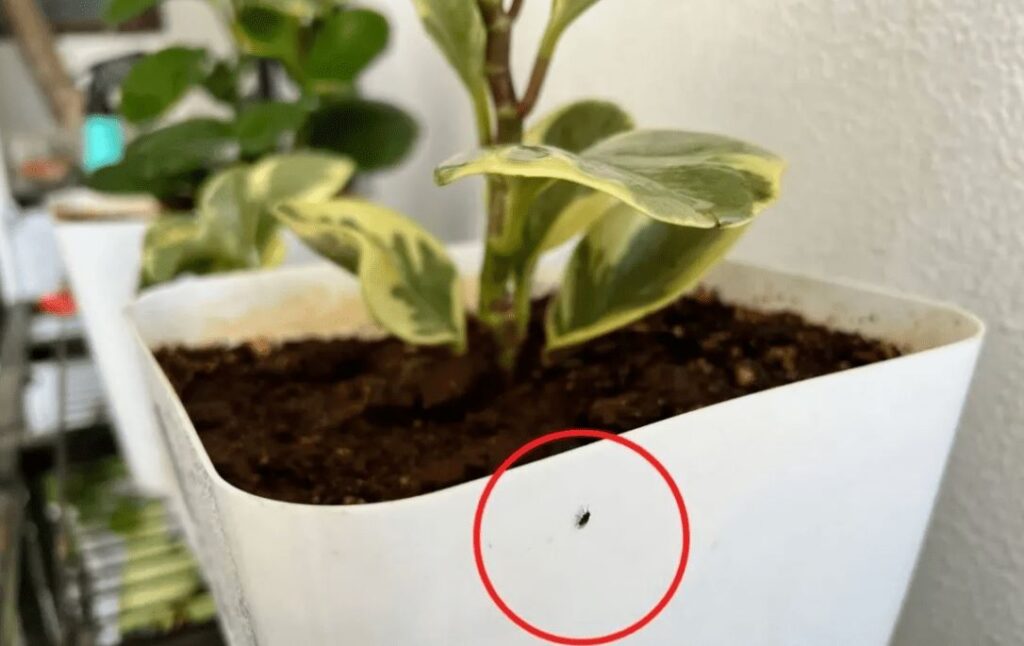
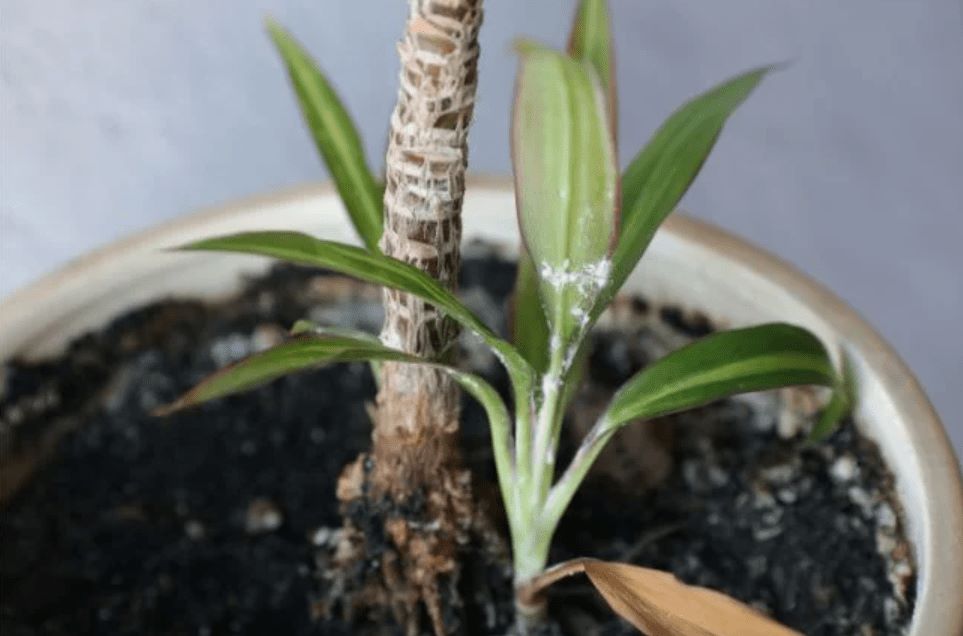
Mealybugs are more likely to be found in groups than individually, and prefer protected areas of the plant such as where the leaves attach to the stems. Often mistaken for tiny white moths or mealybugs, whiteflies are closely related to scale and aphids and are frequently attracted to indoor plants.
Spider Mites: Tiny Bugs That Attack Indoor Plants
Spider mites are a common problem for houseplant owners, as they can be notoriously difficult to detect due to their small size. Spider mites are usually less than 1mm wide and come in a variety of colors, making them hard to spot without close inspection. Spider mites pierce the leaves of houseplants to get at the fluid within, which can lead to stippled discoloration or generalised leaf yellowing.
When inspecting your plants for signs of spider mites, look for fine webbing between the foliage and check both sides of the leaves. Spider mites are a pesky pest that can cause damage to