

Why is my bamboo turning yellow? The Lucky Bamboo Plant is an incredibly popular addition to any home or office, as it’s known to bring prosperity and luck according to the principles of Feng Shui. However, what many people don’t know is that this plant isn’t actually a true bamboo species at all, but rather part of the Dracaena genus. Understanding why your lucky bamboo is turning yellow is essential for keeping this beloved houseplant healthy and vibrant.
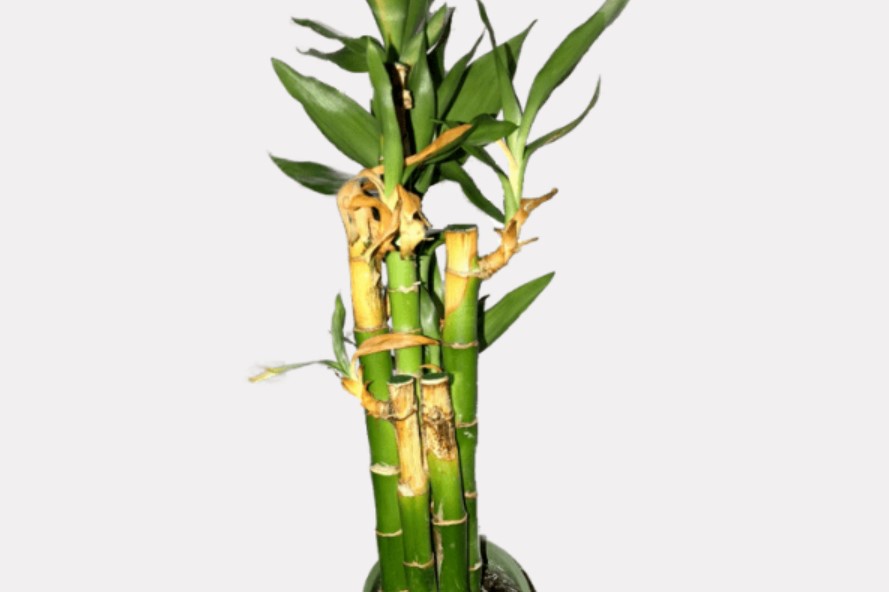
The Dracaena genus is a large group of plants containing over 120 species, with the Lucky Bamboo Plant being one of the most popular. As it’s not an actual bamboo species, its requirements are slightly different than that of a typical bamboo. It needs to be planted in soil and requires water, sunlight, and fertilizer to thrive as a healthy houseplant.
What Is Lucky Bamboo and Why Does It Turn Yellow?
Lucky bamboo (Dracaena sanderiana) is a perennial evergreen popularly grown as a houseplant, either hydroponically or in soil. It is an integral part of the Asparagaceae family and is easily identified by its stalks, which bear resemblance to that of a true bamboo plant. Lucky bamboo is a traditional symbol of good luck and fortune, with roots in feng shui—an ancient Chinese philosophy that dates back to the ninth century BC.
It is often given as a gift to represent love, health, growth, and prosperity. Lucky bamboo is an easy-to-care-for houseplant that requires minimal maintenance, making it ideal for both beginner and experienced plant enthusiasts.
6 Common Causes for Lucky Bamboo Plant Turning Yellow
A healthy lucky bamboo plant should have dark to bright-green leaves and stems. If the plant’s stem or leaves are turning yellow, it could be for several different reasons, including overwatering, underwatering, lack of fertilizer, too much direct sunlight, lack of humidity, or disease. Understanding these causes is crucial to preventing your lucky bamboo stalk and leaves from turning yellow.
Too Much Direct Sunlight Causes Yellow Bamboo Leaves
Too much direct sunlight can prove to be damaging to a lucky bamboo plant and should be avoided at all costs. Too much sunlight can cause the leaves of a lucky bamboo plant to become scorched and dry, leading to a yellowing of the foliage. When exposed to excessive sunlight, the plant can become stressed and start to wilt.
It is important to place the plant in a location with bright but indirect filtered sunlight, such as beneath the canopy of a tropical forest. This will provide enough light for the plant to grow healthy and vibrant without being exposed to too much direct sun. Too much sun exposure can also cause damage to the roots and contribute to yellowing bamboo stalks.
Excessive Fertilizer and Nutrient Burn in Lucky Bamboo
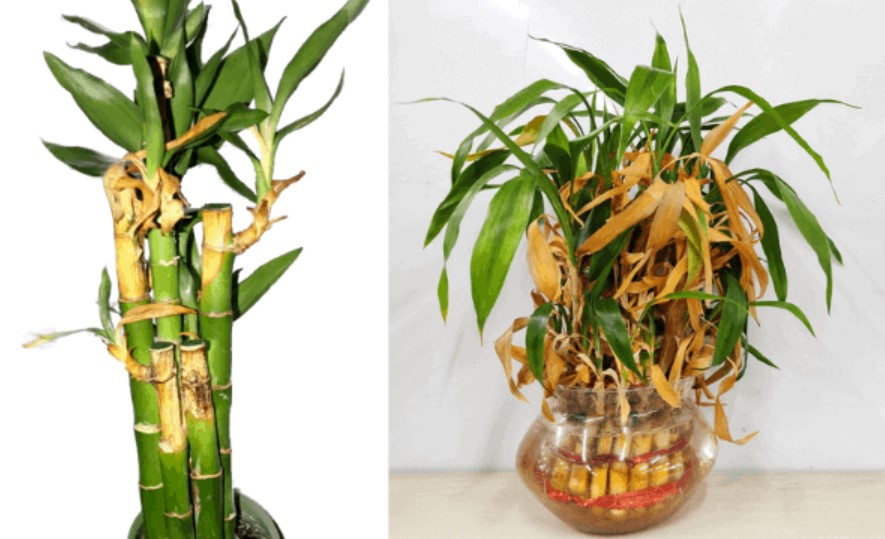
Excessive fertilizer can be a major cause of discoloration and wilting in lucky bamboo plants. Excess nitrogen, phosphorus, or potassium compounds can lead to nutrient burn in the leaves, resulting in them turning yellow or brown. Overfertilization can also prevent the normal uptake of oxygen and water into the plant, leading to premature wilting and yellowing bamboo stalks.
Lack of Water and Poor Water Quality
Change the water immediately if it turns dark, murky, green, black, or smells foul. Lucky bamboo is a popular houseplant that can easily be grown indoors and requires little maintenance. The main requirement for its successful growth is the presence of enough water to keep the bottom of the canes submerged.
While lucky bamboo can survive in just water, it will thrive if planted in soil with good drainage. Insufficient water is one of the primary reasons why bamboo turns yellow, so maintaining proper water levels is essential.
Poor-Quality Tap Water With Chlorine and Fluoride
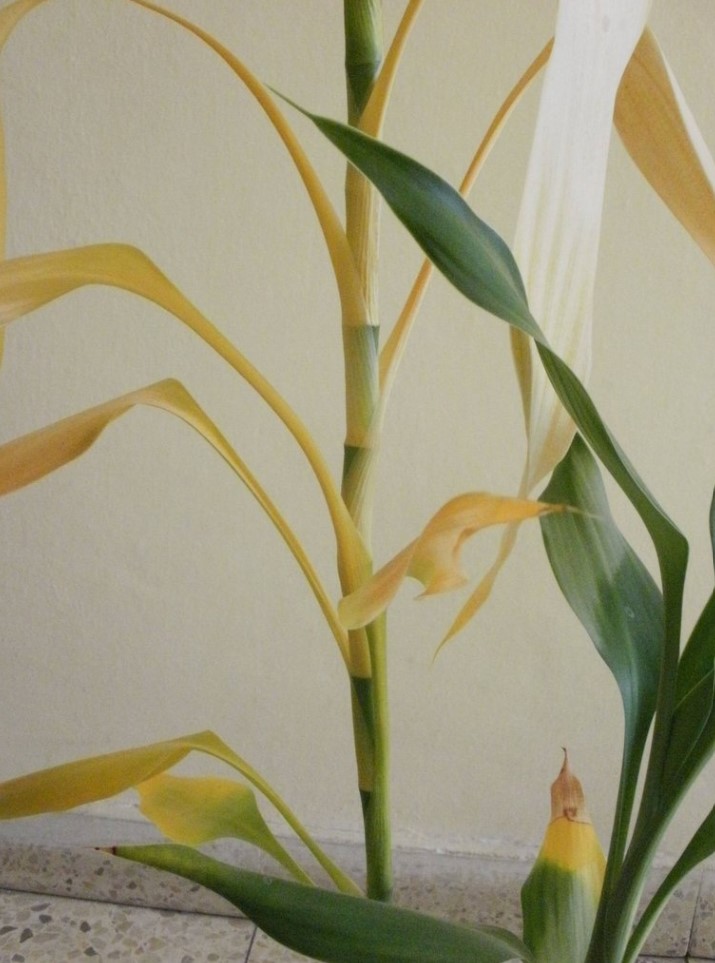
Lucky bamboo plants are notoriously sensitive to additives that are common in many municipal water sources such as chlorine and fluoride. Poor-quality water can cause the leaves of your lucky bamboo plant to become yellow, weak, and prone to leaf drop. In order to help your plant thrive, it is best to avoid using tap water on it and instead use filtered or distilled water to prevent yellowing.
Incorrect Temperature Stress on Bamboo Plants
Lucky bamboo plants are tropical and thrive best in warm temperatures ranging from sixty-five to ninety degrees Fahrenheit. It is important to place the lucky bamboo away from any heating or cooling vents, as these can stress the plant. When growing indoors, make sure to keep your lucky bamboo out of direct sunlight, as this can cause it to dry out and become damaged.
Incorrect temperatures below sixty-five degrees Fahrenheit or above ninety degrees can be harmful to the plant and may cause bamboo to turn yellow or even die. It is therefore important to monitor your lucky bamboo’s temperature regularly and take steps to ensure that it remains in its optimal conditions for healthy green growth.
Pest Infestation: Spider Mites and Aphids on Bamboo
Yellowing leaves on lucky bamboo stalks is often an indication of a pest infestation. Spider mites and aphids are two of the most common culprits in this scenario and due to their small size, they can often go undetected. To spot them, you will need to take a closer look at your plant, preferably with a magnifying glass, which will usually reveal these pests causing your bamboo to turn yellow.
How to Revive and Save a Yellow Bamboo Plant
Saving a bamboo plant that is turning yellow can be a difficult and frustrating task. Even if you attempt all the recommended steps and remedies, it may not be enough to revive your lucky bamboo. However, if you’re not ready to give up yet, there are several proven methods of propagation and care which may help you save your precious plant and restore its vibrant green color.
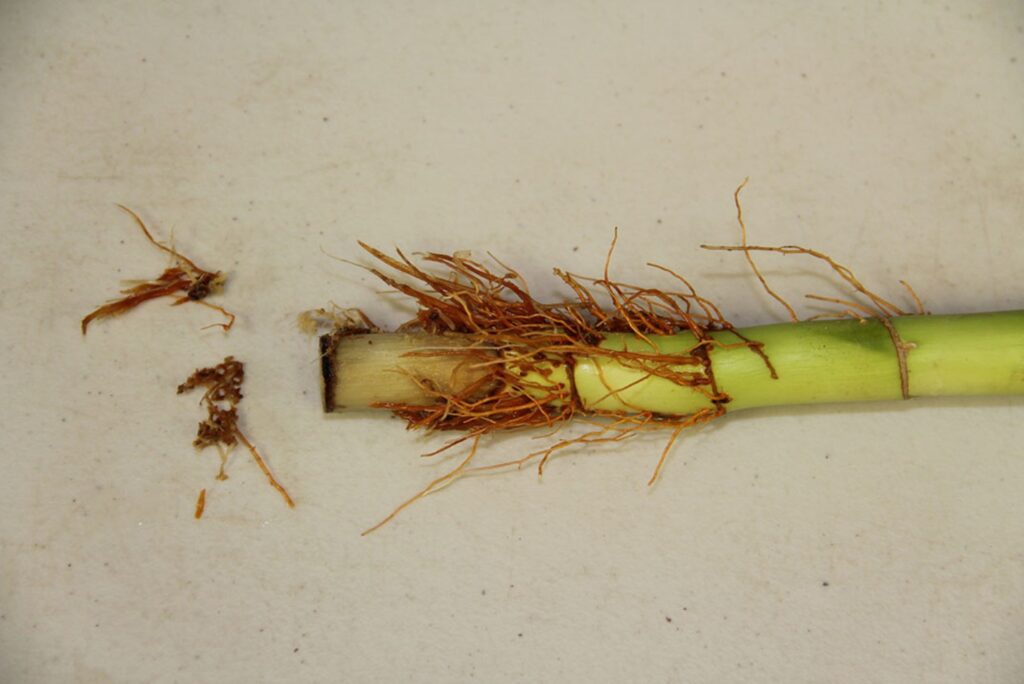
Change the Water to Revive a Yellowing Lucky Bamboo
When it comes to reviving a yellowing lucky bamboo plant, the most important step is to immediately change the water. While this can be successful in some cases where the plant hasn’t been exposed to too many chemicals, it might be too late for other plants. This is especially true if the stalk of the plant turns yellow instead of just the leaves, indicating more severe damage.
Repot in Fresh Soil to Save a Dying Lucky Bamboo
When a lucky bamboo plant is over-fertilized, it can become very weak and its health may deteriorate quickly. Repotting the plant in fresh soil without any additional fertilizer is the best solution for reviving the plant. Repotting should be done carefully, as too much force can cause further damage to the tender roots and worsen the yellowing bamboo condition.
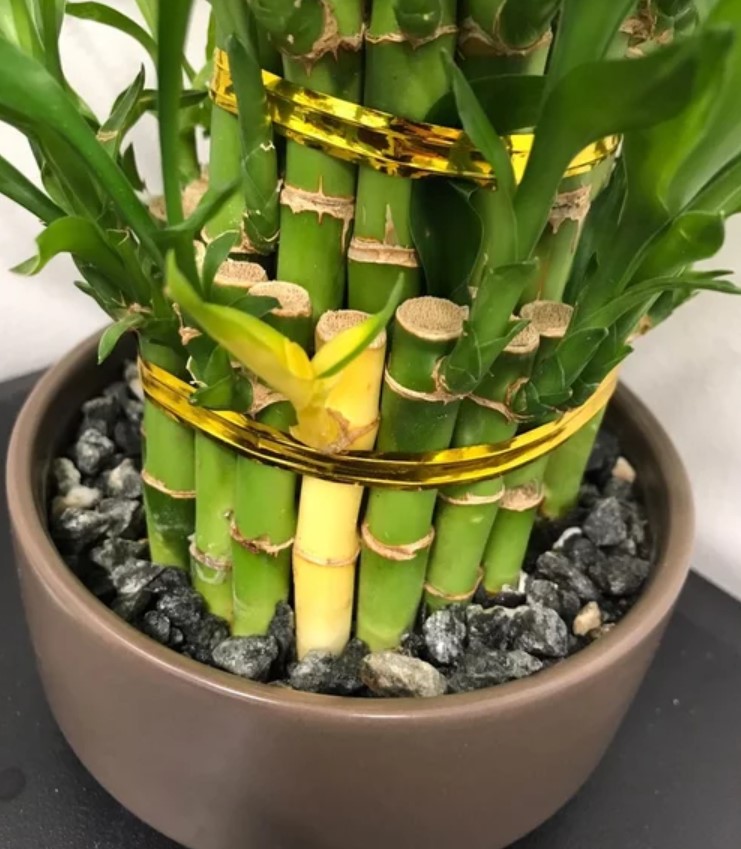
Begin by gently removing the plant from its container. Try not to disturb the roots as much as possible, using a soft cloth or gloves if necessary. Place it in a clean container filled with fresh soil and firmly press it down into the new dirt, making sure all the roots are covered to promote healthy green growth.
Place Bamboo in Indirect Sunlight to Prevent Yellowing
The placement of lucky bamboo is important when considering how much light the plant should receive. Ideally, it should be placed near a window or on a table by a window, as this will provide ample indirect sunlight for the plant. However, it is important to make sure that direct sunlight does not reach the bamboo as this can cause burning, damage, and yellowing of leaves and stalks.
Mist the Leaves to Increase Humidity for Lucky Bamboo
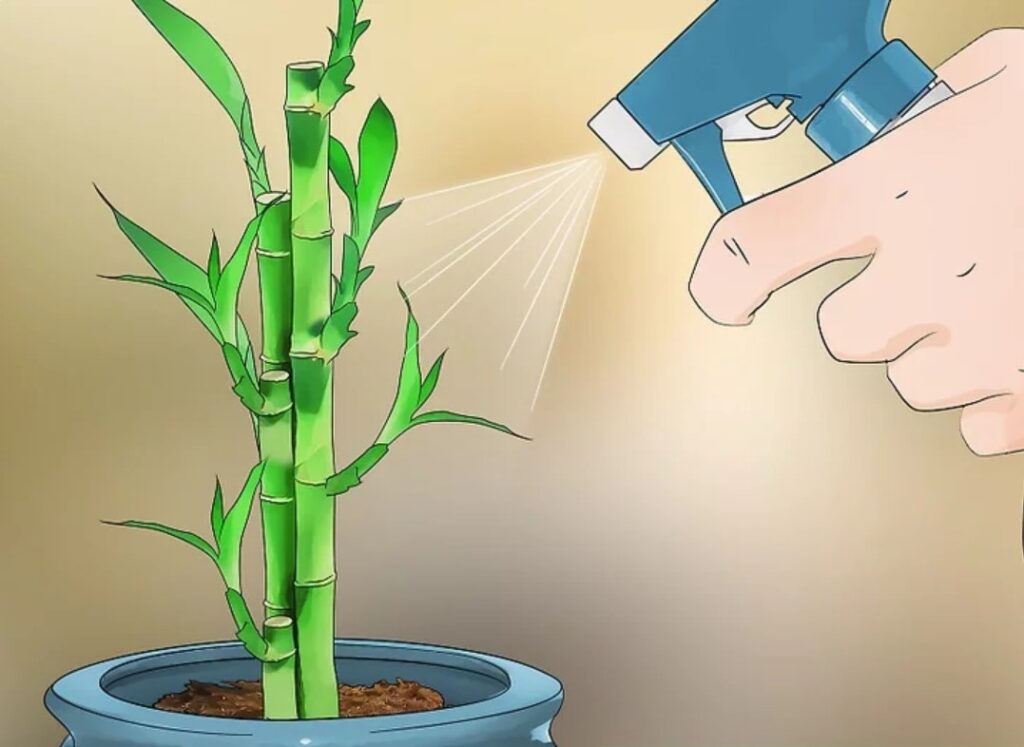
Low humidity environments can be detrimental to a lucky bamboo plant as they require a humid climate to thrive. Mist the leaves of your lucky bamboo every two to three days in order to increase the humidity and provide the moisture it needs. This should help stop the yellowing of the leaves and keep them looking vibrant and healthy. Your lucky bamboo prefers indirect bright light combined with proper humidity levels.
Trim Yellow Bamboo Leaves to Promote New Growth
If you have a plant with a few yellow leaves, it may be showing signs of distress such as too much water or too much direct sunlight. Trimming the yellow leaves off your plant can help it to start growing new, healthy leaves and keep it looking its best. Trimming bamboo is especially important if the leaves are turning yellow, as this is an indication that the bamboo may be getting too much water or experiencing other stress factors.
Trimming the yellow leaves will help to prevent further damage and allow your bamboo to start growing new, healthy green leaves. Be sure to use a