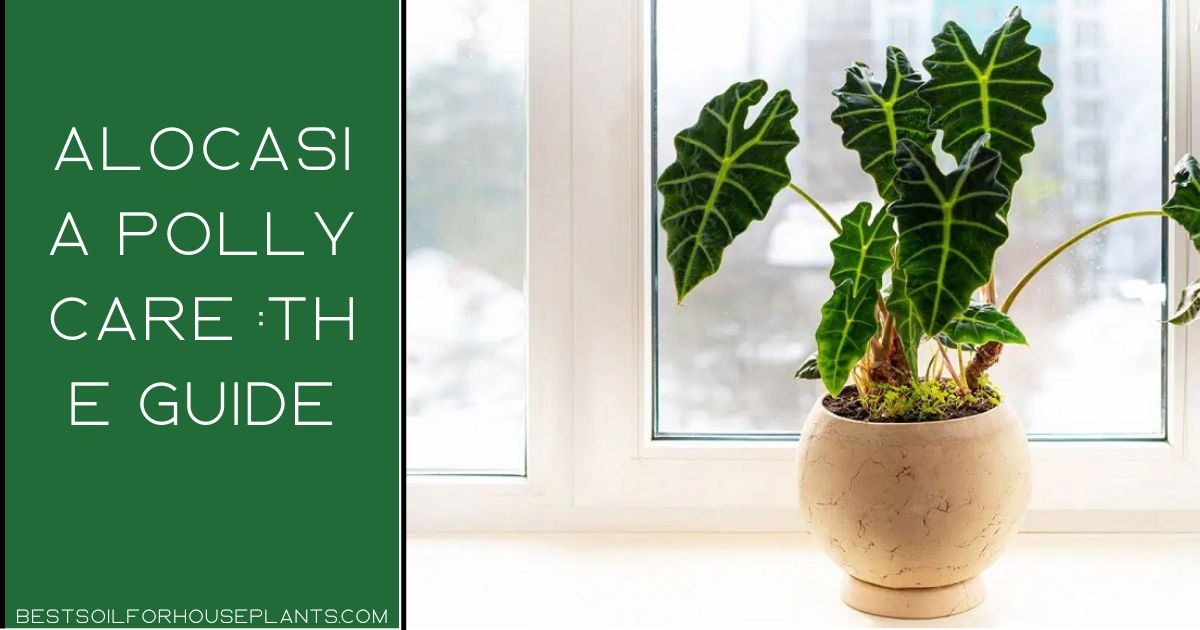
Taking care of Alocasia Polly houseplants is a rewarding and enjoyable experience for plant lovers. To ensure your Alocasia Polly plant remains healthy and vibrant, it must be grown in bright indirect light and kept consistently moist. Alocasia Polly typically requires water every 1-2 weeks; carefully check the soil moisture before watering to prevent root rot.
These tropical plants thrive in temperatures between 60°F-85°F but should never be exposed to temperatures below 50°F. Keep your Alocasia Polly away from drafty areas and provide plenty of bright indirect sunlight. To increase humidity levels, mist your plant with a spray bottle every few days for optimal Alocasia Polly care.
Alocasia Polly Appearance: What Does This Stunning Houseplant Look Like?
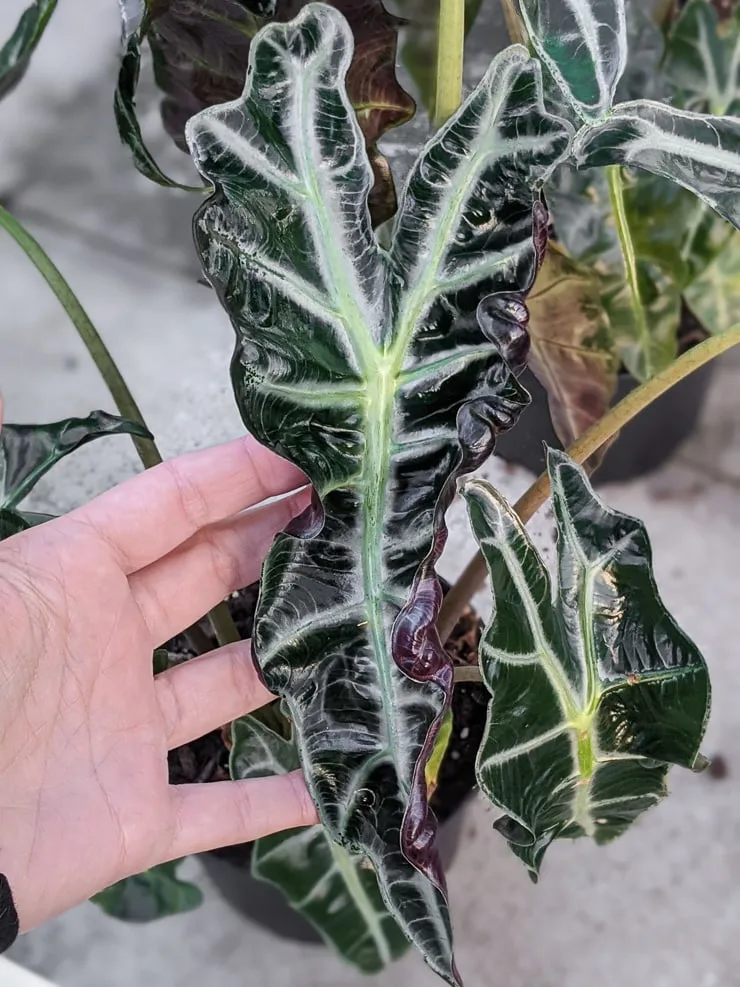
The Alocasia Polly, also known as African Mask Plant, is a stunning tropical houseplant to behold. With its lush, dark green foliage featuring bright white veining in thick, waxy leaves measuring up to 18 inches long, this plant creates a dramatic focal point. It typically grows to about 24 inches tall and spreads equally wide, with distinctive arrowhead-shaped leaves that emerge from tuberous rhizomes.
Alocasia Polly Origin and History: Understanding Your African Mask Plant
Alocasia plants are exotic tropical species native to Southeast Asia and Australia, with 97 recognized varieties. Many nurseries have developed unique hybrid strains like Alocasia Polly. Although its exact origin remains unclear, this Alocasia amazonica hybrid has become a popular houseplant worldwide.
Alocasia Polly, commonly called African Mask Plant, Amazonian Elephant Ear, or Alocasia amazonica, is a captivating houseplant with mysterious origins. The plant features impressive leaves that grow up to 16 inches long and 10 inches wide with thick, leathery dark green surfaces. Striking bright white or silver veining creates dramatic contrast against the dark foliage, with edges outlined in cream or light green accents.
Alocasia Bambino vs Polly: Key Differences Between These Varieties
Alocasia Bambino is a compact dwarf version of Alocasia Polly with similar characteristics. This miniature variety grows under one foot in height with smaller leaves and less dramatic rippling. The Bambino is perfect for smaller spaces while maintaining the classic Alocasia appearance.
Alocasia African Mask vs Polly: Are They the Same Plant?
Alocasia Polly and African Mask Plant refer to the same stunning houseplant species. While “African Mask Plant” was a popular common name, most nurseries and plant enthusiasts now use “Alocasia Polly” or “Alocasia amazonica.” Check your local plant nurseries for this dramatic foliage plant to add exotic tropical beauty to your indoor garden.
Alocasia Polly Light Requirements: How Much Light Does Your Plant Need?
Alocasia Polly plants thrive in bright indirect light and tolerate medium to low light conditions. While these tropical houseplants prefer filtered sunlight, they can adapt to some direct sun exposure if introduced gradually. Avoid placing your Alocasia Polly in intense direct sunlight, which can scorch the leaves and cause browning.
Position your African Mask Plant at least one foot away from south-facing windows for optimal growth. If leaves begin yellowing, this indicates too much direct light exposure. Use sheer curtains to filter harsh sunlight and protect the delicate foliage, especially new emerging leaves.
Complete Alocasia Polly Care Guide: Tips for Thriving Tropical Houseplants
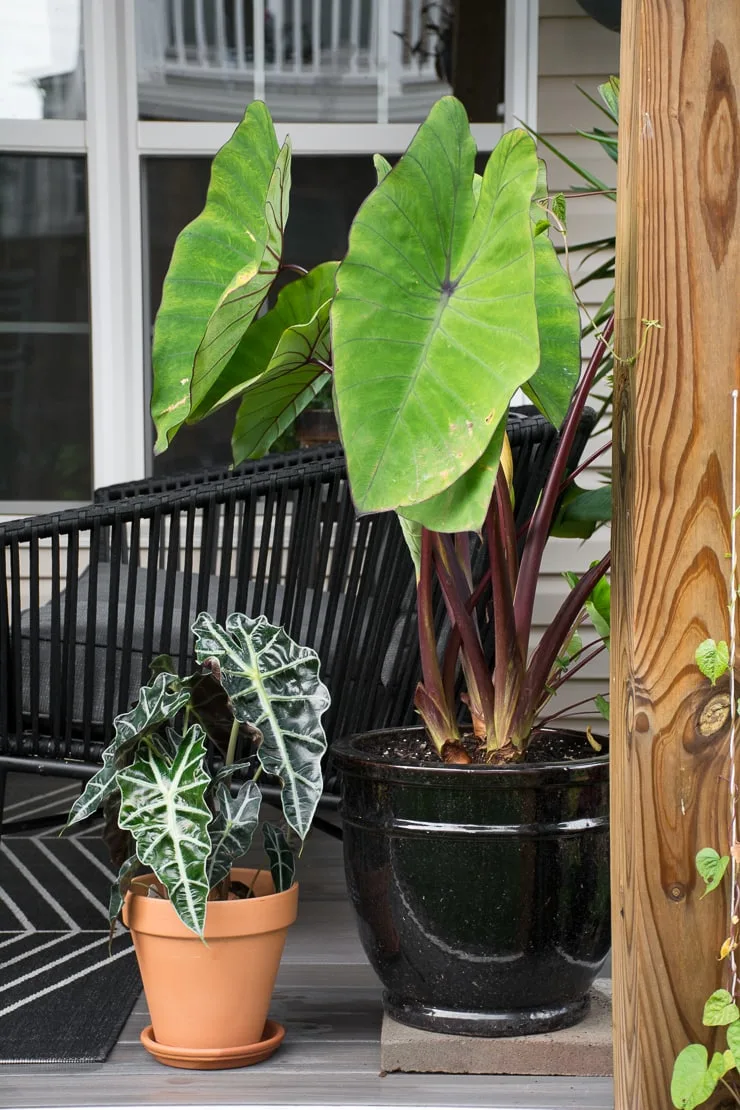
Alocasia Polly is a stunning tropical houseplant requiring specific care conditions to flourish indoors. Proper lighting, consistent watering schedules, appropriate temperature, and humidity levels ensure healthy growth year-round. With regular maintenance including potting, fertilizing, and pest monitoring, your African Mask Plant will showcase its full ornamental potential.
Optimal Lighting Conditions for Alocasia Polly Success
Alocasia Polly requires bright indirect sunlight but not harsh direct rays that cause leaf burn. Place your plant at least one foot from windows, ideally south-facing with filtered light. Yellow leaves indicate excessive light exposure, while leggy growth suggests insufficient lighting.
Use sheer curtains to diffuse intense sunlight and protect sensitive new foliage. Monitor your plant regularly and adjust placement based on seasonal light changes. Proper lighting is essential for maintaining the distinctive dark green leaves with striking white veination that make Alocasia Polly so desirable.
Alocasia Polly Watering Schedule and Best Practices
Alocasia Polly stores water in its thick stems, requiring careful watering to prevent root rot. Allow the top inch of soil to dry between waterings, typically every 7-14 days. Check soil moisture with your finger before watering to avoid overwatering issues.
Drooping stems signal your Alocasia Polly needs water immediately. Water slowly and thoroughly until drainage holes release excess moisture, then empty the saucer. Use filtered or distilled water instead of chlorinated tap water, which can damage sensitive tropical plants.
Temperature and Humidity Requirements for African Mask Plant
Alocasia Polly thrives in warm, humid tropical conditions with temperatures between 60-80°F and humidity levels above 60%. Maintain consistent environmental conditions and avoid temperature fluctuations from air conditioners, heating vents, or drafty windows. Low humidity causes brown leaf edges and stunted growth.
Increase humidity using a humidifier, grouping plants together, or creating a pebble tray. Fill a shallow tray with pebbles, add water just below the surface, and place your Alocasia Polly pot on top. As water evaporates, it creates a humid microclimate perfect for tropical houseplants.
Best Soil Mix and Pot Selection for Alocasia Polly
Alocasia Polly requires well-draining aroid potting mix to prevent waterlogged roots and rot. Mix standard potting soil with perlite, orchid bark, or coco coir for improved drainage. LECA (lightweight expanded clay aggregate) works well for semi-hydroponic growing but requires liquid fertilizer supplementation.
Choose pots with drainage holes to allow excess water to escape freely. Avoid terracotta or unglazed clay pots that wick moisture away too quickly. Plastic or glazed ceramic containers maintain consistent soil moisture ideal for Alocasia Polly care.
Fertilizing Your Alocasia Polly for Vigorous Growth
Feed your Alocasia Polly monthly during the active growing season from spring through early fall with balanced liquid houseplant fertilizer. Reduce fertilization in winter when the plant enters dormancy and growth slows. Proper fertilization promotes lush foliage and vibrant leaf coloration.
Pruning Dead Leaves for Healthy Alocasia Polly Plants
Remove dead, dying, or damaged leaves promptly to maintain plant health and appearance. Pruning redirects energy to healthy foliage and prevents fungal diseases. Use clean, sharp scissors or pruning shears to make clean cuts near the base of stems.
When and How to Repot Alocasia Polly Houseplants
Alocasia Polly prefers slightly rootbound conditions and rarely needs repotting. Repot only when roots emerge from drainage holes or growth becomes stunted, typically every 2-3 years. Choose a pot only 1-2 inches larger than the current container to prevent overwatering issues.
Alocasia Polly Toxicity: Pet and Child Safety Information
Alocasia Polly contains calcium oxalate crystals that are toxic to humans, cats, and dogs if ingested. Keep this houseplant away from children and pets who might chew on leaves. Ingestion causes mouth irritation, excessive drooling, vomiting, and difficulty swallowing requiring veterinary attention.
How to Propagate Alocasia Polly: Growing New Plants from Bulbs
Propagating Alocasia Polly is straightforward using small bulbs or corms that develop around the parent plant’s roots. These bulbs naturally form underground and occasionally fall away when repotting. Collect bulbs during repotting and plant them individually for successful propagation.
Plant Alocasia Polly bulbs in moist, well-draining soil and maintain consistent moisture without overwatering. Be patient, as roots may take several months to develop before visible growth appears. Small white roots emerge first, followed by stems and leaves, indicating successful propagation.
Common Alocasia Polly Problems: Troubleshooting Plant Issues
Monitor your Alocasia Polly regularly for signs of stress including leaf discoloration, wilting, brown spots, or pest infestations. Early detection allows quick intervention to prevent serious damage. Common issues include overwatering, inadequate humidity, improper lighting, and spider mite infestations.
Brown Spots and Drooping Stems: Root Rot in Alocasia Polly
Brown spots on Alocasia Polly leaves often indicate root rot from overwatering or poorly draining soil. Soft, mushy brown spots spread quickly and kill entire leaves if untreated. Reduce watering frequency, improve soil drainage, and remove affected leaves immediately to prevent further infection.
Root rot is a common Alocasia Polly problem that requires immediate action. If roots feel mushy and smell foul, unpot the plant, trim away rotted roots, and repot in fresh well-draining soil. Fungal infections may accompany root rot, requiring fungicide treatment for complete recovery.

Yellow Leaves and Droopy Stems on African Mask Plant
Some yellowing and leaf drop is normal as Alocasia Polly matures and older leaves die naturally. However, excessive yellowing indicates overwatering, compacted soil, or nutrient deficiencies. Adjust your watering schedule and ensure proper drainage to prevent chronic yellowing issues.
Spider Mites on Alocasia Polly: Identification and Treatment
Yellow or browning leaves accompanied by fine webbing indicate spider mite infestation on your Alocasia Polly. These tiny pests thrive in warm, dry indoor conditions and can severely damage plants. Leaves already yellowed cannot recover, but quick action saves the remaining plant.
Spider mites are common houseplant pests that spread rapidly in low humidity environments. Inspect leaf undersides regularly for tiny moving dots and delicate webs. Early detection allows easier treatment with insecticidal soap or neem oil applications.

Severe spider mite infestations may require cutting your Alocasia Polly back to soil level and treating remaining stems with insecticide. With proper care, new growth emerges in spring from underground rhizomes. Prevent spider mites by maintaining high humidity through regular misting or using a humidifier.
Indoor Alocasia Polly plants are particularly susceptible to spider mites during winter when heating systems reduce humidity. Regular misting with cool water helps deter these pests. For serious prevention, enclose plants in clear plastic to maintain consistent high humidity levels.


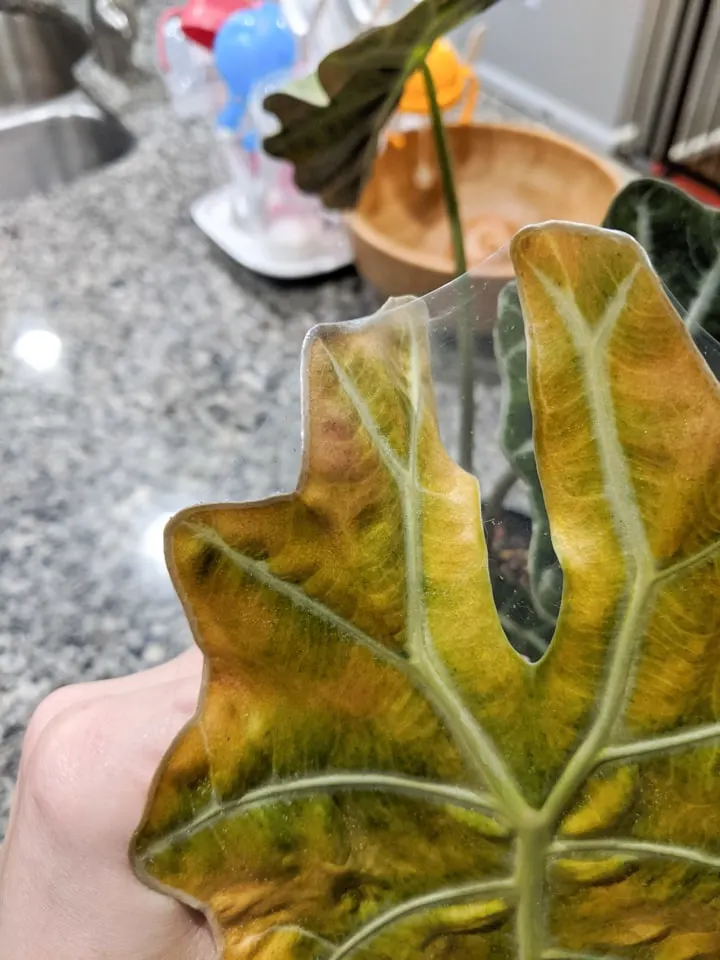


Curling Leaves on Alocasia Polly: Causes and Solutions
Alocasia Polly leaves curl due to excessive direct sunlight or insufficient humidity levels. Move your plant away from harsh light sources and increase ambient humidity. Adjust environmental conditions gradually and monitor your plant’s response to prevent further stress.
Is Alocasia Polly Safe for Cats and Dogs?
Alocasia Polly is toxic to pets including cats and dogs due to calcium oxalate crystals. Keep this houseplant out of reach from curious pets who might nibble foliage. Ingestion causes oral irritation