
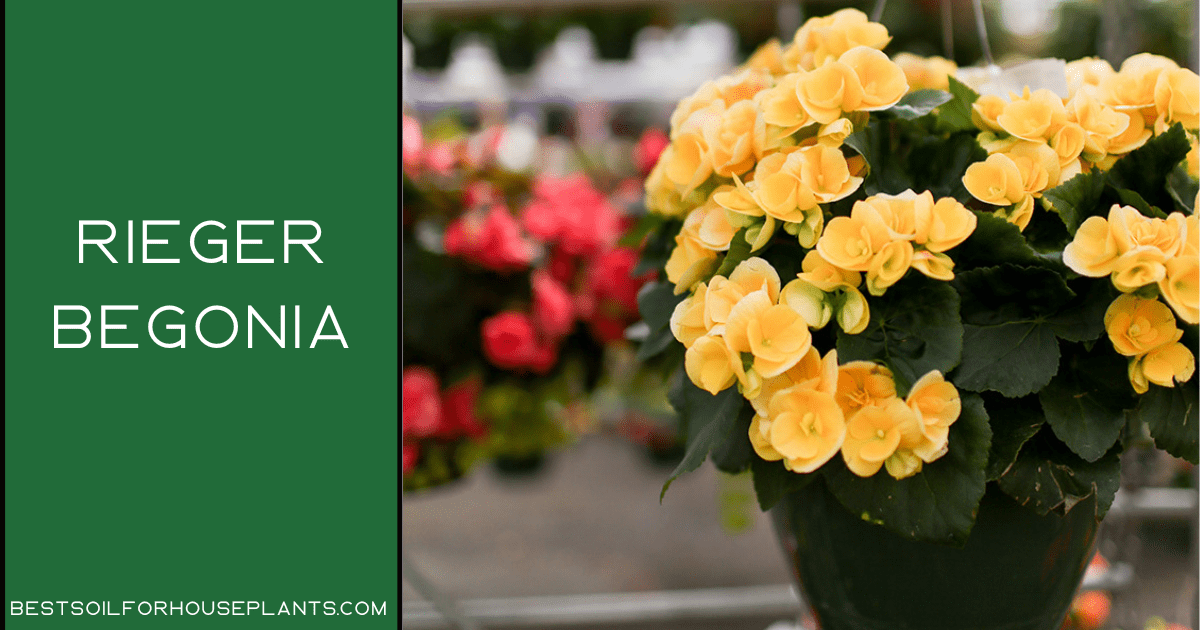
Suchen Sie nach farbenfrohen Blumen zur Dekoration Ihrer Fensterbänke im Flur oder in der Küche? Die Rieger-Begonie ist eine ausgezeichnete Wahl für blühende Zimmerpflanzen, die jeden Raum mit atemberaubenden Blüten verschönern.
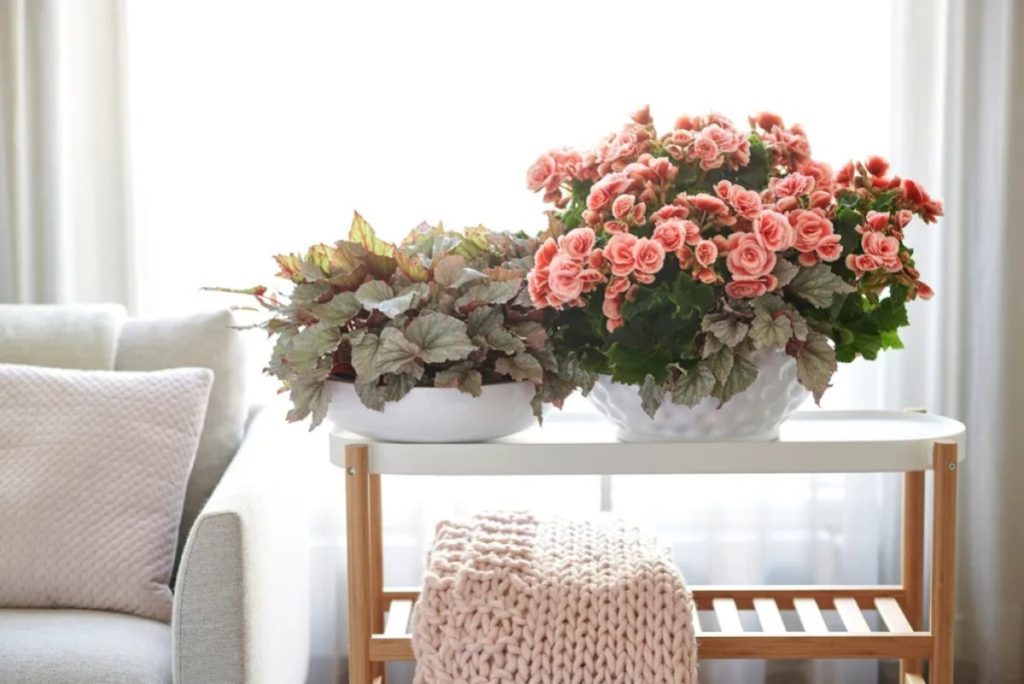
Rieger-Begonien (Begonia x hiemalis) sind beliebte Zimmerpflanzen mit prächtigen, auffälligen Blüten in Rosa, Rot, Creme und Weiß. Diese Sorte ist eine Kreuzung aus faserigen Wachs- und Knollenbegonien. Die richtige Pflege ist für eine langanhaltende Blüte und ein gesundes Wachstum unerlässlich.
Ob Sie sie nun Rieger-Begonie, Elatior-Begonie oder Begonie Socotrana nennen – dieser Ratgeber enthält alles Wissenswerte über Anbau und Pflege dieser wunderschönen Blühpflanze. Erfahren Sie alle Pflegehinweise, damit Ihre Begonie das ganze Jahr über prächtig gedeiht.
Rieger-Begonie: Merkmale und Aussehen
Diese blühende Begonie (Begonie x hiemalis) hat eine kompakte, kugelförmige Wuchsform mit fleischigen Trieben, die 30–35 cm hoch werden. Rieger-Begonien blühen bis zum ersten Frost und sind gut trockenheitsverträglich. Sie bilden zahlreiche Einzelblüten mit einem Durchmesser von 2–3 cm in wunderschönen Rosa- und Rottönen.
Neben ihren bezaubernden Blüten besticht die Rieger-Begonie durch ihre dekorativen Blätter mit glänzender Oberfläche. Einige Sorten weisen auf der Unterseite rote oder violette Blätter auf. Die leuchtend scharlachrote Hiemalis-Begonie blüht typischerweise in den Wintermonaten. Bei richtiger Pflege kann diese saisonale Begonie viele Jahre lang prächtig gedeihen.
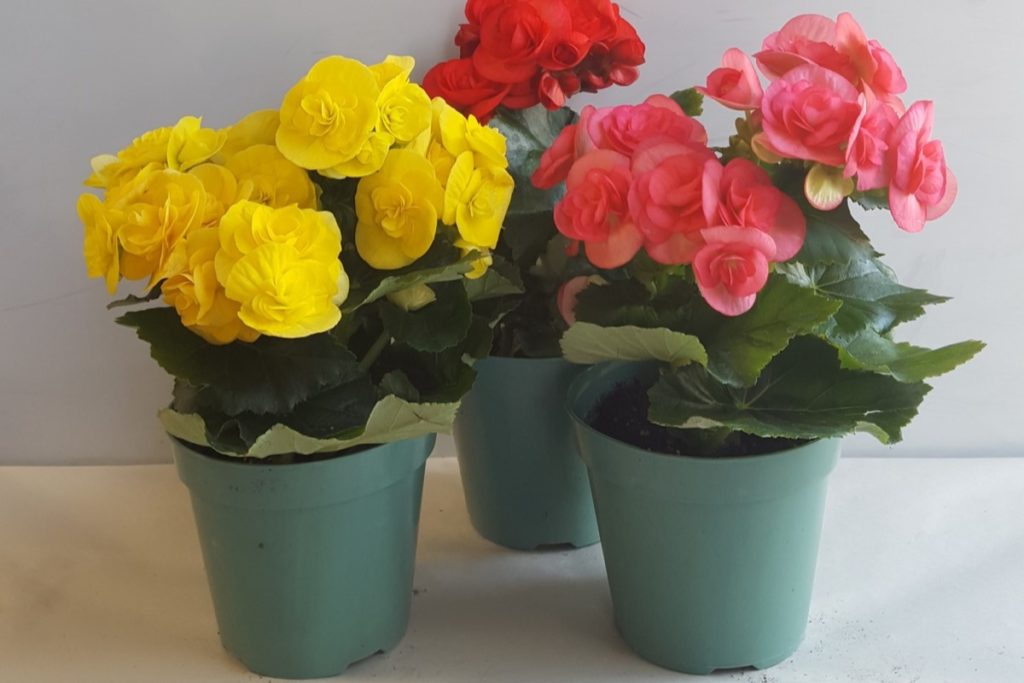
Wie Sie gesunde Rieger-Begonien für Ihr Zuhause auswählen
Knollenbegonien finden Sie in Gartencentern oder online. Betrachten Sie die Fotos genau und wählen Sie Sorten, die zu Ihrer Raumgestaltung und Ihren Farbvorlieben passen. Achten Sie für optimale Ergebnisse auf Pflanzen mit gesundem Laub, vielen Knospen und ohne Anzeichen von Schädlingsbefall.
Vollständiger Anbauleitfaden für Rieger-Begonien
Die Anzucht von Rieger-Begonien zu Hause beginnt mit der Auswahl geeigneter Gefäße und einer hochwertigen Erdmischung. Verwenden Sie flache Anzuchtgefäße, -schalen oder -boxen mit Abflusslöchern für Begonien-Setzlinge. Das Gefäß sollte kompakt sein, um die Pflege zu vereinfachen und das Umpflanzen zu erleichtern.
Anzucht von Rieger-Begonien in Torfquelltöpfen
Eine weitere effektive Methode zur Anzucht von Rieger-Begonien-Sämlingen ist die Verwendung von Torfquelltöpfen. Torfquelltöpfe vereinfachen die Pflege von Begonien erheblich und reduzieren den Umpflanzschock. Beachten Sie, dass die Erde in den Torfquelltöpfen schneller austrocknet, weshalb die Luftfeuchtigkeit ständig kontrolliert werden muss. Halten Sie die Feuchtigkeit konstant, um optimale Keimung und Wachstum zu gewährleisten.
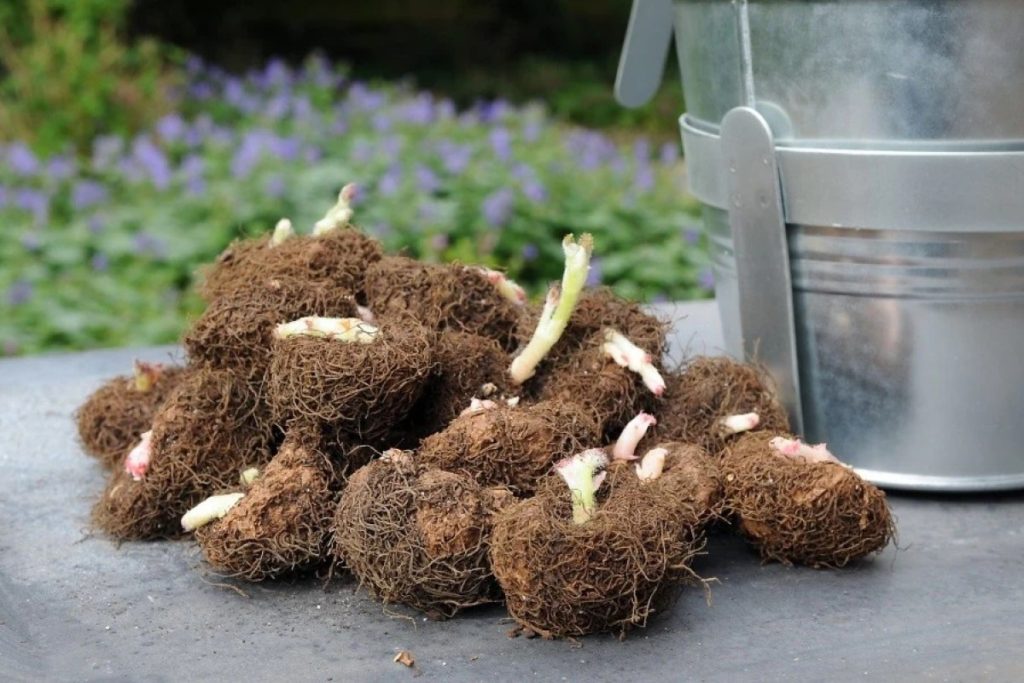
Rieger-Begonien vermehren sich über Samen und Knollen. Zur Knollenvermehrung werden die Knollen mit der gewölbten Seite nach oben in feuchtes Substrat gepflanzt. Die Keimung der Knollen erfolgt von Februar bis April bei Zimmertemperatur und mäßiger Bewässerung. Staunässe ist zu vermeiden, gleichzeitig sollte die Erde nicht vollständig austrocknen.
Die Anzucht von Rieger-Begonien aus Samen erfordert Geduld und die richtige Technik. Begoniensamen sind extrem klein und ähneln Staubpartikeln. Mit diesen bewährten Methoden gelingt eine gleichmäßige Samenverteilung und eine erfolgreiche Keimung:
- Verteilen Sie die Begoniensamen gleichmäßig auf der Erdoberfläche, ohne sie mit Substrat zu bedecken. Manche Gärtner säen sie direkt auf den Schnee, der auf der Erde liegt, und lassen die Samen beim Schmelzen des Schnees absinken.
- Die Samen vorsichtig mit Wasser besprühen und den Behälter mit Glas oder Plastikfolie abdecken. Die Abdeckung einige Tage nach Beginn der Keimung entfernen.
- Stellen Sie die Begonien-Samenbehälter an einen warmen Ort bei 23-25 °C. Sobald die Sämlinge keimen, benötigen sie täglich 12 Stunden indirektes Sonnenlicht.
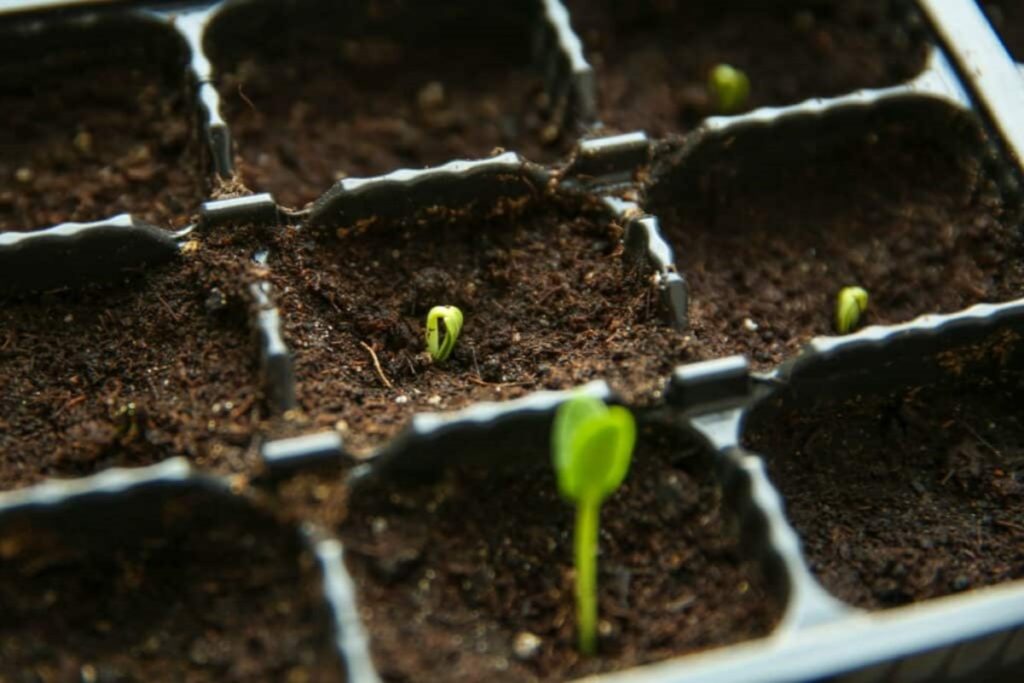
Für beste Ergebnisse säen Sie Rieger-Begoniensamen im Januar/Februar aus. Pillierte Samen sind einfacher zu handhaben und besonders für Anfänger empfehlenswert. Diese umhüllten Samen ermöglichen ein präzises Auslegen, insbesondere in Torftabletten. Torftabletten verhindern das Ausreißen der Samen und schützen so das empfindliche Wurzelsystem.
Befolgen Sie diese Schritte zum Aussäen von Rieger-Begoniensamen in Torfquelltöpfen:
- Legen Sie die Torftabletten in die Wasserschale, damit sie die Feuchtigkeit vollständig aufnehmen und aufquellen können.
- Legen Sie in die Mitte jeder Tablette einen pelletierten Begoniensamen und besprühen Sie diese anschließend mit lauwarmem Wasser.
- Decken Sie die Tabletten mit durchsichtigem Glas oder Kunststoff ab, um eine optimale Luftfeuchtigkeit zu gewährleisten.
- Wassertorftabletten von unten durch die Auffangschale einfüllen.
Wichtige Pflegehinweise für Begonien-Sämlinge
Vor der Keimung sollten Begonien-Sämlinge gepflegt werden. Dazu gehört, die Bodenfeuchtigkeit durch regelmäßiges Besprühen zu überwachen und eine angenehme Raumtemperatur zu gewährleisten. Die Sämlinge sollten allmählich abgehärtet werden, bevor die Schutzhülle vollständig entfernt wird. Beginnen Sie mit 25-minütigen Belüftungsphasen und verlängern Sie diese langsam.
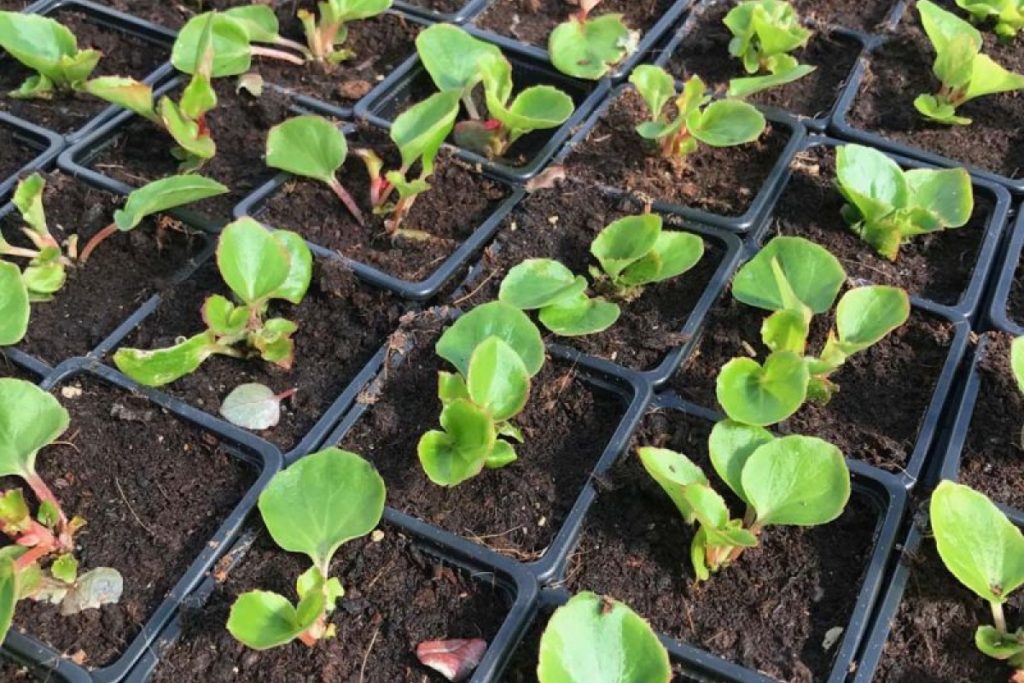
Nachdem die Schutzabdeckung entfernt wurde, stellen Sie die Begonien-Töpfe an einen hellen Standort und senken Sie die Temperatur auf 16 °C. Diese Abhärtungsmaßnahme stärkt die Sämlinge und beugt Pilzkrankheiten vor. In diesem frühen Wachstumsstadium ist eine Düngung nicht erforderlich.
Umpflanzen und Pflücken von Begonien-Sämlingen
Die Pflege von Zimmerbegonien erfordert ein fachgerechtes Umpflanzen, wenn die Samen nicht in Torftabletten ausgesät wurden. Beachten Sie diesen Ernteplan für eine gesunde Entwicklung Ihrer Begonien:
- Die erste Ernte erfolgt, sobald die Sämlinge zwei echte Blätter haben. Verwenden Sie dasselbe Substrat wie bei der Erstaussaat in einem etwas größeren Topf und pflanzen Sie die Sämlinge im Abstand von 3 x 3 cm.
- Die zweite Ernte erfolgt 30 Tage nach dem ersten Umpflanzen. Dem Substrat Humus beimischen und die Pflanzen im Abstand von 6 x 6 cm setzen. 14 Tage nach dem Umpflanzen einen ausgewogenen Dünger ausbringen.
- Beim endgültigen Umpflanzen werden die Begonien in einzelne Töpfe gesetzt. Für Freilandbeete sollte man warten, bis keine Frostgefahr mehr besteht, um Pflanzenschäden zu vermeiden.
Richtiger Bewässerungs- und Düngeplan für Begonien-Sämlinge
Die Pflege von Begonien zu Hause umfasst die richtige Bewässerung und Düngung. Begonien-Sämlinge sind mit regelmäßiger Aufmerksamkeit unkompliziert. Die Erde sollte nie vollständig austrocknen; gießen Sie, sobald die Oberfläche des Substrats trocken wird. Vermeiden Sie Staunässe bei jungen Begonien, da schwache Wurzeln leicht faulen.
Beim Düngen von Begonien sollte die auf der Packung empfohlene Menge halbiert werden, um die jungen Wurzeln zu schützen. Verwenden Sie einen ausgewogenen, wasserlöslichen Dünger, der für die Sämlinge ausreichend verdünnt wird, um ein gesundes Wachstum zu gewährleisten, ohne die zarten Wurzeln zu schädigen.
Den richtigen Container für Rieger-Begonien auswählen
Begonien gedeihen am besten in Hängeampeln oder Standardtöpfen mit ausreichend Abzugslöchern. Viele Gärtner bevorzugen Plastiktöpfe für Begonien, allerdings muss die Feuchtigkeit aufgrund der langsameren Verdunstung genauer kontrolliert werden. Blühende Zierbegonien benötigen ähnliche Bedingungen wie Zierbegonien mit feinem Laub, wobei gefiltertes, diffuses Licht, insbesondere während der Blütezeit, bevorzugt wird.
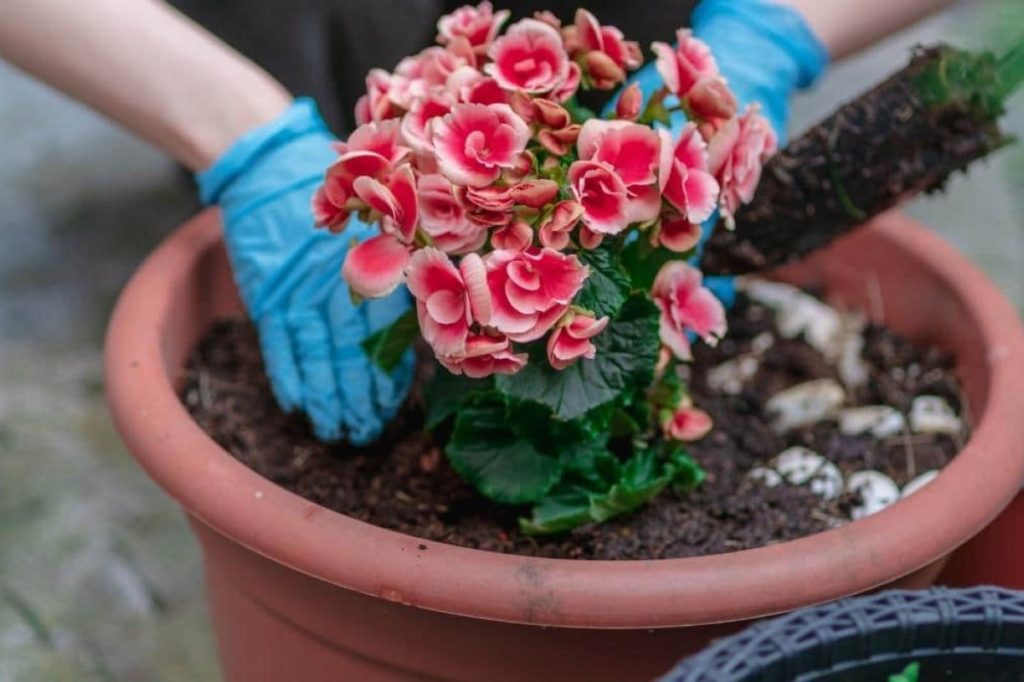
Für die Pflanzung von Rieger-Begonien eignet sich lockere, faserige Blumenerde. Die ideale Erdmischung besteht aus Heidekrauterde, Gartenerde und 10 % verrottetem Mist. Wählen Sie für Begonien kompakte Töpfe mit 14 cm Durchmesser, da diese ein eher kleines Wurzelsystem haben. Zu große Töpfe erhöhen das Risiko von Wurzelfäule und Bodenversauerung.
Blühende Begonien sollten jährlich in frische Blumenerde umgepflanzt werden, entweder direkt nach der Blüte oder vor dem Austrieb im Frühjahr (Februar/März). Tontöpfe eignen sich optimal für Begonien, da sie überschüssige Feuchtigkeit aufnehmen und eine gute Drainage gewährleisten.
Vollständige Pflegeanleitung für Rieger-Begonien für prächtig gedeihende Pflanzen
Die Begoniensorte Rieger ist pflegeleicht und daher ideal für Gartenanfänger. Mit der richtigen Bewässerung und den passenden Lichtverhältnissen erfreuen Sie sich an einer wunderschönen, langanhaltenden Blüte. Beachten Sie die folgenden detaillierten Pflegehinweise.
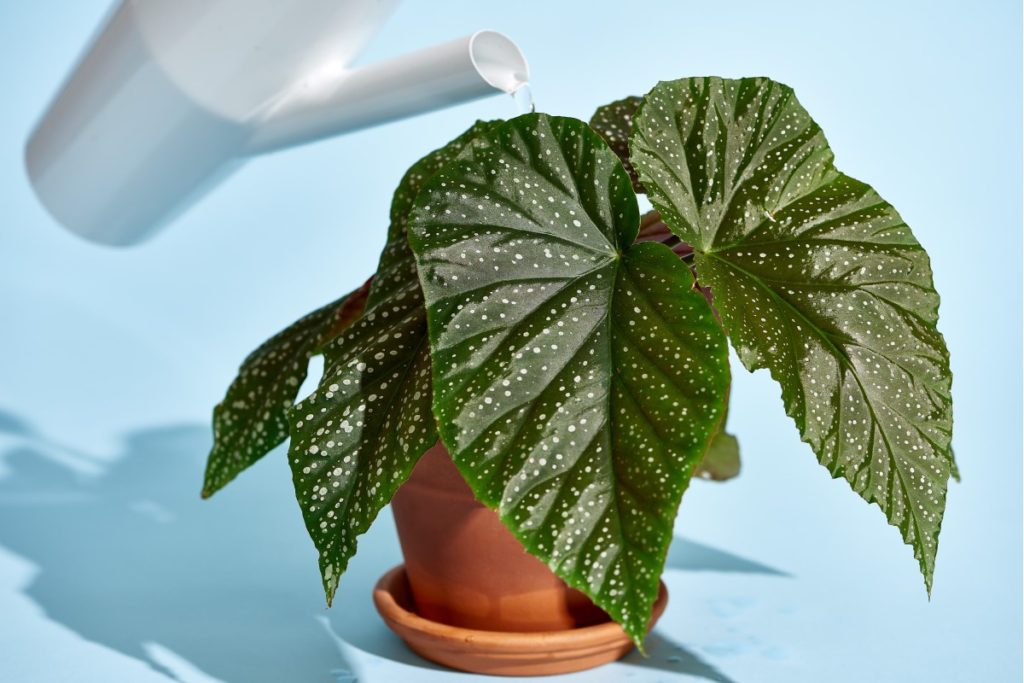
- Bodenansprüche: Für die Pflege von Rieger-Begonien ist gut durchlässige Blumenerde unerlässlich. Mischen Sie herkömmliche Blumenerde mit 50 % Torfmoos, um die Wasseraufnahme zu verbessern und den pH-Wert auszugleichen. Diese Mischung beugt Wurzelfäule durch Staunässe vor.
- Temperaturanforderungen: Die optimale Wachstumstemperatur für Begonien liegt zwischen 16 und 21 °C. In der Ruhephase benötigen sie 16 bis 18 °C, während blühende Pflanzen mindestens 20 °C benötigen. Temperaturen über 21 °C verkürzen die Blütezeit und führen zu spärlichem, langem Wuchs.
- Begonien gießen: Prüfen Sie die Bodenfeuchtigkeit, indem Sie einen Holzstab in die Blumenerde stecken. Ist die Erde feucht, warten Sie mit dem Gießen und prüfen Sie die Feuchtigkeit nach einigen Tagen erneut. Im Winter sollten Begonien seltener gegossen werden, da die Verdunstung deutlich abnimmt.
- Lichtbedarf für Rieger-Begonien: Rieger-Begonien gedeihen im Halbschatten oder bei hellem, indirektem Licht. In den Wintermonaten sollten die Pflanzen in der Nähe von Fenstern mit Vorhängen platziert werden, um gefiltertes Sonnenlicht ohne direkte Sonneneinstrahlung zu erhalten.
- Düngung für Begonien: Düngen Sie Begonien während der Wachstumsphasen im Frühjahr und Herbst. Geben Sie während der Wachstumsperiode alle zwei Wochen einen phosphorreichen Dünger, um die Pflanzen zu stärken und ein üppiges Wachstum zu fördern.
Read more: How to repot your houseplants